
• Skip to primary navigation
  • Skip to main content
  • Skip to primary sidebar
Kenya Information Guide

FamousKenya

Kenya Information Guide

  • Home
  • About Kenya
    • Tribes
  • Famous People
  • Travel
    • Tourist Attractions in Kenya
    • Towns
    • Hotels
  • Contact Us

Ololua Forest Trail

February 4, 2025 by

A Guide To Oloolua Forest Trail

Ololua Forest Trail nature trail is managed by National Museums of Kenya. This unique eco-system is one of the few existing and well preserved indigenous forests. Besides its research activities, the trail boasts of a tranquil atmosphere suitable for picnicking, family day out, walk in the forest, camping and even honeymoons.
This trip has been a long time coming, originally I had planned to go out of town but that will have to wait.
I’m off to the Nairobi suburb of Karen where I get to visit a hidden gem– the Oloolua nature trail. The nature trail is part of the indigenous Oloolua forest that is also home to the Institute of Primate Research (IPR). The institute is run by the National Museums of Kenya which established the Oloolua Nature Trail in part of the forest, providing a refreshing environment away from the city’s hustle and bustle.
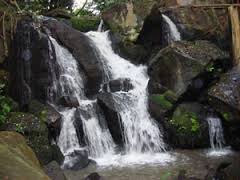
Oloolua Forest Trail

Once you get to the entrance it is not too much of a walk before you get to the nature trail.
Our first stop was the water falls. There is a proper path with steps that lead to the falls but we took the difficult way down which was rather steep because we heard the falls before we got to the path and assumed that it is the only way down.

Oloolua Forest Trail Contacts

Attraction Type: Scenery & Landscapes, Wildlife
Category: Forest, Wildlife Conservancy
Region: South Rift
City / Town: Nairobi
Road / Street: Karen Road
Telephone: 254 716 256771
254 724 338292
Entrance Fee: Yes

Ololua Forest Trail

More About Kenya

Kenya is a world unto itself. Kenya is Africa’s original safari destination, attracting explorers, adventurers, and travelers for centuries. A safari to Kenya is a trip of a lifetime.

Tourist Attractions in Kenya:

Kenya has one of the world’s greatest tourist attractions sites, known for its diversity of landscape, wildlife, and cultures. From sweeping savannahs to tropical beaches and coral reef, dense equatorial forests to mighty snow-capped mountains, and more.

For more information visit: Tourists Attractions in Kenya

Kenya Safari

Kenya is the ultimate safari destination, providing travelers with a window into the heart of Africa. But this is not all that Kenya has to offer. Located near the equator, Kenya´s magic lies in the fact that the country encompasses an astounding variety of landscapes and climates, flora and fauna, as well as communities and cultures, home to water sports, a swim with dolphins and adventure.

For more information visit: Kenya Safari

Hotels and Accommodation in Kenya

Hotels in Kenya vary enormously in price and facilities. Luxury hotels in Kenya offer excellent standards of service and are comparable to the best hotels anywhere in the world. Kenya’s abundance of natural produce, combined with the rich variety of cultures and traditions, has created a great culinary nation.

The fertile volcanic soil of the Rift Valley produces a bounty of fresh vegetables, while the coast is a great source of tropical fruit and fresh seafood. The Kenyan coast is also the home of the world-renowned Swahili cuisine, a blend of Middle Eastern and African cooking with a particular coastal twist.

For more information visit: Hotels in Kenya

Towns in Kenya

Apart from the towns of Nairobi , Mombasa, Kisumu and Nakuru, Kenya has other major towns each a unique representation of the country’s striking abundance in flora and fauna. Most of these towns are headquarters in their respective counties or major economic bases in their regions. Luxury hotels and lodges located here provide good accommodation and conferencing facilities for guests who dare to try out a taste different from the capital or the coast.

For more information visit: Towns in Kenya

The Kenyan People Culture and Tradition

Kenya’s culture blends together diverse tribes, traditions, and religions into one beautiful, well-woven tapestry.  These traditions complement each other while incorporating the modern influences of globalization – resulting in a vibrant cultural spirit that is uniquely Kenyan. Kenya has over 42 different tribes with different languages and several dialects. Kenyan tourism has made the Maasai and Samburu tribes the most famous because of their long preserved culture.

For more information visit: Kenya People and Tribes
Rhino Charge

February 4, 2025 by

A Guide To The Rhino Charge

Rhino Charge unique off-road car rally is held annually in June to raise money for the construction of a perimeter fence around the Aberdare National Park. This park is a sanctuary for the endangered Black Rhino and an important water catchment area providing water to the Tana and Athi rivers.
The Rhino Charge is an annual off-road motorsport competition held in Kenya in which entrants are be required to visit a number of points (Guard Posts) while travelling the shortest possible distance across difficult, trackless terrain, where speed is not a necessity. The event is organised in order to raise funds to support the activities of the Charitable Trust Rhino Ark.
The event was conceived in 1989 to raise funds for the construction of the Aberdare Electric Fence. Rhino Ark founder Ken Kuhle, Rally Enthusiasts Rob Combes[1] and Brian Haworth mooted the idea of an off-road motorsport event to support the fencing project carried out by the recently established Charitable Trust Rhino Ark. The Trust was committed to saving the dwindling Rhino population in the Aberdare National Park, as well as mitigating human-wildlife conflicts around the National Park. On 4 February 1989, 31 competing vehicles entered the first event which was won by Travers Allison in a Suzuki jeep. Whilst the first Rhino Charge raised only KES 250,000, this amount increased tremendously over the years to reach over KES 90 million in the 2013 event

Vision, Mission and Values

Rhino Charge 1994 Model ‘A’ Ford – oldest ever vehicle in Rhino Charge
The vision of Rhino Charge is to mobilize the public to raise funds for Rhino Ark, the Kenyan conservation charity. For over 25 years Rhino Ark has been raising funds for the building and maintenance of an electrified fence that encircles nearly 400 km of the Aberdare ecosystem. The fence is a vital management tool for ensuring the ecosystem’s long-term integrity. In 2010 Rhino Ark announced a formal commitment to support conservation of other mountain forest ecosystems in Kenya, starting with Mount Kenya and Mount Mau Eburu. These new initiatives are undertaken in addition to the long term commitment to the Aberdares.
The mission of Rhino Charge is to organize an annual off-road motorsport competition that consistently meets the highest standards of excellence and does not adversely impact on the environment in which the events take place.
The values of Rhino Charge are Sportsmanship, Integrity and Commitment to Excellence.

Rhino Charge
Rhino Charge

Rhino Charge History

Rhino Charge 1998 Phil Tilley and Crew wait anxiously for the start
The Rhino Charge was conceived in Nairobi, Kenya when Rhino Ark founder Ken Kuhle asked Rally Enthusiast Rob Coombes whether he would organise a motorsport event to help raise funds for the Rhino Ark Charitable Trust that he had recently formed.[2] The trust was committed to saving the dwindling Rhino population in the Aberdare National Park.
The concept discussed was to hold an offroading competition whereby the winner would drive a vehicle to the highest altitude on Mount Kenya. Rob then discussed the idea with Brian Haworth who was enthusiastic and agreed to join Rob in organising it. Presentations to Kenya Wildlife Service quickly determined that the permission to hold the event on Mount Kenya would not be granted and the concept went back to the drawing board. Some years prior to this, Brian had recced a route around Mount Longonot for an off road event at the request of Derek Gates (Safari Rally organiser). It never took place as they decided to hold a mini event at Hell’s Gate National Park instead. Brian’s concept was to use distance, rather than speed as the deciding factor, this was to prove the basis for what would become the Rhino Charge.
Based on this experience and after much discussion, Rob and Brian decided to attempt an event to drive over Mount Suswa in the Rift Valley. Two controls would be sited on either side of the Volcano and whoever did it in the shortest distance would be the winner. One Sunday morning in early 1989 the two set off, with motor bikes, headed for the southern slopes of Mount Suswa. After an exhausting day mostly “carrying” the bikes, and still only half way up Suswa they had to head back to base, the idea wasn’t going to work! They sat looking across the Suswa plains with Lake Magadi in the distance, several small hills and large luggas in the foreground. Why not put a control on the top of each hill and one at the bottom of the escarpment? The competitors would have to find their way across the luggas to get to the hills! The following weekend, prepared with camping gear, motor bikes and their families, they spent two days driving and riding around the area setting out what eventually became the venue for the first ever Rhino Charge. The rest, as they say is history…
31 competing vehicles entered 4 February 1989 event won by Travers Allison in a Suzuki Jeep. Distance was measured with the vehicle’s standard odometer. These pioneers probably had no idea of the huge interest this small event would attract in the years to come.
At the core of the Rhino Charge is a highly dedicated group of individuals that comprise the Rhino Charge Committee. Over 25 years later, many of the original committee members are still deeply involved in the Charge.
Rob and Ken are no longer with us, while Brian is still assisting the preparation of the Rhino Charge in many ways. Their legacy is a concept that has developed into the toughest offroad event on the continent and possibly anywhere. It has gained international acclaim and attracts entries from all over the world. The Kudos of winning the Rhino Charge is highly coveted in Kenya and elsewhere. Few Kenyans are not touched by the event in some way, whether taking part, being involved in the organisation, or digging into their pockets for sponsorship. By April every year, the Rhino Charge Fever hits Kenya. Wherever you go, cars are being prepared in garages, tested on and off the road. Shops are full of camping equipment, and the words “where are we going this time?” are heard everywhere. Then, on the Madaraka Day weekend, the exodus begins, and thousands of enthusiasts head for the hills for another Rhino Charge.

Rhino Charge The Competition

Rhino Charge 2006 spectator numbers are getting bigger every year
The Rhino Charge is a one-day off-road event during which a maximum of 65 competitors are required to visit 13 control points scattered over approximately 100 square kilometres of rough terrain within a 10 hours period. Supplied with a 1:50,000 scale map of the venue and the GPS coordinates of the 13 control points, each competing team decides the route they want to follow. The winner is the competitor who finishes at the control point where he started having visited all the other control points in the shortest distance (GPS measured).
The Charge is a unique and exciting competition that requires bravery and a high level of skill in off-road driving and navigation. To prevent adverse environmental impacts, entries to the event are limited to 65 vehicles.[3] The popularity of the Charge is such that the organisers have introduced a preferential entry strategy favouring high value fund raisers because would be entrants far exceed available places in the even

Rhino Charge How It Works

Event Organisation

The Rhino Charge is organised by a committee of professional volunteers from various disciplines. Each member of this dedicated team offers his or her time, expertise and resources to ensure that the event is run successfully and to the highest standards. The event is held in a different location each year in some of the most remote and wild areas of Kenya. The preparation requires the search for a suitable venue followed by the negotiations with the resident local community and the actual event organisation. Each competition venue is designed with full participation of local community representatives and is sensitive to local considerations. This process takes many months in which the Rhino Charge Committee volunteers their time and commitment to go on Rhino Charge recces in their free time to organise the next event.
The event, supported by event sponsors, guard post sponsors and raffle sponsors takes place at the end of May/beginning of June each year around the Kenyan public holiday Madaraka Day and is open to all, subject to the Rules and Regulations stipulated by the organising Committee. The Committee keeps the event location secret until the day of the event. The secrecy of the location prevents people from being tempted to look at the site ahead of time. A map of the past Rhino Charge venues can be downloaded here (Courtesy of Microsoft Encarta).
The event is organised with the approval of the County Government, local District Commissioner, the Kenya Wildlife Service, the Governing Body of Motorsport in Kenya and the land owner(s) / host community.

Rhino Charge

Fundraising For Conservation

The Rhino Charge is an annual off-road 4×4 competition held in Kenya in which entrants are required to visit 13 points (Guard Posts) while travelling the shortest possible distance across difficult, trackless terrain, where speed is not a necessity. The event is organised in order to raise funds to support the activities of the Charitable Trust Rhino Ark.
The event was conceived in 1989 to raise funds for the construction of the Aberdare Electric Fence. Rhino Ark founder Ken Kuhle, Rally Enthusiasts Rob Combes and Brian Haworth mooted the idea of an off-road 4×4 event to support the fencing project carried out by the then recently established Charitable Trust, Rhino Ark. The Trust was committed to saving the dwindling Rhino population in the Aberdare National Park, as well as mitigating human-wildlife conflicts around the National Park. On 4 February 1989, 31 competing vehicles entered the first event which was won by Travers Allison in a Suzuki jeep. Whilst the first Rhino Charge raised only KES 250,000, this amount increased tremendously over the years to reach KES 139 million in the 2016 event.
Till today, the Rhino Charge continues to raise funds for the Rhino Ark Charitable Trust. The Rhino Ark projects, which are supported by the funds raised from the Rhino Charge, are multifaceted and are embedded in the overall philosophy HUMANS IN HARMONY WITH HABITAT AND WILDLIFE.

Environmental Impact

As a conservation organisation, Rhino Ark is deeply sensitive to minimising any environmental impacts that could derive from its operations. This extends to the Rhino Charge, Rhino Ark’s main fund raising event to support the conservation of Kenya’s ‘water towers’. The Rhino Charge always has and always will take great care to minimise and monitor its footprint. Together with Stanbic, who have enabled independent Environmental Impact Assessments at Rhino Charge venues, it is ensured that the monitoring is comprehensive and scientifically precise. This double check, conducted to exacting standards, is welcomed by the organisers, participants and sponsors alike, not only as an assurance that the Rhino Charge does no harm but also as an insurance that any negative impact which might arise in future can be rapidly identified and remedied.
Mitigating the impact of the competition cars
The format of the Rhino Charge was developed towards minimising the impact of the competition cars on the environment:
To prevent significant impacts the duration of the competition is limited to 10 hours and only 65 competition cars can participate in the event;
To avoid cumulative impacts from consecutive events, the Rhino Charge is organised each year in a different location.
In 2008 Rhino Ark commissioned an environmental and social impact audit of representative samples of venues where the Rhino Charge event has been held. The venues assessed were Tassia Ranch (Mukogodo Division, Laikipia), Swuari Lagha (Wamba Division, Samburu), Ol Kinyei Group Ranch (Mara Division, Narok), and Lorongoswa Group Ranch (Kajiado). The audit was carried out by African Conservation Centre. The audit found that there were minimal impacts on the sites arising from Rhino Charge activities. Recommendations arising from the audit were incorporated into subsequent event venues and course designs.
Recycling the waste generated on the venue
One of the main environmental challenges of organising an event with close to 3,500 participants and spectators in the most remote wilderness areas of Kenya is the management of waste. Keeping with Rhino Ark’s conservation mission, the Rhino Charge Committee is committed to leaving each venue as it was found. To this end, stringent rules have been set by the Committee to ensure that no waste is left in the entire Rhino Charge venue. This includes a fine system that is strictly implemented to address wastes by competitors. In addition, with the support of key sponsors, wastes are collected across the venue, including in the Spectator Camp and at the Gauntlet. To promote waste recycling, a Waste Sorting Station is set up at the venue. Glass, cans and tins, plastic bottles, among others, are separated and brought back to Nairobi for recycling. In the 2013 event, almost 50 cubic metres of waste were properly sorted and removed from the venue for recycling.
Finally, comprehensive post event reviews of each event site are undertaken in collaboration with the local communities. The organisers aims at leaving each venue as it was found.

Entry Requirements

In the interests of ecological conservation and due to the nature of the ground to be covered, the organisers limit the number of entries to 65 cars. Entries are accepted on a strict policy of “First Come – First Served” within the following categories until the maximum is reached:
Before 1 July of each year: All entries from the previous Rhino Charge who raised in excess of KES 2 million shillings are offered automatic entry and need to confirm their entry in the next event before the 1st July.
Between 1 July and 31 July: Entrants pledging a minimum of KES 1.5 million.
Between 1 August and 30 August: Entrants pledging a minimum of KES 1.25 million.
Between 1 September and 30 September: Entrants pledging a minimum of KES 1 million.
From 1 October onwards: Entrants pledging a minimum of KES 750,000.
Any Entrants who have entered in categories 1 – 5 as listed above, who fail to reach their pledged sponsorship, may be prevented from starting, and may also be refused entry to future events.
The detailed entry requirements can be found in the event’s rules & regulations, which can be found in the Downloads section.

Raffle

The Rhino Charge Raffle was introduced in 2002 as a tool to assist Rhino Charge competing teams with fundraising and to thank car sponsors for their support. The Raffle offers every donation of KES 2,000 a chance to win a prize, which is a key motivation for the public to support competing cars. Each competing team is issued with enough raffle tickets to cover their initial pledge to the Rhino Charge, and if they raise more money, they are entitled to the equivalent number of raffle tickets more. Every car sponsor is entitled to one ticket per KES 2,000 of sponsorship and it is the responsibility of the entrant who receives the sponsorship to issue the correct number of raffle tickets to his sponsor. The competing team entrants are also responsible for the collection of raffle prizes and handing them over to the winning sponsor.
The Raffle is organised by a Raffle Committee that voluntarily works towards securing prizes from over 100 generous raffle sponsors.
If you are interested in donating a Raffle prize please contact raffle@rhinocharge.co.ke

Sponsors

The numerous sponsors of the Rhino Charge provide generous support towards the event. Each donation is invaluable to the running of the event.
At the Rhino Charge, we speak of 4 different sponsor categories:
1. Service sponsors, those who directly support the operations of the event
2. Guard post sponsors, those who sponsor the 13 guard posts through which each competing car has to go in order to win the event
3. Raffle sponsors (for more information please see separate point on this map)
4. Car sponsors.
As there are countless sponsors who support the 65 competing teams, please visit the competitor page on our website and click on the team profiles to learn more about the individual car sponsors.
To learn more about our sponsors, please visit the sponsor page on our website

Community Support

The Rhino Charge is held in a different location each year and is organised in very close cooperation with the respective host community. Once a venue is identified by the Rhino Charge organisers (Course Design Subcommittee) and the host community has agreed to host the Rhino Charge on their land, the members of the host community form a local organising committee. This committee is made up of representatives of the Rhino Charge host community, with whom we work together very closely for the duration of the Rhino Charge preparations (6-8 months). This cooperation allows for an understanding and consideration of local circumstances, which are all part of the preparations and the organisation process. Without the local organising committee, no Rhino Charge would be possible, as it is their knowledge and support that allows us to hold a successful event, year after year.
During the preparations of each Rhino Charge the event organisers hire local workers to assist in setting up the venue infrastructure, hence provide income generating activities. This gives the host community a tremendous boost, as jobs and income generating activities are scarce in the remote areas in which the Rhino Charge takes place.
Furthermore, the Rhino Charge organisers have implemented the Vehicle Pass, known as the Landowner Access Fee (LAF) to benefit the local host communities. The money raised through this fee goes directly to the community. The money is then used for community projects, such as the construction of school classrooms or the installation of boreholes.
The names and pictures of the local organising committee will be published in the About section of the website on the day the Rhino Charge venue opens its doors for the public.

Rhino Charge Accommodation

The following camp operators are the accredited camp operators for this years Rhino Charge: These accredited camp operators have gone through a tendering process and were selected as the Rhino Charge accredited camp operators out of all the applications which were received within the given deadline.
Please note that SELF-CAMPERS must also register and book their accommodation (Bunduz Self-Camping options) via the Rhino Charge ticketing portal. The self-camping options include communal showers, toilets, security and garbage collection.
All options listed above are rates per person, full board (excluding self-camping option), for a 2 night package. The accommodation rates are payable as follows:
0 – 5 years = free of charge
6 – 11 years = pay 75% of adult price
12 years and above = pay full price
Services included for the self-camping option are toilet (1 per 5 people) and shower facilities (1 per 5 people), garbage collection and communal security. For more information on the full board accommodation packages, please download the camp operator’s flyers by clicking below:
Bunduz – Budget Option
Bunduz – Economy Option
Tarpo – Luxury Option
Any cancellations or refunds are done directly through the camp operator of your choice and yourself with the following refund policy applying to ALL accommodation bookings;
100% refund if booking cancelled before or on the 31st March 2017;
75% refund if booking cancelled on or after 1st April but before or on 15th April 2017;
50% refund if booking cancelled on or after 16th April but before or on 30th April 2017;
25% refund if booking cancelled on or after 1st May but before or on 15th May 2017;
No refund if booking cancelled on or after 16th May 2017.

Rhino Charge Contacts

Attraction Type: Special Interest
Category: Special Event
Region: Mt. Kenya
City / Town: Isiolo
Telephone: 254 733 632460
254 20 213 6011
254 724 604233
Email: info@rhinocharge.co.ke
Website: http://www.rhinocharge.co.ke/
Entrance Fee: Yes

More About Kenya

Kenya is a world unto itself. Kenya is Africa’s original safari destination, attracting explorers, adventurers, and travelers for centuries. A safari to Kenya is a trip of a lifetime.

Tourist Attractions in Kenya:

Kenya has one of the world’s greatest tourist attractions sites, known for its diversity of landscape, wildlife, and cultures. From sweeping savannahs to tropical beaches and coral reef, dense equatorial forests to mighty snow-capped mountains, and more.

For more information visit: Tourists Attractions in Kenya

Kenya Safari

Kenya is the ultimate safari destination, providing travelers with a window into the heart of Africa. But this is not all that Kenya has to offer. Located near the equator, Kenya´s magic lies in the fact that the country encompasses an astounding variety of landscapes and climates, flora and fauna, as well as communities and cultures, home to water sports, a swim with dolphins and adventure.

For more information visit: Kenya Safari

Hotels and Accommodation in Kenya

Hotels in Kenya vary enormously in price and facilities. Luxury hotels in Kenya offer excellent standards of service and are comparable to the best hotels anywhere in the world. Kenya’s abundance of natural produce, combined with the rich variety of cultures and traditions, has created a great culinary nation.

The fertile volcanic soil of the Rift Valley produces a bounty of fresh vegetables, while the coast is a great source of tropical fruit and fresh seafood. The Kenyan coast is also the home of the world-renowned Swahili cuisine, a blend of Middle Eastern and African cooking with a particular coastal twist.

For more information visit: Hotels in Kenya

Towns in Kenya

Apart from the towns of Nairobi , Mombasa, Kisumu and Nakuru, Kenya has other major towns each a unique representation of the country’s striking abundance in flora and fauna. Most of these towns are headquarters in their respective counties or major economic bases in their regions. Luxury hotels and lodges located here provide good accommodation and conferencing facilities for guests who dare to try out a taste different from the capital or the coast.

For more information visit: Towns in Kenya

The Kenyan People Culture and Tradition

Kenya’s culture blends together diverse tribes, traditions, and religions into one beautiful, well-woven tapestry.  These traditions complement each other while incorporating the modern influences of globalization – resulting in a vibrant cultural spirit that is uniquely Kenyan. Kenya has over 42 different tribes with different languages and several dialects. Kenyan tourism has made the Maasai and Samburu tribes the most famous because of their long preserved culture.

For more information visit: Kenya People and Tribes
Kamburu Dam

February 4, 2025 by

A Guied To Kamburu Dam

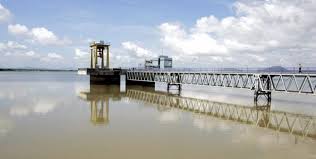
Kamburu Dam is the result of a man-made lake, with Tana river as its water source. It is one of the oldest dams in the country and hosts the 2nd major power station in independent Kenya after Kindaruma station. The also dam supports marine life for fish, hippos and crocodiles.
The Kamburu Dam is a rock-filled embankment dam on the Tana River in Kenya. The primary purpose of the dam is hydroelectric power generation and it supports a 93 MW power station. Construction on the dam began in 1971 and it was completed in 1975. The power station was commissioned the same year. US$23 million of the US$47 million project cost was provided by the World Bank. The power station is operated by Kenya Electricity Generating Company and is part of the Seven Forks Scheme.

Kamburu Dam
Kamburu Dam

The 52 m (171 ft) tall dam creates a reservoir with a storage capacity of 123,000,000 m3 (100,000 acre·ft). The power station is located underground just below the left toe and contains three 31 MW Francis turbine-generators. The difference in elevation between the reservoir and power station affords a net hydraulic head of 82 m (269 ft). Water discharged from the power station travels down a 3,040 m (9,970 ft) long tailrace tunnel before reaching the Tana at Gitaru Reservoir.

Kamburu Dam Location

The Kamburu plant site is about 16Okm from Nairobi and about 50km from Embu town. It straddles the border of Embu and Machakos Counties in Eastern Province.

A Map to Kamburu Dam

Kamburu power station

Kamburu power station is the second major power station in independent Kenya after Kindaruma. It was commissioned in 1974. It has three installed vertical turbines. The spillway has three radial gates and one flap gate.
Full feasibility studies were started in mid 19605 and they confirmed the viability of an upper reservoir for the Seven Forks cascade hydro-power complex with a potential of about 11 power plants namely Masinga, Kamburu, Gitaru, Kindaruma, Kiambere,Karura, Mutonga, Low Grand Falls, Usheni, Adamsons Falls and Kora.

Kamburu Dam Contacts

Attraction Type: Scenery & Landscapes
Category: Waterfalls
Region: Mt. Kenya
City / Town: Mwea
Road / Street: Embu Siakago Road
Telephone: 254 20 366 6000
Website: http://www.kengen.co.ke/index.php?page=business&su
Entrance Fee: No

More About Kenya

Kenya is a world unto itself. Kenya is Africa’s original safari destination, attracting explorers, adventurers, and travelers for centuries. A safari to Kenya is a trip of a lifetime.

Tourist Attractions in Kenya:

Kenya has one of the world’s greatest tourist attractions sites, known for its diversity of landscape, wildlife, and cultures. From sweeping savannahs to tropical beaches and coral reef, dense equatorial forests to mighty snow-capped mountains, and more.

For more information visit: Tourists Attractions in Kenya

Kenya Safari

Kenya is the ultimate safari destination, providing travelers with a window into the heart of Africa. But this is not all that Kenya has to offer. Located near the equator, Kenya´s magic lies in the fact that the country encompasses an astounding variety of landscapes and climates, flora and fauna, as well as communities and cultures, home to water sports, a swim with dolphins and adventure.

For more information visit: Kenya Safari

Hotels and Accommodation in Kenya

Hotels in Kenya vary enormously in price and facilities. Luxury hotels in Kenya offer excellent standards of service and are comparable to the best hotels anywhere in the world. Kenya’s abundance of natural produce, combined with the rich variety of cultures and traditions, has created a great culinary nation.

The fertile volcanic soil of the Rift Valley produces a bounty of fresh vegetables, while the coast is a great source of tropical fruit and fresh seafood. The Kenyan coast is also the home of the world-renowned Swahili cuisine, a blend of Middle Eastern and African cooking with a particular coastal twist.

For more information visit: Hotels in Kenya

Towns in Kenya

Apart from the towns of Nairobi , Mombasa, Kisumu and Nakuru, Kenya has other major towns each a unique representation of the country’s striking abundance in flora and fauna. Most of these towns are headquarters in their respective counties or major economic bases in their regions. Luxury hotels and lodges located here provide good accommodation and conferencing facilities for guests who dare to try out a taste different from the capital or the coast.

For more information visit: Towns in Kenya

The Kenyan People Culture and Tradition

Kenya’s culture blends together diverse tribes, traditions, and religions into one beautiful, well-woven tapestry.  These traditions complement each other while incorporating the modern influences of globalization – resulting in a vibrant cultural spirit that is uniquely Kenyan. Kenya has over 42 different tribes with different languages and several dialects. Kenyan tourism has made the Maasai and Samburu tribes the most famous because of their long preserved culture.

For more information visit: Kenya People and Tribes

Oserian Farms

February 4, 2025 by

A Guide To The Oserian Farms

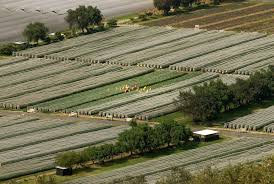
Oserian is a Maasai word meaning place of peace. Oserian Farms is hosted by the ancient gash in the earths surface called the Rift Valley. The rich soil around Naivasha where its located provides one of the reasons why this is to date, Kenyas largest horticultural farm.
Lake Naivasha is an astonishingly beautiful lake – “the best fresh water lake in the world for birds,” according to the late Roger Tory Peterson famed, American ornithologist – and the various people’s lives which interwove at a spot there named by the Maasai, Oserian meaning “Place of Peace”.
The possibilities yielded by this rich, fertile land brought about the birth of Oserian flowers. It begun as a family owned vegetable growing farm in 1969, with a 5 hectare production area and 6 employees. It gradually evolved into the first cut flower production farm in 1982, under the skillful hands of Hans Zwager, his wife, and son Peter.
Hans is a Dutchman from the Netherlands, who fought in WWII as a marine. He later became a bank employee, met his wife in Kenya and settled in Oserian, Lake Naivasha.
He established an agrochemical business wOserian Farmshich attracted major players in the field seeking to incorporate his company into their enterprise. This led him to sell the business to Bayer Ltd, being inspired to venture towards a more entrepreneurial direction with his son. They decided to evolve their Oserian farm, from the small, family vegetable farm that it was into the largest flower farm of its kind in Kenya, and after 30 years of hard work and dedication, they are still breaking new ground and revolutionising the industry.
Sharing the same passion and drive as his father, Peter Zwager took to the industry under his guidance, and as a family they have successfully moulded Oserian in size and technology, evolving to encompass eco-friendly systems and processes while increasing in productivity and quality.
As the flower growing industry in Kenya continued to flourish and develop beyond all expectations, Oserian was opening doors and they now stand at the forefront of the industry as a leading force and the largest multi – crop flower farm in Kenya.

Oserian Farms Contacts

Attraction Type: Special Interest
Category: Farm and Plantation
Region: South Rift
City / Town: Naivasha
Road / Street: Moi South Road
Telephone: 254 50 203 0210
254 727 534550
Website: http://www.oserian.com/aboutus.html
Entrance Fee: No
Oserian Farms

More About Kenya

Kenya is a world unto itself. Kenya is Africa’s original safari destination, attracting explorers, adventurers, and travelers for centuries. A safari to Kenya is a trip of a lifetime.

Tourist Attractions in Kenya:

Kenya has one of the world’s greatest tourist attractions sites, known for its diversity of landscape, wildlife, and cultures. From sweeping savannahs to tropical beaches and coral reef, dense equatorial forests to mighty snow-capped mountains, and more.

For more information visit: Tourists Attractions in Kenya

Kenya Safari

Kenya is the ultimate safari destination, providing travelers with a window into the heart of Africa. But this is not all that Kenya has to offer. Located near the equator, Kenya´s magic lies in the fact that the country encompasses an astounding variety of landscapes and climates, flora and fauna, as well as communities and cultures, home to water sports, a swim with dolphins and adventure.

For more information visit: Kenya Safari

Hotels and Accommodation in Kenya

Hotels in Kenya vary enormously in price and facilities. Luxury hotels in Kenya offer excellent standards of service and are comparable to the best hotels anywhere in the world. Kenya’s abundance of natural produce, combined with the rich variety of cultures and traditions, has created a great culinary nation.

The fertile volcanic soil of the Rift Valley produces a bounty of fresh vegetables, while the coast is a great source of tropical fruit and fresh seafood. The Kenyan coast is also the home of the world-renowned Swahili cuisine, a blend of Middle Eastern and African cooking with a particular coastal twist.

For more information visit: Hotels in Kenya

Towns in Kenya

Apart from the towns of Nairobi , Mombasa, Kisumu and Nakuru, Kenya has other major towns each a unique representation of the country’s striking abundance in flora and fauna. Most of these towns are headquarters in their respective counties or major economic bases in their regions. Luxury hotels and lodges located here provide good accommodation and conferencing facilities for guests who dare to try out a taste different from the capital or the coast.

For more information visit: Towns in Kenya

The Kenyan People Culture and Tradition

Kenya’s culture blends together diverse tribes, traditions, and religions into one beautiful, well-woven tapestry.  These traditions complement each other while incorporating the modern influences of globalization – resulting in a vibrant cultural spirit that is uniquely Kenyan. Kenya has over 42 different tribes with different languages and several dialects. Kenyan tourism has made the Maasai and Samburu tribes the most famous because of their long preserved culture.

For more information visit: Kenya People and Tribes

Koitalel Arap Samoei Museum

February 4, 2025 by

A Guide To Koitalel Arap Samoei Museum

Koitalel Arap Samoei Museum was instituted in commemoration of Koitalel arap Samoei, a traditional and highly influential spiritual leader of the Nandi sub tribe. Incorporating the mausoleum of this great national hero, the centre is now a display of the cultural heritage of the larger Kalenjin community.
Koitalel Arap Samoei Museum

Koitalel Arap Samoei Museum Contacts

Attraction Type: Culture, Historic Sites
Category: Cultural Centre, Historical Museum
Region: North Rift
City / Town: Nandi
Road / Street: Koitale arap Samoei Road
Telephone: +254 772 743500
Email: info@northrifttourism.com
Entrance Fee: Yes

More About Kenya

Kenya is a world unto itself. Kenya is Africa’s original safari destination, attracting explorers, adventurers, and travelers for centuries. A safari to Kenya is a trip of a lifetime.

Tourist Attractions in Kenya:

Kenya has one of the world’s greatest tourist attractions sites, known for its diversity of landscape, wildlife, and cultures. From sweeping savannahs to tropical beaches and coral reef, dense equatorial forests to mighty snow-capped mountains, and more.

For more information visit: Tourists Attractions in Kenya

Kenya Safari

Kenya is the ultimate safari destination, providing travelers with a window into the heart of Africa. But this is not all that Kenya has to offer. Located near the equator, Kenya´s magic lies in the fact that the country encompasses an astounding variety of landscapes and climates, flora and fauna, as well as communities and cultures, home to water sports, a swim with dolphins and adventure.

For more information visit: Kenya Safari

Hotels and Accommodation in Kenya

Hotels in Kenya vary enormously in price and facilities. Luxury hotels in Kenya offer excellent standards of service and are comparable to the best hotels anywhere in the world. Kenya’s abundance of natural produce, combined with the rich variety of cultures and traditions, has created a great culinary nation.

The fertile volcanic soil of the Rift Valley produces a bounty of fresh vegetables, while the coast is a great source of tropical fruit and fresh seafood. The Kenyan coast is also the home of the world-renowned Swahili cuisine, a blend of Middle Eastern and African cooking with a particular coastal twist.

For more information visit: Hotels in Kenya

Towns in Kenya

Apart from the towns of Nairobi , Mombasa, Kisumu and Nakuru, Kenya has other major towns each a unique representation of the country’s striking abundance in flora and fauna. Most of these towns are headquarters in their respective counties or major economic bases in their regions. Luxury hotels and lodges located here provide good accommodation and conferencing facilities for guests who dare to try out a taste different from the capital or the coast.

For more information visit: Towns in Kenya

The Kenyan People Culture and Tradition

Kenya’s culture blends together diverse tribes, traditions, and religions into one beautiful, well-woven tapestry.  These traditions complement each other while incorporating the modern influences of globalization – resulting in a vibrant cultural spirit that is uniquely Kenyan. Kenya has over 42 different tribes with different languages and several dialects. Kenyan tourism has made the Maasai and Samburu tribes the most famous because of their long preserved culture.

For more information visit: Kenya People and Tribes

Simbi Nyaima Lake

February 4, 2025 by

A Guide To Simbi Nyaima Lake

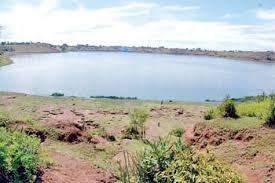
Simbi Nyaima in the local Luo language means he village that sank. It is actually a crater lake in which the community attach great importance because of the legendary story surrounding it. Visit and listen to the heart rending story of the woman who visited this village looking for shelter and food.

Lake Simbi Nyaima in Karachuonyo, near Kendu Bay Town, is famed for its culture and other attractions.
Simbi Nyaima has proved its worth as a tourist destination. It lures local and international visitors yearning for a beautiful scenery and strange tales of its formation.
In Dholuo, “Simbi Nyaima” means the village that sank.
Geologists say it is a crater lake formed about six centuries ago.

They also believe that the lake came about as a result of earthquakes accompanied by volcanic eruptions.

Simbi Nyaima Lake
Simbi Nyaima Lake
LEGIO MARIA
However, locals tell a completely different story regarding the lake’s origin.
They believe it was a result of the villagers’ greed and arrogance.
Legend has it that there once existed a community on the site.
The village, however, disappeared in a violent storm when residents refused to shelter and feed an old woman who sought refuge there, creating a large depression that formed Lake Simbi Nyaima.
The water from the lake is believed to be medicinal. Locals say it can cure many diseases.
Legio Maria sect members flock the lake for body and spiritual healing.
One can smell the lake from more than 40 kilometres away.
Lake Simbi Nyaima is a seasonal home of migrating flamingos.
They arrive from lakes in the Rift Valley region, such as Nakuru, Baringo, Natron and Elementaita. The birds come to the lake every year.
What strikes almost every visitor is how the flamingos locate the lake, owing to the great distance between it and the other lakes.
The road network has improved greatly and it only takes 30 minutes to drive from Kendu Bay to the lake.
It would take about an hour to drive from Homa Bay Town to Lake Simbi Nyaima using the Homa Bay-Kisumu road.
Visitors can get refreshments and be entertained in the many hotels nearby like the Big Five in Kendu Bay Town and Tourist Hotel in Homa Bay Town.
Other interesting places near Lake Simbi Nyaima include the Kanjera Archeological site and Kendu Bay’s Old Town, where Arabs settled as early as 1920.

Simbi Nyaima Lake Contacts

Attraction Type: Scenery & Landscapes, Culture
Category: Crater, Lake or River, Cultural Museum
Region: Western
City / Town: Kendu Bay
Road / Street: Off Kendu homabay road
Telephone: +254 57 202 0332, +254 719 256207, +254 722 788879
Website: http://www.museums.or.ke/content/blogcategory/14/2
Entrance Fee: Yes

More About Kenya

Kenya is a world unto itself. Kenya is Africa’s original safari destination, attracting explorers, adventurers, and travelers for centuries. A safari to Kenya is a trip of a lifetime.

Tourist Attractions in Kenya:

Kenya has one of the world’s greatest tourist attractions sites, known for its diversity of landscape, wildlife, and cultures. From sweeping savannahs to tropical beaches and coral reef, dense equatorial forests to mighty snow-capped mountains, and more.

For more information visit: Tourists Attractions in Kenya

Kenya Safari

Kenya is the ultimate safari destination, providing travelers with a window into the heart of Africa. But this is not all that Kenya has to offer. Located near the equator, Kenya´s magic lies in the fact that the country encompasses an astounding variety of landscapes and climates, flora and fauna, as well as communities and cultures, home to water sports, a swim with dolphins and adventure.

For more information visit: Kenya Safari

Hotels and Accommodation in Kenya

Hotels in Kenya vary enormously in price and facilities. Luxury hotels in Kenya offer excellent standards of service and are comparable to the best hotels anywhere in the world. Kenya’s abundance of natural produce, combined with the rich variety of cultures and traditions, has created a great culinary nation.

The fertile volcanic soil of the Rift Valley produces a bounty of fresh vegetables, while the coast is a great source of tropical fruit and fresh seafood. The Kenyan coast is also the home of the world-renowned Swahili cuisine, a blend of Middle Eastern and African cooking with a particular coastal twist.

For more information visit: Hotels in Kenya

Towns in Kenya

Apart from the towns of Nairobi , Mombasa, Kisumu and Nakuru, Kenya has other major towns each a unique representation of the country’s striking abundance in flora and fauna. Most of these towns are headquarters in their respective counties or major economic bases in their regions. Luxury hotels and lodges located here provide good accommodation and conferencing facilities for guests who dare to try out a taste different from the capital or the coast.

For more information visit: Towns in Kenya

The Kenyan People Culture and Tradition

Kenya’s culture blends together diverse tribes, traditions, and religions into one beautiful, well-woven tapestry.  These traditions complement each other while incorporating the modern influences of globalization – resulting in a vibrant cultural spirit that is uniquely Kenyan. Kenya has over 42 different tribes with different languages and several dialects. Kenyan tourism has made the Maasai and Samburu tribes the most famous because of their long preserved culture.

For more information visit: Kenya People and Tribes

  • « Go to Previous Page
  • Page 1
  • Interim pages omitted …
  • Page 14
  • Page 15
  • Page 16
  • Page 17
  • Page 18
  • Go to Next Page »

Primary Sidebar

Recent Posts

Mount Elgon National Park

Luhya Tribe

Luhya Tribe Guide: History, Sub-Tribes, Language, and Traditions

Kikuyu Tribe

Kikuyu Tribe Guide: History, Clans, Myths, Language and Culture

Akamba People

Akamba Tribe Guide: History, Clans, Culture, Music & Witchcraft

Meru Tribe

Meru Tribe Guide: Population, Names, Taboos & Clans

Uhuru Gardens

Uhuru Gardens Guide: Monument, Best Activities, Directions & Entry Fee

Places to Visit in Nairobi

Places to Visit in Nairobi Guide: Top Attractions, Hidden Gems &Travel Tips

Mombasa Beaches

Mombasa Beaches Guide: Culture, Best Beaches, Activities & Resorts


Home | About Us | Contact Us| Privacy Policy

Copyright © 2026 · Powerd by . InformationCradle · Log in