• Skip to primary navigation
  • Skip to main content
  • Skip to primary sidebar
Kenya Information Guide

FamousKenya

Kenya Information Guide

  • Home
  • About Kenya
    • Tribes
  • Famous People
  • Travel
    • Tourist Attractions in Kenya
    • Towns
    • Hotels
  • Contact Us

Mugie Wildlife Conservancy

February 4, 2025 by

A Guide To Mugie Wildlife Conservancy

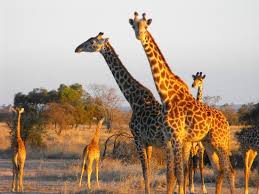
Mugie Wildlife Conservancy conservancy main aim is to preserve and increase the population of critically endangered Grevys zebra and Jacksons Hartebeests. Through the conservation of the delicate ecosystem, the sanctuary has boosted populations of lion, oryx, elephant, giraffe, cape buffalo, eland, as well as over two hundred unique bird species.

Mugie Wildlife Conservancy

Mutamaiyu House – Heaven on a hill

Guests staying on Mugie look out over their personal wilderness from Mutamaiyu House built to take advantage of the spectacular views. With its beautiful architecture, well kept grounds and cliff-top swimming pool, it offers tranquil luxury in the heart of Africa.
In 2009 the third largest private dam in Kenya was completed on Mugie. Holding a staggering 1.3 billion litres of water, the lake offers an oasis for over two hundred unique bird species, fish and wildlife.
Mutamaiyu House has been nominated in the 2012 Safari Awards for the Best Safari House in Africa and the Best Safari Property and Best Ecological Safari Property in East Africa.

Mugie Wildlife Conservancy Contacts

Attraction Type:    Wildlife
Category:    Wildlife Conservancy, Birding Site, Animal Sanctuary
Region:     North Rift
City / Town:    Rumuruti
Telephone:     254 20 232 6170
Email:     office@mugie.org
Website:     http://www.mugie.org
Entrance Fee:    Yes

More About Kenya

Kenya is a world unto itself. Kenya is Africa’s original safari destination, attracting explorers, adventurers, and travelers for centuries. A safari to Kenya is a trip of a lifetime.

Tourist Attractions in Kenya:

Kenya has one of the world’s greatest tourist attractions sites, known for its diversity of landscape, wildlife, and cultures. From sweeping savannahs to tropical beaches and coral reef, dense equatorial forests to mighty snow-capped mountains, and more.

For more information visit: Tourists Attractions in Kenya

Kenya Safari

Kenya is the ultimate safari destination, providing travelers with a window into the heart of Africa. But this is not all that Kenya has to offer. Located near the equator, Kenya´s magic lies in the fact that the country encompasses an astounding variety of landscapes and climates, flora and fauna, as well as communities and cultures, home to water sports, a swim with dolphins and adventure.

For more information visit: Kenya Safari

Hotels and Accommodation in Kenya

Hotels in Kenya vary enormously in price and facilities. Luxury hotels in Kenya offer excellent standards of service and are comparable to the best hotels anywhere in the world. Kenya’s abundance of natural produce, combined with the rich variety of cultures and traditions, has created a great culinary nation.

The fertile volcanic soil of the Rift Valley produces a bounty of fresh vegetables, while the coast is a great source of tropical fruit and fresh seafood. The Kenyan coast is also the home of the world-renowned Swahili cuisine, a blend of Middle Eastern and African cooking with a particular coastal twist.

For more information visit: Hotels in Kenya

Towns in Kenya

Apart from the towns of Nairobi , Mombasa, Kisumu and Nakuru, Kenya has other major towns each a unique representation of the country’s striking abundance in flora and fauna. Most of these towns are headquarters in their respective counties or major economic bases in their regions. Luxury hotels and lodges located here provide good accommodation and conferencing facilities for guests who dare to try out a taste different from the capital or the coast.

For more information visit: Towns in Kenya

The Kenyan People Culture and Tradition

Kenya’s culture blends together diverse tribes, traditions, and religions into one beautiful, well-woven tapestry.  These traditions complement each other while incorporating the modern influences of globalization – resulting in a vibrant cultural spirit that is uniquely Kenyan. Kenya has over 42 different tribes with different languages and several dialects. Kenyan tourism has made the Maasai and Samburu tribes the most famous because of their long preserved culture.

For more information visit: Kenya People and Tribes

Selenkay Wildlife Conservancy

February 4, 2025 by

A Guide To Selenkay Wildlife Conservancy

Selenkay Wildlife Conservancy shares same eco-system as Amboseli and is established on lands leased from the local Maasai with the aim of protecting the habitation and wildlife conservation. Attractions include elephants, Thomson and Grants gazelles, lions, cheetahs and leopards, bat eared fox, mongooses, porcupine, giraffe and yellow baboon among others
16 kms north of the northern boundary of Amboseli Park is the 15,000 acres Selenkay Conservancy. The Conservancy is one of the pioneers of community conservation in Kenya.
Selenkay shares the same eco-system as Amboseli and is established on lands leased from the local Maasai by Gamewatchers Safaris Ltd with the aim of protecting the habitation and encouraging wildlife conservation as an alternative to farming as a means for the local population to earn a living.
Migrating species previously killed or driven off land set aside for farming are now encouraged to make the conservancy their home. Recent years have witnessed a significant increase in wildlife numbers with elephants returning to make the land their own after a 20 year absence.
Roads into the very heart of Selenkay’s Maasai land have been created and a single camp built. The camp’s remote location off the beaten tourist track means that the local wildlife is unused to vehicle traffic, which it rarely encounters, and therefore behaves in its natural manner.
Visitors to Porini Amboseli Camp (only 18 at any given time) benefit from the knowledge and experience of the Maasai employed as game rangers, trackers and camp staff and from an environment still in its wild and unspoilt state.

What To See at Selenkay Wildlife Conservancy

Selenkay Wildlife Conservancy

Wildlife: Visitors can expect to see elephants, Thomson and Grant’s gazelles, lions, cheetahs and leopards, bat eared fox, mongooses, porcupine, giraffe and yellow baboon among the many now indigenous species

What To Do At Selenkay Wildlife Conservancy

Morning, evening and night game drives. Escorted guide walks with the expert Masaai guides. Sundowners at scenic points within the conservancy. Visits to a local Masaai village.

Accommodation And Hotels At Slenkay Wildlife Conservancy

Within the Selenkay Conservancy there is the Porini Amboseli Camp with 9 tents accommodating a maximum of 18 guests and a seasonal mobile camp, the Gamewatchers Adventure Camp which also has 9 tents for up to 18 guests-
This is a total of 18 tents in 15,000 acres which is 1 tent per 722 acres, following our conservancy formula of not more than 1 tent per 700 acres to ensure low-density tourism with minimal impact.

How To Get To Selenkay Wildlife Conservancy

Road: 175 kms from Nairobi, down the Mombasa road and via Emali (roughly 4 1/2 hours).  Air: Chartered flights are able to land at the Selenkay airstrip, located 5 minutes drive from Porini Amboseli Safari Camp.

Selenkay Wildlife Conservancy Contacts

Attraction Type: Wildlife
Category: Wildlife Conservancy
Region: Eastern
Telephone: +254 774 136523
Entrance Fee: Yes

More About Kenya

Kenya is a world unto itself. Kenya is Africa’s original safari destination, attracting explorers, adventurers, and travelers for centuries. A safari to Kenya is a trip of a lifetime.

Tourist Attractions in Kenya:

Kenya has one of the world’s greatest tourist attractions sites, known for its diversity of landscape, wildlife, and cultures. From sweeping savannahs to tropical beaches and coral reef, dense equatorial forests to mighty snow-capped mountains, and more.

For more information visit: Tourists Attractions in Kenya

Kenya Safari

Kenya is the ultimate safari destination, providing travelers with a window into the heart of Africa. But this is not all that Kenya has to offer. Located near the equator, Kenya´s magic lies in the fact that the country encompasses an astounding variety of landscapes and climates, flora and fauna, as well as communities and cultures, home to water sports, a swim with dolphins and adventure.

For more information visit: Kenya Safari

Hotels and Accommodation in Kenya

Hotels in Kenya vary enormously in price and facilities. Luxury hotels in Kenya offer excellent standards of service and are comparable to the best hotels anywhere in the world. Kenya’s abundance of natural produce, combined with the rich variety of cultures and traditions, has created a great culinary nation.

The fertile volcanic soil of the Rift Valley produces a bounty of fresh vegetables, while the coast is a great source of tropical fruit and fresh seafood. The Kenyan coast is also the home of the world-renowned Swahili cuisine, a blend of Middle Eastern and African cooking with a particular coastal twist.

For more information visit: Hotels in Kenya

Towns in Kenya

Apart from the towns of Nairobi , Mombasa, Kisumu and Nakuru, Kenya has other major towns each a unique representation of the country’s striking abundance in flora and fauna. Most of these towns are headquarters in their respective counties or major economic bases in their regions. Luxury hotels and lodges located here provide good accommodation and conferencing facilities for guests who dare to try out a taste different from the capital or the coast.

For more information visit: Towns in Kenya

The Kenyan People Culture and Tradition

Kenya’s culture blends together diverse tribes, traditions, and religions into one beautiful, well-woven tapestry.  These traditions complement each other while incorporating the modern influences of globalization – resulting in a vibrant cultural spirit that is uniquely Kenyan. Kenya has over 42 different tribes with different languages and several dialects. Kenyan tourism has made the Maasai and Samburu tribes the most famous because of their long preserved culture.

For more information visit: Kenya People and Tribes

Mau Forest

February 4, 2025 by

A Guide To Mau Forest

Mau Forest is the most complex forest reserves in the Rift Valley of Kenya, and is the largest indigenous montane forest in East Africa. The forest registers one of the highest rainfall rates in Kenya and thus the largest water catchment area, with many local rivers originating from it.
[Read more…] about Mau Forest

Mara Naboisho Conservancy

February 4, 2025 by

A Guide To Mara Naboisho Conservancy

Naboisho, which means “coming together” in the Maa language, is a community response to the challenges of the privatization of group ranches in the Greater Mara Region. The Mara Naboisho Conservancy provides the opportunity to conserve the land and wildlife, whilst simultaneously creating wealth for the landowners.

Mara Naboisho Conservancy History

The Mara Naboisho Conservancy – a 50,000 acre community pastoralist and wildlife conservation area – is located in the Great Rift Valley, Kenya. The conservancy, which falls within the Greater Mara Region and was carved out of the Koyaki-Lemek Group Ranch, borders the world famous Masai Mara National Reserve to the south west, the Olare Orok Conservancy to the west, and the Ol Kinyei Conservancy to the east.
Naboisho, which means “coming together” in the Maasai’s Maa language, is a community response to the challenges of the privatization of group ranches in the Greater Mara Region. Strain was put on the soil, endemic vegetation, and the wildlife as a result of intensive herding and various tourism activities such as camping and off-road vehicle activity. The conservancy provides the opportunity to conserve the land and wildlife, whilst simultaneously creating wealth for the landowners.
There are approximately 500 local Maasai landowners in Naboisho. Inspired by their neighbours in the Olare Orok Conservancy, these landowners asked the Basecamp Foundation Kenya to facilitate the formation of the conservancy as a community wildlife area. In 2008, a forum – which brought together community leaders, upcoming community champions, dedicated resource managers, seasoned conservationists, experienced socio-ecologists and tourism investors – was convened to chart out a broader framework for the development of Naboisho. It was agreed that the conservancy model should combine conservation of nature and cultural heritage, tourism, and the enhancement of livelihoods for the local communities. On the 28th of March 2010, the landowners formerly signed a 15-year lease to create the Mara Naboisho Conservancy.
The Mara Naboisho Conservancy is now the second largest conservancy in the region. Once the conservancy was established, a plan was put in place to ensure that the environment was given a chance to recover, that wildlife was protected, and that the landowners benefitted, both financially and from a social development perspective.

Mara Naboisho Conservancy

OBJECTIVES

The key objectives of setting up the the conservancy were:
(a) to conserve the biological resources and the socio-cultural heritage of the conservancy area;
(b) to promote tourism through partnering with investors and;
(c) to contribute to wealth creation for landowners.
ECONOMIC OBJECTIVES
The economic objectives revolve around the creation of employment possibilities for the local communities. It is necessary to ensure the broad-based distribution of economic benefits amongst all stakeholders. This will be achieved through the development of sustainable livelihoods and steady employment for the local community, ensuring minimal underemployment and unemployment. In creating employment, it is important to encourage the use of local knowledge, skills and traditions, and to offer a sense of fulfilment and satisfaction to the people of Mara Naboisho.
SOCIO-CULTURAL OBJECTIVES
The key economic objective of providing steady and sustainable employment leads to the possibility of creating an improved standard of living for the community as a whole. However, it is important to protect the sensitive and indigenous cultures of the local people against any adverse impact. This means ensuring that tourism activities and behaviours respect the cultural heritage in Mara Naboisho.
COMMUNITY EMPOWERMENT
The overall objective is to contribute towards the social development of the community, through community empowerment and wealth creation. The obvious approach in achieving this goal is through the creation of employment opportunities for the local community. In addition to this, there are supporting actions which will educate and empower the community. These include water conservation programs that support access to clean water, access to renewable energy, education programs, and the promotion of female empowerment.
ENVIRONMENTAL AND WILDLIFE CONSERVATION
The Mara Naboisho Conservancy provides a significant wildlife migratory corridor for the Mara-Serengeti ecosystem, supporting both the north and south wildebeest migrations. Through sustainable tourism, there is the opportunity to protect the wildlife and its natural terrain whilst providing a high-quality game viewing experience for visitors to the conservancy. There are a number of objectives and actions towards the benefit of the wildlife and the landscape of the conservancy. These include:

  • Increasing diversity and abundance of wildlife.
  • Promoting wildlife-friendly land-use practices.
  • Monitoring of wildlife populations and movements.
  • Eradicating poaching and the illegal possession of wildlife products.
  • Strengthening wildlife conservation programs within the conservancy.

Mara Naboisho Conservancy Contacts

Attraction Type:    Wildlife, Culture
Category:    Wildlife Conservancy, Community Tourism
Region:     South Rift
Telephone:     254 733 333909
Website:     http://www.maranaboisho.com/
Entrance Fee:    Yes

More About Kenya

Kenya is a world unto itself. Kenya is Africa’s original safari destination, attracting explorers, adventurers, and travelers for centuries. A safari to Kenya is a trip of a lifetime.

Tourist Attractions in Kenya:

Kenya has one of the world’s greatest tourist attractions sites, known for its diversity of landscape, wildlife, and cultures. From sweeping savannahs to tropical beaches and coral reef, dense equatorial forests to mighty snow-capped mountains, and more.

For more information visit: Tourists Attractions in Kenya

Kenya Safari

Kenya is the ultimate safari destination, providing travelers with a window into the heart of Africa. But this is not all that Kenya has to offer. Located near the equator, Kenya´s magic lies in the fact that the country encompasses an astounding variety of landscapes and climates, flora and fauna, as well as communities and cultures, home to water sports, a swim with dolphins and adventure.

For more information visit: Kenya Safari

Hotels and Accommodation in Kenya

Hotels in Kenya vary enormously in price and facilities. Luxury hotels in Kenya offer excellent standards of service and are comparable to the best hotels anywhere in the world. Kenya’s abundance of natural produce, combined with the rich variety of cultures and traditions, has created a great culinary nation.

The fertile volcanic soil of the Rift Valley produces a bounty of fresh vegetables, while the coast is a great source of tropical fruit and fresh seafood. The Kenyan coast is also the home of the world-renowned Swahili cuisine, a blend of Middle Eastern and African cooking with a particular coastal twist.

For more information visit: Hotels in Kenya

Towns in Kenya

Apart from the towns of Nairobi , Mombasa, Kisumu and Nakuru, Kenya has other major towns each a unique representation of the country’s striking abundance in flora and fauna. Most of these towns are headquarters in their respective counties or major economic bases in their regions. Luxury hotels and lodges located here provide good accommodation and conferencing facilities for guests who dare to try out a taste different from the capital or the coast.

For more information visit: Towns in Kenya

The Kenyan People Culture and Tradition

Kenya’s culture blends together diverse tribes, traditions, and religions into one beautiful, well-woven tapestry.  These traditions complement each other while incorporating the modern influences of globalization – resulting in a vibrant cultural spirit that is uniquely Kenyan. Kenya has over 42 different tribes with different languages and several dialects. Kenyan tourism has made the Maasai and Samburu tribes the most famous because of their long preserved culture.

For more information visit: Kenya People and Tribes

Ol Ari Nyiro Conservancy

February 4, 2025 by

A Guide To Ol Ari Nyiro Conservancy

Ol ari Nyiro means The Place of Springs in the local Maa language. The conservancy comprises of indigenous relic forest in the area and cut in half by the stunning Mukutan Gorge. It hosts over 400 species of birds and animals like elephants, lions, black rhino, leopard and antelopes.

As with many safari conservancies in the frontiers of Laikipia, Ol Ari Nyiro Conservancy began as a ranch and later transitioned into a wildlife conservancy under the umbrella of the Gallmann Memorial Foundation. The conservancy is located on the western side of Laikipia and covers an estimated 100,000 acres. The landscape includes the impressive Mukutan Gorge, rolling hills, grasslands and indigenous relic forest, the only one of its kind in the area. The abundance of water in the conservancy is attributed to 62 man-made lakes, Mukutan River, waterfalls and natural springs, few of which are thermal hot springs. Successful management of land and wildlife makes Ol Ari Nyiro Conservancy home to an abundance of diverse species, including one of Kenya’s largest population of Cape buffalo on private land, giraffes, elephants, antelopes, zebras and great predators, such as lions, cheetahs and leopards (read more on the best time to visit Laikipia with AfricanMecca). More than 400 bird species have been recorded in the conservancy including 85 species that are listed as vulnerable and endangered, further attesting to the benefits of effective resource management. Even the smallest threatened species thrive in the conservancy, including many rare insects, reptiles and amphibians. These tiny creatures are often found nestled within some 2350 foliage species, many of which are only found in the conservancy, lending to the Ol ari Nyiro’s reputation as being one of East Africa’s most botanically varied zone.

Ol Ari Nyiro Conservancy

Ol Ari Nyiro Conservancy Contacts

Attraction Type:    Wildlife, Scenery & Landscapes
Category:    Wildlife Conservancy, Birding Site, Lake or River
Region:     North Rift
Telephone:     254 20 232 6170
Website:     http://www.gallmannkenya.org/conservation.html
Entrance Fee:    Yes

More About Kenya

Kenya is a world unto itself. Kenya is Africa’s original safari destination, attracting explorers, adventurers, and travelers for centuries. A safari to Kenya is a trip of a lifetime.

Tourist Attractions in Kenya:

Kenya has one of the world’s greatest tourist attractions sites, known for its diversity of landscape, wildlife, and cultures. From sweeping savannahs to tropical beaches and coral reef, dense equatorial forests to mighty snow-capped mountains, and more.

For more information visit: Tourists Attractions in Kenya

Kenya Safari

Kenya is the ultimate safari destination, providing travelers with a window into the heart of Africa. But this is not all that Kenya has to offer. Located near the equator, Kenya´s magic lies in the fact that the country encompasses an astounding variety of landscapes and climates, flora and fauna, as well as communities and cultures, home to water sports, a swim with dolphins and adventure.

For more information visit: Kenya Safari

Hotels and Accommodation in Kenya

Hotels in Kenya vary enormously in price and facilities. Luxury hotels in Kenya offer excellent standards of service and are comparable to the best hotels anywhere in the world. Kenya’s abundance of natural produce, combined with the rich variety of cultures and traditions, has created a great culinary nation.

The fertile volcanic soil of the Rift Valley produces a bounty of fresh vegetables, while the coast is a great source of tropical fruit and fresh seafood. The Kenyan coast is also the home of the world-renowned Swahili cuisine, a blend of Middle Eastern and African cooking with a particular coastal twist.

For more information visit: Hotels in Kenya

Towns in Kenya

Apart from the towns of Nairobi , Mombasa, Kisumu and Nakuru, Kenya has other major towns each a unique representation of the country’s striking abundance in flora and fauna. Most of these towns are headquarters in their respective counties or major economic bases in their regions. Luxury hotels and lodges located here provide good accommodation and conferencing facilities for guests who dare to try out a taste different from the capital or the coast.

For more information visit: Towns in Kenya

The Kenyan People Culture and Tradition

Kenya’s culture blends together diverse tribes, traditions, and religions into one beautiful, well-woven tapestry.  These traditions complement each other while incorporating the modern influences of globalization – resulting in a vibrant cultural spirit that is uniquely Kenyan. Kenya has over 42 different tribes with different languages and several dialects. Kenyan tourism has made the Maasai and Samburu tribes the most famous because of their long preserved culture.

For more information visit: Kenya People and Tribes

West Gate Community Conservancy

February 4, 2025 by

A Guide To West Gate Community Conservancy

West Gate Community Conservancy forms patchwork of community conservancy land in the northern rangeland area. It is home to a number of endangered Grevys zebra, which is only found in the north of Kenya and parts of Somalia. Herds of up to 500 can be seen scattered across the rugged plains of West Gate, as they use this corridor to get from Mpus Kutuk, Nasuulu, Samburu and Kalama to the vast northern territories of Namunyak and Sera. West Gate conservancy was initiated by the owners of Ngutuk Ongiron Group Ranch, who realized the importance of conserving the Grevy’s zebra, as well as a sustainable rangeland for the Samburu and their livestock.

The People
The Maa-speaking Samburu are pastoralists, whose livelihoods have traditionally been rooted in semi nomadic cattle, goat and sheep farming across the rangelands of northern Kenya. But as changing times bring increased pressure on natural resources, grazing cattle has become a volatile livelihood, as unpredictable drought and competition with protected wildlife for grazing becomes more frequent.
To give pastoralists both security and incentive, the ‘Linking Livestock Markets to Wildlife Conservation’ Program is being implemented in several conservancies, including West Gate. The concept is simple – conservancies are judged using a set of criteria, which look at how well the conservancy is being managed to benefit both wildlife and communities. NRT will buy cattle from the best performing conservancies, which it then sells on to slaughter. So far (from 2006 up to 2012) more than 5,000 cattle have been bought from the 11 participating conservancies, making over 125 million Kenyan Shillings (approximately 1.4 million USD) for 2,000 pastoralists. West Gate is the third biggest contributor to sales so far, having sold over 600 cattle to NRT.
One of the major criteria within the programme is security. 35 rangers, employed from the community and trained by NRT, are continuing to enhance security in West Gate which has helped boost wildlife numbers and in turn, tourist numbers. Rangers play a critical role in raising conservation awareness, gathering intelligence, managing conflict and gathering basic wildlife data. They were trained with funding from NRT and generous support from the Kenya Wildlife service, at the Manyani Training School in the famous Tsavo National Park. Passing with flying colours, the team emerged with knowledge in discipline, field craft, wildlife law and wildlife monitoring.
One of NRT’s main focuses is to help communities diversify their income, so as to decrease reliance on livestock and therefor ease the pressure on natural resources. NRT Trading is a branch of the organization that gives women in communities the opportunity to be trained in craft-making, product development, and basic accounting and leadership skills. The aim is to enable them to take their businesses as far as they dream. Through the support of ICEP, a micro-credit program, these women have access to micro-loans to develop their ventures, and set up viable alternative sources of income for their families. There are 18 women’s groups in West Gate involved in NRT Trading.
As part of NRT’s focus on integrating ethnicities, West Gate will be one of the four community conservancies to hold a sport for peace event, where members from any position of the community can compete and connect with other communities.
Ecosystems
Thorny acacia scrubland is the archetypal image of Kenya’s northern rangelands. West Gate includes vast expanses of this rugged terrain with rocky outcrops dotted throughout. It also encompasses a part of the great Ewaso Nyiro River, Kenya’s third largest water course, which provides a vital and consistent lifeline to the communities and wildlife along its banks. Grevy’s zebra use West Gate as a safe and well watered passageway between the surrounding conservancies, which makes it an important area for the conservation and monitoring of the species.
West Gate was the first conservancy in NRT to trial the grazing and rangeland management programs, which involves land use planning and integrating new ways of grazing. The first phase involved 200 head of cattle owned by 20 pastoralists, on 1,200 hectares of land designated by the grazing committee. Cattle were bunched tightly together, then moved together to the next area so that the ground could rest. The conservancy also conducted a perennial grass reseeding programme and began eradicating the invasive Acacia reficiens species. This led to such an improvement in rangeland condition that the conservancy was able to increase the number of cattle in the area to 500 head, belonging to over 102 families, the following season. Furthermore, there was an obvious difference in the condition of the cows which had been involved in the grazing programme, and those who had not. The ones that had, fetched a better price at market than their age-mates who had been grazed traditionally, often selling for around 7,000 Kenyan shillings (US$83) more. Oryx, Grevy’s zebra and other wild herbivores started to return to these areas they had previously shunned for lack of forage too.
West Gate also works closely with Ewaso Lions, a community based organisation who work to conserve lions and other large carnivores. Their flagship programme, Warrior Watch, trains Samburu warriors in conflict mitigation, basic data collection and the ecology of their area, so that they may build on their traditional protection role in their community by mitigating lion-human conflict in their area more effectively. Although the main role of the programme is to increase community engagement in conservation, the warriors also collect important data on wildlife presence, and assist West Gate conservancy rangers in security operations and wildlife monitoring.

West Gate Community Conservancy

Visiting West Gate
Sasaab is a luxury 18 bed tented camp nestled on the banks of the Ewaso Nyiro River. It opened in 2007 and offers guests a truly wild slice of Africa, giving them an opportunity to get close to wildlife and learn a bit about the vivid and proud Samburu culture. 60% of the revenue generated from the lodge goes into community projects such as school bursaries, water pumps and infrastructure, while 40% goes towards the annual operating costs of the conservancy.
The Future for West Gate
With assistance from NRT and partner organizations, West Gate aims to achieve the following in the coming years:

  • To register as a not-for-profit company
  • To acquire the funding to repair the airstrip
  • To take part in peace building exercises with surrounding communities
  • To convene, along with all other NRT community conservancies, in annual general meetings to share plans and progress
  • To take part in a livelihood baseline survey, commissioned by NRT, with a view of determining the status and priority of education, health, water, jobs, food security, infrastructure and current availability of government services
  • To continue the strengthening of wildlife security and monitoring within the conservancy and its neighborhood through the WGCC scout team
  • To purchase a dedicated conservancy vehicle
  • To co-ordinate the trans-location of giraffe, impala and zebra from other community conservancies in order to supplement existing populations
  • To sign a partnership memorandum of understanding, along with all other community conservancies, between themselves and NRT
  • To acquire adequate training in effectively managing water infrastructure

West Gate Community Conservancy Contacts

Attraction Type: Wildlife
Category: Wildlife Conservancy
Region: North Rift
Telephone: +254 721 938409
Entrance Fee: Yes

More About Kenya

Kenya is a world unto itself. Kenya is Africa’s original safari destination, attracting explorers, adventurers, and travelers for centuries. A safari to Kenya is a trip of a lifetime.

Tourist Attractions in Kenya:

Kenya has one of the world’s greatest tourist attractions sites, known for its diversity of landscape, wildlife, and cultures. From sweeping savannahs to tropical beaches and coral reef, dense equatorial forests to mighty snow-capped mountains, and more.

For more information visit: Tourists Attractions in Kenya

Kenya Safari

Kenya is the ultimate safari destination, providing travelers with a window into the heart of Africa. But this is not all that Kenya has to offer. Located near the equator, Kenya´s magic lies in the fact that the country encompasses an astounding variety of landscapes and climates, flora and fauna, as well as communities and cultures, home to water sports, a swim with dolphins and adventure.

For more information visit: Kenya Safari

Hotels and Accommodation in Kenya

Hotels in Kenya vary enormously in price and facilities. Luxury hotels in Kenya offer excellent standards of service and are comparable to the best hotels anywhere in the world. Kenya’s abundance of natural produce, combined with the rich variety of cultures and traditions, has created a great culinary nation.

The fertile volcanic soil of the Rift Valley produces a bounty of fresh vegetables, while the coast is a great source of tropical fruit and fresh seafood. The Kenyan coast is also the home of the world-renowned Swahili cuisine, a blend of Middle Eastern and African cooking with a particular coastal twist.

For more information visit: Hotels in Kenya

Towns in Kenya

Apart from the towns of Nairobi , Mombasa, Kisumu and Nakuru, Kenya has other major towns each a unique representation of the country’s striking abundance in flora and fauna. Most of these towns are headquarters in their respective counties or major economic bases in their regions. Luxury hotels and lodges located here provide good accommodation and conferencing facilities for guests who dare to try out a taste different from the capital or the coast.

For more information visit: Towns in Kenya

The Kenyan People Culture and Tradition

Kenya’s culture blends together diverse tribes, traditions, and religions into one beautiful, well-woven tapestry.  These traditions complement each other while incorporating the modern influences of globalization – resulting in a vibrant cultural spirit that is uniquely Kenyan. Kenya has over 42 different tribes with different languages and several dialects. Kenyan tourism has made the Maasai and Samburu tribes the most famous because of their long preserved culture.

For more information visit: Kenya People and Tribes

  • « Go to Previous Page
  • Page 1
  • Interim pages omitted …
  • Page 13
  • Page 14
  • Page 15
  • Page 16
  • Page 17
  • Page 18
  • Go to Next Page »

Primary Sidebar

Recent Posts

Mount Elgon National Park

Luhya Tribe

Luhya Tribe Guide: History, Sub-Tribes, Language, and Traditions

Kikuyu Tribe

Kikuyu Tribe Guide: History, Clans, Myths, Language and Culture

Akamba People

Akamba Tribe Guide: History, Clans, Culture, Music & Witchcraft

Meru Tribe

Meru Tribe Guide: Population, Names, Taboos & Clans

Uhuru Gardens

Uhuru Gardens Guide: Monument, Best Activities, Directions & Entry Fee

Places to Visit in Nairobi

Places to Visit in Nairobi Guide: Top Attractions, Hidden Gems &Travel Tips

Mombasa Beaches

Mombasa Beaches Guide: Culture, Best Beaches, Activities & Resorts


Home | About Us | Contact Us| Privacy Policy

Copyright © 2026 · Powerd by . InformationCradle · Log in