Mnarani Ruins
📍 Kilifi, Kilifi
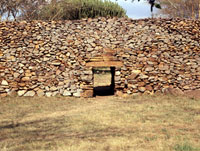
Mnarani Ruins are the archaeological remains of a 14th-century Swahili settlement located in Kilifi County, near the mouth of Kilifi Creek. The site features the remains of two mosques and several tombs, offering a fascinating glimpse into the historical Islamic influence and architecture along the Kenyan coast.
- Location
- Kilifi, Kilifi
- Type
- Historical Site
- Status
- Open
- Typical Visit
- 1–2 Hours
- Booking
- Walk-ins accepted
- Main Access
- Road
Visitor Information at a Glance
- Official Name
- Mnarani Ruins
- Alternative Names
- Mnarani
- Attraction Type
- Historical Site
- County
- Kilifi
- Nearest Town
- Kilifi
- Ownership
- National Government
- Significance
- National
- Wheelchair Access
- Partially Accessible
- Visit Duration
- 1–2 Hours
- School Groups
- Researchers
About Mnarani Ruins
The site is managed by the National Museums of Kenya and is famous for its well-preserved pillar tomb and carved coral work. Visitors can explore the peaceful, shaded grounds while learning about the history of the Swahili civilization that once thrived here.
Why Visit Mnarani Ruins
Provides a serene, historically rich experience for those interested in Swahili history and coastal architecture.
14th-century mosque remains, carved coral pillar tomb, and tranquil coastal surroundings.
History and Significance
History
A settlement established in the 14th century, eventually abandoned due to Galla incursions in the 17th century.
Significance
National significance for Swahili archaeology and heritage.
Opening Hours and Booking
| Monday, Tuesday, Wednesday, Thursday, Friday, Saturday, Sunday | 8:00 am–6:00 pm |
|---|
- Advance Booking
- Not indicated as required
- Walk-ins
- Accepted
How to Get There
- Main Access
- Road
- Road Surface
- Paved
- Road Condition
- Good
- 4WD Required
- Not confirmed
- Public Transport
- Available
- Parking
- Available
- Nearest Air Access
- Vipingo Airstrip
- Distance from Nairobi
- 550 km
Easily accessible from the main Mombasa-Malindi road.
Facilities and Visitor Services
- Toilets
- Guides
- Fuel Nearby
- Parking
- Payments: Cash, M-Pesa
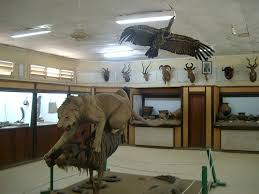
Small museum center on-site.
Accessibility
- Wheelchair Access
- Partially Accessible
Grounds are mostly flat.
- School Groups
- Researchers
Best Time to Visit
- Best Months
- January, February, June, July, August, September
Rules and Safety
- General Safety Level
- Very Low Risk
Visitor Rules
Standard monument rules apply.
Safety Information
Safe, formal historical site.
Photography and Drone Policy
Photography permitted.