• Skip to primary navigation
  • Skip to main content
  • Skip to primary sidebar
Kenya Information Guide

FamousKenya

Kenya Information Guide

  • Home
  • About Kenya
    • Tribes
  • Famous People
  • Travel
    • Tourist Attractions in Kenya
    • Towns
    • Hotels
  • Contact Us

Mount Kenya Wildlife Conservancy

February 4, 2025 by

Mt Kenya Wildlife Conservancy Animal Orphanage was established in 1967 by the Hollywood actors, William Holden, Julian McKeand, and Iris and Don Hunt. It started life as the Mount Kenya Game Ranch.

The Conservancy also hosts a herd of rare white zebras, shelters orphaned or wounded animals, and provides a wide-reaching educational program for young Kenyans. The Conservancy lies on the grounds of the world-famous Mount Kenya Safari Club, which was also founded as one of the world’s most famous hotels by William Holden and a group of friends in 1959.

A Guide To Mt Kenya Wildlife Conservancy Animal Orphanage

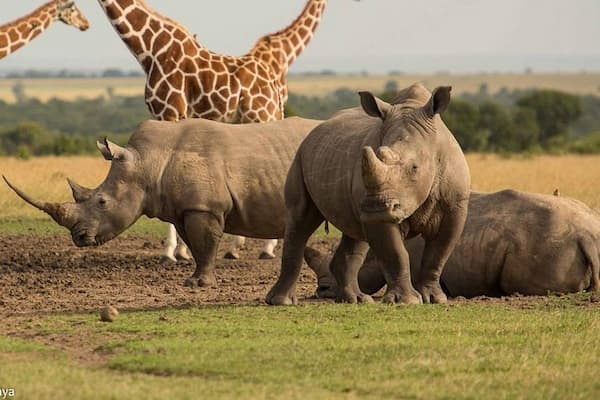
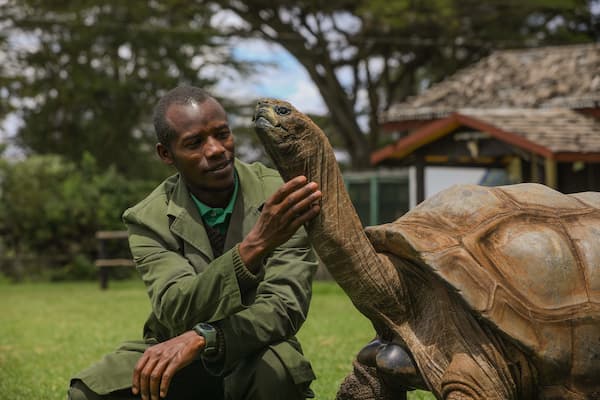
Mt. Kenya Wildlife Conservancy Conservancy gives orphaned, injured, neglected, abused, or frightened wild animals a second chance. The orphanage also provides professional care and shelter intending to release these creatures back to the wild where they belong. It is known for its bongo breeding program and protection of the rare white zebra.

In 2004 American Zoological Institutions joined hands with the Bongo Species Survival Plan in returning 18 of their Zoo-bred bongo with Kenyan ancestry to the soil of their origin.
Eleven baby bongos have since been born to that herd kept in the safety of the Mount Kenya Wildlife Conservancy.

History of Mt Kenya Wildlife Conservancy Animal Orphanage

Between 1968 and 1969, studies in the Aberdares and on Mount Kenya displayed a decreasing population of the Mountain Bongo. As illegal poaching increased, and later followed by the growing number of orphaned animals. In 1969, Iris Hunt established a permanent home for these animals, the Mount Kenya Animal Orphanage.

However, in partnership with the Kenya Wildlife Services and scientists from the United States, the Mount Kenya Game Ranch started to assist in catching wildlife for restocking programs ensuring the survival of species despite illegal poaching. One of these species was the Mountain Bongo. The team planned and organized the capture of a small group of Bongos which were sent to zoos in the United States to secure the survival of the species in the occasion it were to go extinct on Mount Kenya.

The Mount Kenya Wildlife Conservancy was later formed as a Kenyan non-profit trust, with three pillars namely: The Animal Orphanage, the Mountain Bongo breeding and rewilding program, and the Conservation Education program. The founder trustees were: Don Hunt, Paul Ndung’u, Iris Hunt, and Julian McKeand. Also, this was the year that the first Mountain Bongo were repatriated from zoos across North America.

Mt Kenya Wildlife Conservancy Animal Orphanage image
Mt Kenya Wildlife Conservancy Animal Orphanage

Mt Kenya Wildlife Conservancy Animal Orphanage Location

  • The animal orphanage is located at the entrance gate of Mount Kenya Wildlife Conservancy and is within walking distance from our reception.
  • The orphanage is also home to injured, neglected, or frightened wild animals. They are taken care of at the orphanage to release them back into the wild where they belong.

Mt Kenya Wildlife Conservancy Animal Orphanage Donations

The Mount Kenya Wildlife Conservancy relies on donations to care for injured, orphaned, and endangered animals. Donations also help provide food, rehabilitation, and medical care for the animals.

How to Donate

Here is an updated guide on how to donate to the Mount Kenya Wildlife Conservancy Animal Orphanage, including various payment methods: Note: Please notify them at finance@mountkenyawildlifeconservancy.org after the transfer, providing your name and the purpose of your donation.

Direct Bank Transfer

Secure and Direct
Make a direct impact through a bank transfer. Bank Details:

  • Account Name: Mount Kenya Wildlife Conservancy
  • Bank Name: Absa Bank
  • Swift Code: BARCKENX
  • Bank Code: 03
  • Branch Code: 190
  • Account Number: USD 022 765 1199, KES 030 815 9051

Mobile Money/Mpesa

Simple and Instant
Contribute seamlessly through Mpesa. Your support is just a few taps away.

  • Mpesa Till Number: 837 749
  • Account Name: Mount Kenya Game Ranch

Mail Your Contribution

Traditional Giving
Prefer the classic route? You can mail your donation to them. Please make cheques payable to Mount Kenya Wildlife Conservancy and send them to:

  • Mount Kenya Wildlife Conservancy
  • P.O. Box 288 -10400
  • Nanyuki, Kenya

In-Kind Donations

Goods and Services

  • Your non-monetary contributions matter too! Consider donating goods or services that align with our purpose. Contact us at info@mountkenyawildlifeconservancy.org to discuss how your in-kind donation can support our initiatives.

Mt Kenya Wildlife Conservancy Animal Orphanage Entrance Fee

E.A. Citizen

  • Adult KSH 1000
  • Child (6-12 Years) KSH 500
  • Children below 6 years-Free

Resident

  • Adult KSH 2000
  • Child (6-12 Years) KSH 1000
  • Children below 6 years-Free

Non-Resident

  • Adult USD 40
  • Child (6-12 Years) USD 20
  • Children below 6 years-Free

Mt Kenya Wildlife Conservancy Animal Orphanage Contacts

  • Attraction Type: Wildlife
  • Category: Wildlife Conservancy, Animal Sanctuary
  • Region: Mt. Kenya
  • City / Town: Nanyuki
  • Telephone: 254 20 232 6170
  • Entrance Fee: Yes

More About Kenya

Kenya is a world unto itself. Kenya is Africa’s original safari destination, attracting explorers, adventurers, and travelers for centuries. A safari to Kenya is a trip of a lifetime.

Tourist Attractions in Kenya:

Kenya has one of the world’s greatest tourist attractions sites, known for its diversity of landscape, wildlife, and cultures. From sweeping savannahs to tropical beaches and coral reefs, dense equatorial forests to mighty snow-capped mountains, and more.

For more information visit: Tourists Attractions in Kenya

Kenya Safari

Kenya is the ultimate safari destination, providing travelers with a window into the heart of Africa. But this is not all that Kenya has to offer. Located near the equator, Kenya´s magic lies in the fact that the country encompasses an astounding variety of landscapes and climates, flora and fauna, as well as communities and cultures, home to water sports, a swim with dolphins and adventure.

For more information visit: Kenya Safari

Hotels and Accommodation in Kenya

Hotels in Kenya vary enormously in price and facilities. Luxury hotels in Kenya offer excellent standards of service and are comparable to the best hotels anywhere in the world. Kenya’s abundance of natural produce, combined with the rich variety of cultures and traditions, has created a great culinary nation.

The fertile volcanic soil of the Rift Valley produces a bounty of fresh vegetables, while the coast is a great source of tropical fruit and fresh seafood. The Kenyan coast is also the home of the world-renowned Swahili cuisine, a blend of Middle Eastern and African cooking with a particular coastal twist.

For more information visit: Hotels in Kenya

Towns in Kenya

Apart from the towns of Nairobi, Mombasa, Kisumu, and Nakuru, Kenya has other major towns each a unique representation of the country’s striking abundance of flora and fauna. Most of these towns are headquarters in their respective counties or major economic bases in their regions. Luxury hotels and lodges located here provide good accommodation and conferencing facilities for guests who dare to try out a taste different from the capital or the coast.

For more information visit: Towns in Kenya

The Kenyan People’s Culture and Tradition

Kenya’s culture blends together diverse tribes, traditions, and religions into one beautiful, well-woven tapestry.  These traditions complement each other while incorporating the modern influences of globalization – resulting in a vibrant cultural spirit that is uniquely Kenyan. Kenya has over 42 different tribes with different languages and several dialects. Kenyan tourism has made the Maasai and Samburu tribes the most famous because of their long-preserved culture.

For more information visit: Kenya People and Tribes

Laikipia Plateau

February 4, 2025 by

A Guide To Laikipia Plateau

Laikipia Plateau is set against the backdrop of Mt. Kenya. It is home to one of Kenyas highest population of endangered species including black rhinos and half of the worlds Grevy zebra. It has been recently gazetted as Laikipia National Park.
Stretching across the western flank of Mt. Kenya, Laikipia Plateau, gateway to Kenya’s little-visited northern territory, isn’t in itself a national park or reserve, but it’s become one of Kenya’s most recent conservation successes. It’s still free from the hordes of game vehicles and flashing cameras that are found in more well-known regions.
Amid spectacular scenery, traditional ways of pastoral life continue side by side with an abundance of free-roaming game. This is high country, with altitudes from 1,700 meters (5,577 feet) to 2,600 meters (8,530 feet), so bring those sweaters and jackets. Habitats range from arid semidesert, scrubland, and sprawling open plains in the north and south, to the thick forests of cedar and olive trees in the east.

Laikipia Plateau Scenery

The mighty snow-capped peak of Mount Kenya looms over Laikipia Plateau. The semi-arid plains are interrupted by basalt outcrops and lush, forested slopes. The scenic Ewaso Nyiro and Ewaso Narok rivers cut through the plateau via spectacular rock gorges.

Laikipia Plateau
Laikipia Plateau

The area around the Laikipia Plateau has one of the biggest and most diverse mammal populations in Kenya—only the Masai Mara can boast more game. The Big Five are all present, plus the wide-ranging painted dogs; there’s even a chance of seeing the rare aquatic sitatunga antelope. Grevy’s zebra, which is more narrowly striped than its southern cousin, was once hunted almost to extinction for its fine desirable skin, but is reestablishing itself well in the area.

Segera Retreat Laikipia Plateau

Segera is situated in the wooded savannah and grasslands of the Laikipia Plateau. Segera helps conserve the second-highest density of wildlife in Kenya. It is home to a vast array of animal, bird and plant life and provides an important corridor for the migration of elephant and other wide ranging species.
Accommodation
Segera Retreat takes the form of 6 villas, which are raised off of the ground on wooden decking and are ideal for relaxing surrounded by natural beauty; the outdoor hot tub is proof of that. For honeymooners Villa Segera is recommended; private and secluded the spacious villa boasts its own garden, pool and veranda. For small parties Segera House is a natural choice; capable of accommodating up to 4 people, beautifully decorated with a vintage Rolls Royce garnishing the lounge area.

Best Time to Visit

You can go on safari at Laikipia Plateau year-round. But in terms of the weather, the Dry season (June to September) – along with a period of diminished rainfall at the end/beginning of the year (December to February) – is the best time to visit. Regarding the drier months, animals are easier to spot in the absence of long grass, and the roads are in better condition.

Laikipia Plateau Contacts

Attraction Type: Wildlife, Scenery & Landscapes
Category: National Park, Mountain
Region:  Mt. Kenya
City / Town: Laikipia
Telephone: 254 20 232 6170
Entrance Fee: Yes

More About Kenya

Kenya is a world unto itself. Kenya is Africa’s original safari destination, attracting explorers, adventurers, and travelers for centuries. A safari to Kenya is a trip of a lifetime.

Tourist Attractions in Kenya:

Kenya has one of the world’s greatest tourist attractions sites, known for its diversity of landscape, wildlife, and cultures. From sweeping savannahs to tropical beaches and coral reef, dense equatorial forests to mighty snow-capped mountains, and more.

For more information visit: Tourists Attractions in Kenya

Kenya Safari

Kenya is the ultimate safari destination, providing travelers with a window into the heart of Africa. But this is not all that Kenya has to offer. Located near the equator, Kenya´s magic lies in the fact that the country encompasses an astounding variety of landscapes and climates, flora and fauna, as well as communities and cultures, home to water sports, a swim with dolphins and adventure.

For more information visit: Kenya Safari

Hotels and Accommodation in Kenya

Hotels in Kenya vary enormously in price and facilities. Luxury hotels in Kenya offer excellent standards of service and are comparable to the best hotels anywhere in the world. Kenya’s abundance of natural produce, combined with the rich variety of cultures and traditions, has created a great culinary nation.

The fertile volcanic soil of the Rift Valley produces a bounty of fresh vegetables, while the coast is a great source of tropical fruit and fresh seafood. The Kenyan coast is also the home of the world-renowned Swahili cuisine, a blend of Middle Eastern and African cooking with a particular coastal twist.

For more information visit: Hotels in Kenya

Towns in Kenya

Apart from the towns of Nairobi , Mombasa, Kisumu and Nakuru, Kenya has other major towns each a unique representation of the country’s striking abundance in flora and fauna. Most of these towns are headquarters in their respective counties or major economic bases in their regions. Luxury hotels and lodges located here provide good accommodation and conferencing facilities for guests who dare to try out a taste different from the capital or the coast.

For more information visit: Towns in Kenya

The Kenyan People Culture and Tradition

Kenya’s culture blends together diverse tribes, traditions, and religions into one beautiful, well-woven tapestry.  These traditions complement each other while incorporating the modern influences of globalization – resulting in a vibrant cultural spirit that is uniquely Kenyan. Kenya has over 42 different tribes with different languages and several dialects. Kenyan tourism has made the Maasai and Samburu tribes the most famous because of their long preserved culture.

For more information visit: Kenya People and Tribes

Laikipia Plateau Vidieo

Ol Pejeta Conservancy

February 4, 2025 by

A Guide To Ol Pejeta Conservancy

Ol Pejeta Conservancy is a mosaic of grass plains, wooded grassland, Acacia woodland, and evergreen thicket extending over 90,000 acres (360 km2). It is one of the only wildlife protection areas home to a large number of endangered species, including the Big Five and non-indigenous chimpanzees.

The Ol Pejeta Conservancy is a 90,000-acre (360 km2) not-for-profit wildlife conservancy in Central Kenya’s Laikipia County. Ol Pejeta Conservancy, East Africa’s Largest Black Rhino Sanctuary, is situated at the foothills of the Aberdares and the magnificent snow-capped Mount Kenya. The Ol Pejeta Conservancy works to conserve wildlife, provide a sanctuary for great apes, and generate income through wildlife tourism and complementary enterprises for re-investment in conservation and community development.

About Ol Pejeta Conservancy

The Ol Pejeta Conservancy is one of the only wildlife protection areas home to a large number of endangered species. In addition to the Big 5, more than a thousand other mammals and bird species roam the wild. The Conservancy boasts the largest black rhino sanctuary in East Africa and reached a population milestone of 100 black rhinos in 2013. It also houses the three remaining northern white rhinos in the world, who were transferred here from Dvůr Králové Zoo in the Czech Republic.

The Sweetwaters Chimpanzee Sanctuary is situated here and provides a sanctuary for orphaned, abandoned, and rescued chimpanzees. It is the only place in Kenya where these great apes can be seen. The Conservancy is host to the “Big Five game” among a large selection of other African animals, which makes it a popular safari destination. It also operates a successful livestock program, local pastoralists, and wildlife.

Through the conservancy’s community development program, Ol Pejeta provides funding to surrounding communities to aid health, education, water, and infrastructure projects. They also support the provision of agriculture and livestock extension services and the development of community-based conservation tourism ventures.

History of Ol Pejeta Conservancy

Ol Pejeta began its life as a cattle ranch. Bought in the 1940s by the prominent British settler Lord Delamere, it flourished for many years as a successful beef ranch under several owners, including for a time the infamous arms dealer Adnan Khashoggi. However, in the late 1960s things were about to change, as Kenya suffered a severe poaching problem.

As wildlife populations in particular rhinos, and elephants faced severe decline, the then owner Lonrho Africa realized the urgency, and in 1988 founded Sweetwaters Game Reserve adjacent to the ranch. Also, in 1992, the renowned Sweetwaters Chimpanzee Sanctuary was built for chimpanzees rescued from the illegal wildlife trade.

However, the threat of losing Ol Pejeta to agricultural development was never far away. In 2003, some quick thinking and action by Flora and Fauna International, a generous benefactor, and other partners led to its purchase, securing its future as the Ol Pejeta Conservancy we know today.

Thereafter in the 2000s, the community development programme was founded, with education scholarships and later livelihoods support. In 2009, Ol Pejeta was honored to obtain the last four northern white rhinos, with the hope that a more natural environment might encourage reproduction.

In 2014, Ol Pejeta also achieved IUCN green list status, one of only five conservancies in Africa to do so, acknowledging the importance of the landscape in Africa, and Kenya. Currently, Ol Pejeta holds the largest single population of eastern black rhinos in Kenya and is performing with partners to rescue the northern white rhinos from extinction.

Ol Pejeta Conservancy

Things to See at Ol Pejeta Conservancy

Wildlife

  • Ol Pejeta Conservancy is home to over 40 chimpanzees, 88 endangered black rhinos, 5 endangered white rhinos, elephants, lion, leopards, buffalo, grevy zebra, giraffe, cheetah, Thomson’s gazelle, black-back jackals, ostrich, grant’s gazelle, baboons, waterbuck, oryx, eland, and several hundred bird species.

Baraka, a Black Tamed Rhino

  • Baraka was the first rhino to be born in the wild on Ol Pejeta, aptly named Baraka meaning blessings in Swahili. He is now totally blind due to a fight with another rhino which lost him an eye and then sadly he developed a crystallized cataract in the other which is beyond repair. 
  • His disability has meant that he could not be returned to the wild. It is for this reason that the Ol Pejeta Conservancy has created a feeding platform from which visitors can feed Baraka three times a day.

Ol Pejeta Conservancy Activities

Game Drives

  • Ol Pejeta Conservancy offers the unique pleasure of day and night game drives. Night game drives last approximately two hours and are your opportunity to see some nocturnal wildlife on Ol Pejeta. The night game drives are a very enjoyable experience: you will travel in an open game drive vehicle with very knowledgeable guides.
  • During the drives, your tracker uses a powerful spotlight to search for the nocturnal animals. Expect to see a wide variety of animals not normally seen during the day, including aardvarks, bat-eared foxes, porcupines, bushbabies, bushbucks, mongoose, genet cats, and several nocturnal birds.

Lion Tracking

  • Guests are offered a unique opportunity to spend a morning with Ol Pejeta Conservancy’s predator research team. A few of the lions have been fitted with radio collars, and you can accompany one of our specialized lion trackers as he searches for their signal.
  • When pride is found, you can help identify individual lions by recording whisker patterns, scars, ear tears, and other characteristics. The data you collect goes straight to our ecological monitoring department and helps us find solutions to the challenges facing Laikipia’s lions.

The Cultural Manyatta on Ol Pejeta

  • Conservancy allows visitors to experience “up close” the daily lives and activities of various nomadic Kenyan tribes. The Manyatta also provides an income opportunity for the community that lives there.
  • Wildlife and cattle integration is a practice being successfully undertaken at Ol Pejeta Conservancy. Cattle graze in the conservancy in a controlled and well-presented manner and are kept at night in predator-proof “bomas”.

Ol Pejeta Junior Rangers

  • Children aged between 4 and 12 years can become an Ol Pejeta Junior Ranger for a day by purchasing one of the exciting Junior Ranger Packs. The pack includes an activity booklet, crayons and stickers all contained within a special Ol Pejeta bag.
  • As you journey through the Conservancy, the idea is to work through all of the questions and games in the booklet. At the end of your journey, the Tourism Team at Morani Information Center will be waiting for you and will ask you to repeat the official ranger oath, before presenting you with a ranger hat, a certificate, and an honorary pin.

Ol Pejeta Conservancy Entrance Fee

East African Citizen

  • Adult Ksh 1,100
  • Child Ksh 550
  • Student Groups Ksh 275

East African Resident

  • Adult Ksh 2,200
  • Child Ksh 1,100
  • Student Groups Ksh 550

Non-Resident

  • Adult USD 85
  • Child USD 42
  • Student Groups USD 21

How to get to Ol Pejeta Conservancy

Ol Pejeta Conservancy is located 270 kilometers from Nairobi. Ol Pejeta Conservancy’s (Sweetwaters Game Reserve) main gate is 14 kilometers from the equator turn-off, just before Nanyuki town. Visitors can also enter via Serat Gate on the Rumuruti road.

By road

  • The drive to Ol Pejeta from Nairobi takes about 3-4 hours. The road from Nairobi to Nanyuki is tarmacked, and the last 13 kilometers to Ol Pejeta is dirt. From Nakuru/ Naivasha; it is best to take the road via Nyahururu and Nyeri to enter Ol Pejeta through Nanyuki.
  • About 6.5km after Nanyuki airstrip, there is a sign to Ol Pejeta on the left, and it is signposted to Rongai Gate. 4×4 vehicles are essential in the rainy season. Note that the road around the west and north of the Conservancy is only practicable with a large 4WD and very difficult in wet conditions.

By air

  • There are daily scheduled flights from Nairobi Wilson Airport to Nanyuki Airstrip, which is a 45-minute drive from Ol Pejeta. Air Kenya and Safarilink both offer services to Nanyuki from Nairobi. A
  • ll accommodation providers on Ol Pejeta can arrange a transfer to and from the airstrip. It is also possible to charter a flight from any other wildlife conservancy or airstrip, into Ol Pejeta’s airstrip (currently only open to charter flights).

Ol Pejeta Conservancy Accommodation

When visiting the Ol Pejeta Conservancy, you will be accommodated in one of our five luxurious facilities.

Sweetwaters Serena Camp

It is located in a private conservancy with a higher wildlife-to-area ratio than any of Kenya’s national parks making Sweetwaters Serena Camp one of the best tented safari camps in Kenya. Sweetwaters Serena Camp offers a charming blend of under-canvas ambiance and Kenyan safari luxury.

Located on the plains of Mount Kenya, the camp features thirty-nine luxury tents, each with its own private veranda overlooking the water hole. The central Rhino Restaurant is housed in the former manager’s house of this once-colonial farm and offers both regional and international cuisine.

Facilities

  • Day and night game drives daily
  • Luxury tented camp accommodation
  • Swimming pool and extensive grounds
  • Central Rhino Restaurant
  • Private waterhole and night viewing bar
  • Conference room
  • Wedding planning and honeymoon venue
  • Gift shop, business center, Wi-Fi
  • Satellite TV room
  • Camel treks, guided nature walks, bird spotting
  • Cultural dance and music

Ol Pejeta House

Ol Pejeta House safari lodge is a hidden gem amidst the unspoiled majesty of the Kenyan wilderness. It is a beautiful private house set within the pristine calm of the Ol Pejeta Conservancy. Ol Pejeta House is located a short distance from Sweetwaters Serena Camp.

Accommodation

  • 2 superior guest rooms with ensuite bathrooms and a dressing room
  • 2 standard guest rooms with double bed, ensuite with bathroom and terrace
  • Buffalo Cottage with 2 Deluxe Rooms and a Fireplace

Porini Rhino Camp

Porini Rhino Camp is located within Ol Pejeta Conservancy, in a secluded valley and set amongst shady acacia trees on the banks of a seasonal river. Porini Camps are intimate bush camps that have a low carbon footprint and a focus on conservation and providing benefits to the local communities while providing guests with an authentic safari experience, away from the crowds.

Accommodation

  • The camp consists of six spacious guest tents, each comfortably furnished with en suite bathrooms that have flush lavatories and safari showers. The camp is very environmentally friendly with solar-powered lighting and no generator.

Kicheche Camp

  • Kicheche Camp is a small luxurious tented camp, nestled at the foot of an Indigenous forest overlooking a waterhole, in the center of the Ol Pejeta Conservancy. Six sumptuous tented suites provide the ultimate bush experience for a maximum of twelve guests. An intimate and personalized atmosphere prevails in this superbly hosted camp.
  • The Camp offers a wide range of activities including walking safaris, game viewing (day & night)in a 4WD vehicle, mountain biking safaris, lion tracking, canoeing, and visits to the Wildlife Educational Center, Chimpanzee sanctuary, and Northern White Rhino enclosure.

Olpejeta Bush Camp

Ol Pejeta Bush Camp is located on the banks of the Ewaso Nyiro River in the Ol Pejeta Conservancy in the foothills of the Aberdares with magnificent views of Mount Kenya. The wildlife is never far away from the camp – on the opposite bank of the river is a salt lick, attracting a variety of game throughout the day and night.

Accommodation

  • Ol Pejeta Bush Camp has 6 tents with twin OR double beds, accommodating a total of 12 guests. There is also 1 family tent taking up to 4 people.
  • The camp can be booked exclusively for a family or group of 4 or more for a small supplement per night. Further temporary tents can be added for larger groups if necessary.

Ol Pejeta Conservancy Jobs

Supply Chain Officer at Ol Pejeta Conservancy (OPC)

  • The incumbent’s primary responsibility is to ensure that the organization’s supply chain runs efficiently, and smoothly to support the conservation activities.
  • This is achieved by ensuring that the organization has a reliable and efficient supply chain unit that supports its conservation activities, while also minimizing costs and ensuring adherence to relevant laws and regulations.

Assistant Livestock Health Technician at Ol Pejeta Conservancy (OPC)

  • Responsible for all spray races, attending each spray for accurate acaricide mixing and spray race control in each location, and being in charge in the absence of a Senior Livestock Health Technician.
  • This is for efficient and effective day-to-day responsibility to maintain high standards for livestock health and husbandry of the OPC herd in the best ways possible with the use of resources responsibly.

Institutional Funding Coordinator at Ol Pejeta Conservancy (OPC)

  • The Institutional Funding Coordinator will be accountable for coordinating Ol Pejeta’s institutional fundraising initiatives, enabling the Conservancy to secure funds from institutions, large trusts and foundations, and selected corporate partners.

Ol Pejeta Conservancy Contacts

  • Attraction Type: Wildlife
  • Category: Wildlife Conservancy, Animal Sanctuary
  • Region: Mt. Kenya
  • City / Town: Laikipia
  • Telephone: 254 20 232 6170
  • Email: info@olpejetaconservancy.org
  • Website: http://www.olpejetaconservancy.org
  • Entrance Fee: Yes

Sanctuary at Ol Lentille

February 4, 2025 by

A Guide To Ol Lentille Sanctuary

Ol Lentille Sanctuary is perched on the flanks of wooded rock kopje, grassy hills, and deep valleys heavily wooded with many acacia species and African olives. The Santuary is home to the endangered African wild dog, greater kudu, leopard, striped and spotted hyena and klipspringer, as well as many elephant.

[Read more…] about Sanctuary at Ol Lentille

Fourteen Falls

February 4, 2025 by

A Guide To Fourteen Falls Thika

Fourteen falls waterfall near Thika town is spectacular 27-meter deep scenery. There is a lot to see and do in this scenic site. These include boating, fishing, photography, plant identification, and bird watching are among other activities.

Fourteen Falls Thika Location

Fourteen Falls is located in Thika about 65 Kilometers North East of Nairobi off Thika-Garissa Road turning at Makutano junction. Fourteen Falls derives the name from their 14 distinct waterfalls on the broad section of the famous Athi River.

14 Falls – Fourteen Falls Tour

The tour departs in the morning from Nairobi and you drive north some 45 km from the city center to arrive at Blue Posts Hotel, established in 1908 as a stopover for white settlers who farmed and lived in central Kenya. Once at fourteen falls, a local guide will lead you down a rocky path to the near side base of the falls where you get a boat for crossing the river.
The experienced boat guides use a long pole, guiding the boat on a leisurely ride downstream, back upstream and across the river to a rocky bank on the far side. The view of the falls from the boat is extraordinary! You may spend a couple of hours strolling around the rocks at the base of the Falls and enjoy the fresh air, breathtaking view and local flora.
The base of the Falls is characterized by large boulders and the powerful sound of rushing water as it cascades down the 25-foot drop. A fine spray hangs in the air and keeps everything cool. There are lots of birds.
The guides also entertain visitors by performing jumps (they call it ‘diving’) from the top of the falls to the plunge pool below. Lunch will be served at the Blue Posts hotel, after which you will be driven back to Nairobi where the tour ends.

Fourteen Falls Thika

Overlooking the falls lies the Hill of the Buffaloes popularly known as Kilimambogo. The Hill derives its name from the hundreds of Buffaloes that lived and are still found in the area. The Hills are also home to the graves of the family of Sir Macmillan. Sir Macmillan was a famous philanthropist who lived on the foot of the Hills. He made the Hills internationally known when he hosted the former British Prime Minister Winston Churchill and US President Roosevelt. The Hills are home to buffaloes,baboon,zebras and other wild animals.
There are local traders who offer affordable services like photography, curios, and fruits like the fresh and sweet pineapples. To make the experience worthwhile you can hire local guides who will take you to the most appealing spots. They charge affordable fees for this ranging from Kshs150( $1.8) to Kshs 300( $3.5).

Things to do at Fourteen Falls

There is a lot to see and do while in this scenic site, some of the activities include.

  • Boat ride leading to the heart of the falls
  • Watch as divers perform spectacular shows as they dive from the cliffs to the waters below
  • Fishing
  • Photography
  • Walking around the rocks at the base of the falls
  • Bird Watching

How to get to Fourteen Falls

Fourteen Falls is located about 65 Kilometers North East of Nairobi off Thika-Garissa Road turning at Makutano junction.
By road: Fourteen Falls is located in Thika approx. 30 minutes drive from Thika Town and 90 minutes drive from Nairobi. While in Thika or Nairobi you can take matatu (public transport) destined for Kilimambogo.

A Map to Fourteen Falls Thika

Fourteen Falls Contacts

Attraction Type: Scenery & Landscapes, Wildlife
Category: Waterfalls, Rock Formation, Birding Site
Region: Mt. Kenya
City / Town: Thika
Telephone: +254 20 232 6170
Entrance Fee: Yes

Fourteen Falls Entrance Fees

There is an entrance fee to Fourteen Falls Thika.

More About Kenya

Kenya is a world unto itself. Kenya is Africa’s original safari destination, attracting explorers, adventurers, and travelers for centuries. A safari to Kenya is a trip of a lifetime.

Tourist Attractions in Kenya:

Kenya has one of the world’s greatest tourist attractions sites, known for its diversity of landscape, wildlife, and cultures. From sweeping savannahs to tropical beaches and coral reef, dense equatorial forests to mighty snow-capped mountains, and more.

For more information visit: Tourists Attractions in Kenya

Kenya Safari

Kenya is the ultimate safari destination, providing travelers with a window into the heart of Africa. But this is not all that Kenya has to offer. Located near the equator, Kenya´s magic lies in the fact that the country encompasses an astounding variety of landscapes and climates, flora and fauna, as well as communities and cultures, home to water sports, a swim with dolphins and adventure.

For more information visit: Kenya Safari

Hotels and Accommodation in Kenya

Hotels in Kenya vary enormously in price and facilities. Luxury hotels in Kenya offer excellent standards of service and are comparable to the best hotels anywhere in the world. Kenya’s abundance of natural produce, combined with the rich variety of cultures and traditions, has created a great culinary nation.

The fertile volcanic soil of the Rift Valley produces a bounty of fresh vegetables, while the coast is a great source of tropical fruit and fresh seafood. The Kenyan coast is also the home of the world-renowned Swahili cuisine, a blend of Middle Eastern and African cooking with a particular coastal twist.

For more information visit: Hotels in Kenya

Towns in Kenya

Apart from the towns of Nairobi , Mombasa, Kisumu and Nakuru, Kenya has other major towns each a unique representation of the country’s striking abundance in flora and fauna. Most of these towns are headquarters in their respective counties or major economic bases in their regions. Luxury hotels and lodges located here provide good accommodation and conferencing facilities for guests who dare to try out a taste different from the capital or the coast.

For more information visit: Towns in Kenya

The Kenyan People Culture and Tradition

Kenya’s culture blends together diverse tribes, traditions, and religions into one beautiful, well-woven tapestry.  These traditions complement each other while incorporating the modern influences of globalization – resulting in a vibrant cultural spirit that is uniquely Kenyan. Kenya has over 42 different tribes with different languages and several dialects. Kenyan tourism has made the Maasai and Samburu tribes the most famous because of their long preserved culture.

For more information visit: Kenya People and Tribes

Fourteen Falls Video

Namunyak Wildlife Conservation Trust

February 4, 2025 by

A Guide To Namunyak Wildlife Conservation Trust

Namunyak means blessed in local Samburu language. It is blessed becaus e this rangeland makes game drives and seeing wildlife very easy. It surrounds the Mathews mountain range, a rich expanse of lush indigenous forest which hosts abundant populations of wildlife and rare plant species.

Namunyak began as two group ranches, and over 15 years, driven by the need to protect the Mathews range, has expanded to include the four neighbouring group ranches surrounding the Mathews forest. Sarara, Sapache, Ngilai West, Ngilai Central, Ngare Narok and Ndonyo Wuasin group ranches now make up the 394,000 hectare Namunyak Conservancy. It was one of the first community conservancies in northern Kenya to be established, along with IL Ngwesi.
Due to its size, Namunyak is divided up into three management units; Naluwuon, Ngilai, and Kalepo. Each unit has its own HQ, management staff, board, rangers and grazing committees, and run independently under the Namunyak Conservancy umbrella. There is an umbrella manager and an umbrella board with representation from the unit boards.
The People
Almost half of all NRT conservancies are home to Samburu, a semi-nomadic, pastoralist community closely related to the Maasai. They have a wealth of knowledge built up through decades of farming the harsh terrains of northern Kenya. But as changing times bring increased pressure on natural resources, grazing cattle has become a volatile livelihood. By joining NRT, pastoralists can combine their traditional knowledge with m
odern science to more sustainably manage their rangeland, and other members of the community have means of diversifying their income through alternative livelihoods, so as not to rely so heavily on livestock.
To give pastoralists both security and incentive, the ‘Livestock to Markets’ (LTM) programme is being rolled out in several conservancies, including Namunyak. This is an innovative approach to the marketing challenges faced by pastoralists in the region. Herders often trek cattle for days to market, only for transporters to pay poor prices for low-grade livestock. The LTM program provides an alternative market, paying fair prices, purchasing directly from the conservancies, and buying selectively to reward good conservancy performance. This market aims to incentivise conservancies to practice effective, transparent governance and sustainable natural resource management by linking local livestock owners in high performing conservancies to ready markets. So far (from 2011 up to 2014) direct purchase of livestock put  168.5 million Kenyan Shillings (approximately 1.75 million USD) in the hands of over 2,000 pastoralists.
As part of NRT’s focus on integrating ethnicities, Namunyak will be one of the 4 community conservancies to hold a sport for peace event, where members from any position of the community can compete and connect with members of the neighboring Borana and Rendille communities.

Namunyak Wildlife Conservation

Ecosystem

Namunyak surrounds the Mathews Mountain range and includes the Kitich forest; a treasure trove of rare and often uncatalogued species. It is home to the rare and beautiful De Brazza colobus monkey and the IUCN red-listed Powsyll, an endemic sub species of theCycadencephalartos tegulaneus. Namunyak serves as a critical wildlife refuge for many species and holds abundant populations of giraffe, gerenuk, leopard, African wild dog, impala lion, greater kudu and many bird species. The conservancy is particularly important for elephant as they move seasonally between the Mathews Range and the Mt. Kenya and Ngare Ndare Forest, a route they have been using for decades. Poaching for ivory in the area has been particularly bad recently, with 19 elephants shot by poachers within the first three months of 2012.
Given the scale of the problem, Namunyak is of particular focus for the ‘9.1’ anti-poaching unit. Established with the help of NRT in 2009, the team consists of 12 rangers drawn from all four conservancies in which it operates (including Melako, Sera and Biliqo-Bulesa.) All rangers were trained by a former British army officer and have also received advanced medical training, and are a vital weapon in the war on poaching. They work closely with the 61 local rangers from the Namunyak communities. Over the past three years (2012 – 2014) 9-1 and conservancy rangers have contributed to a 43% reduction in elephant poaching in NRT conservancies. This, at a time when other African countries face rising poaching levels, is a significant achievement, and one which the rangers are rightfully proud of.
Another aim for Namunyak is to continue to develop the Namunyak Community Forestry Association, and establish co management agreements with the Kenya Forest Service in order to effectively manage their precious Kitich.
Visiting Namunyak
Namunyak hosts two very successful luxury tented camps:

  • Sarara – Opened in 2005, the ten-bed Sarara is managed through an external operator, Sarara Management Limited. It has been a vitally important part of Namunyak’s conservation and community development efforts. In 2009, revenue to the conservancy from Sarara Camp totaled more than $90,600, and in 2012 this figure rose to $161,700. As with all lodges in community conservancies, 60% of this revenue are used to fund community projects (such as school bursaries or water projects) while 40% goes towards the annual operations a cost of the conservancy.
  • Kitich Camp – Kitich Camp has existed in one form or another since the 1960s, established as a rhino monitoring camp, and to support the local forest community. It was taken over by tourist operators Cheli & Peacock in 2009, and joined the Namunyak Wildlife Conservation Trust.

The tourism operation employs 80% of its staff from local communities and the conservancy receives income from the operation through conservation fees charged to guests on a per person per night basis. Namunyak has the highest grossing tourism revenue of any NRT member conservancy. Tourism income totalled US$ 184,850 in 2013, and US$ 176,200 in 2014.
Recently, Kirisia Safaris, specialists in camel trekking safaris, entered the conservancy for the first time and prospects are good for continued business with them in the future.
The Future for Namunyak
With assistance from NRT and partner organizations, Namunyak aims to achieve the following in the coming years:

  • To convene, along with all other NRT community conservancies, in annual general meetings to share plans and progress
  • To take part in a livelihood baseline survey, commissioned by NRT, with a view of determining the status and priority of education, health, water, jobs, food security, infrastructure and current availability of government services
  • To continue the strengthening of wildlife security and monitoring within the conservancy
  • To sign a partnership memorandum of understanding, along with all other community conservancies, between themselves and NRT
  • To register as not-for-profit
  • To develop a conservancy management plan endorsed by the constituent community
  • Implement a conservancy constitution, with the aim of building accountability, transparency, equity and effective representation in Namunyak.
  • To take part in peace building exercises with surrounding communities
  • Train community members in effective management of existing water infrastructure
  • To establish forest management plans, and training of forest management committees
  • Location Ngilai West and Central, Sarara & Sabache Group Ranches and Ndonyo Wasin and Ngare Narok community lands, Wamba Division, Samburu East District
    Postal address PO Box 88, Wamba
    Manager Fred Njagi
    Contact E: namunyak@nrt-kenya.org T: 0723 640 550/ 0202 471 573
    Ethnicity Samburu
    Population 13,200
    Land Ownership Group ranch status but without title for Ngilai West, Sarara and Sabache, and Ndonyo Wasin and Ngare Narok areas as trust land
    Core Conservation Area 394,000 hectares
    Main Livelihood Pastoralism and tourism
    Key Wildlife Species Elephant, leopard, reticulated giraffe, buffalo, African wild dog, greater kudu, the rare De Brazza colobus monkey
    Year of Registration 1995
    Staff Employed from the Community 76
    Annual Operating Budget US$ 230,000

Namunyak Wildlife Conservation Contacts

Attraction Type:    Wildlife, Scenery & Landscapes
Category:    Wildlife Conservancy, Mountain
Region:     North Rift
Telephone:     254 64 31405
Email:     info@nrt-kenya.org
Entrance Fee:    Yes

More About Kenya

Kenya is a world unto itself. Kenya is Africa’s original safari destination, attracting explorers, adventurers, and travelers for centuries. A safari to Kenya is a trip of a lifetime.

Tourist Attractions in Kenya:

Kenya has one of the world’s greatest tourist attractions sites, known for its diversity of landscape, wildlife, and cultures. From sweeping savannahs to tropical beaches and coral reef, dense equatorial forests to mighty snow-capped mountains, and more.

For more information visit: Tourists Attractions in Kenya

Kenya Safari

Kenya is the ultimate safari destination, providing travelers with a window into the heart of Africa. But this is not all that Kenya has to offer. Located near the equator, Kenya´s magic lies in the fact that the country encompasses an astounding variety of landscapes and climates, flora and fauna, as well as communities and cultures, home to water sports, a swim with dolphins and adventure.

For more information visit: Kenya Safari

Hotels and Accommodation in Kenya

Hotels in Kenya vary enormously in price and facilities. Luxury hotels in Kenya offer excellent standards of service and are comparable to the best hotels anywhere in the world. Kenya’s abundance of natural produce, combined with the rich variety of cultures and traditions, has created a great culinary nation.

The fertile volcanic soil of the Rift Valley produces a bounty of fresh vegetables, while the coast is a great source of tropical fruit and fresh seafood. The Kenyan coast is also the home of the world-renowned Swahili cuisine, a blend of Middle Eastern and African cooking with a particular coastal twist.

For more information visit: Hotels in Kenya

Towns in Kenya

Apart from the towns of Nairobi , Mombasa, Kisumu and Nakuru, Kenya has other major towns each a unique representation of the country’s striking abundance in flora and fauna. Most of these towns are headquarters in their respective counties or major economic bases in their regions. Luxury hotels and lodges located here provide good accommodation and conferencing facilities for guests who dare to try out a taste different from the capital or the coast.

For more information visit: Towns in Kenya

The Kenyan People Culture and Tradition

Kenya’s culture blends together diverse tribes, traditions, and religions into one beautiful, well-woven tapestry.  These traditions complement each other while incorporating the modern influences of globalization – resulting in a vibrant cultural spirit that is uniquely Kenyan. Kenya has over 42 different tribes with different languages and several dialects. Kenyan tourism has made the Maasai and Samburu tribes the most famous because of their long preserved culture.

For more information visit: Kenya People and Tribes

  • « Go to Previous Page
  • Page 1
  • Interim pages omitted …
  • Page 9
  • Page 10
  • Page 11
  • Page 12
  • Page 13
  • Interim pages omitted …
  • Page 18
  • Go to Next Page »

Primary Sidebar

Recent Posts

Mount Elgon National Park

Luhya Tribe

Luhya Tribe Guide: History, Sub-Tribes, Language, and Traditions

Kikuyu Tribe

Kikuyu Tribe Guide: History, Clans, Myths, Language and Culture

Akamba People

Akamba Tribe Guide: History, Clans, Culture, Music & Witchcraft

Meru Tribe

Meru Tribe Guide: Population, Names, Taboos & Clans

Uhuru Gardens

Uhuru Gardens Guide: Monument, Best Activities, Directions & Entry Fee

Places to Visit in Nairobi

Places to Visit in Nairobi Guide: Top Attractions, Hidden Gems &Travel Tips

Mombasa Beaches

Mombasa Beaches Guide: Culture, Best Beaches, Activities & Resorts


Home | About Us | Contact Us| Privacy Policy

Copyright © 2026 · Powerd by . InformationCradle · Log in