• Skip to primary navigation
  • Skip to main content
  • Skip to primary sidebar
Kenya Information Guide

FamousKenya

Kenya Information Guide

  • Home
  • About Kenya
    • Tribes
  • Famous People
  • Travel
    • Tourist Attractions in Kenya
    • Towns
    • Hotels
  • Contact Us

Famous Towns in Kenya

Watamu Town Guide: Activities, Attractions, and Best Places to Stay in Watamu

April 15, 2010 by Robert Njora

Watamu Town Kenya

Watamu Town is a beach resort on the Indian Ocean coast of Kenya. Watamu Kenya lies on a small headland, between the Blue Lagoon and Watamu Bay. Watamu’s main industries are tourism and fishing. The nearest big town is Malindi to which it is connected by frequent matatu.
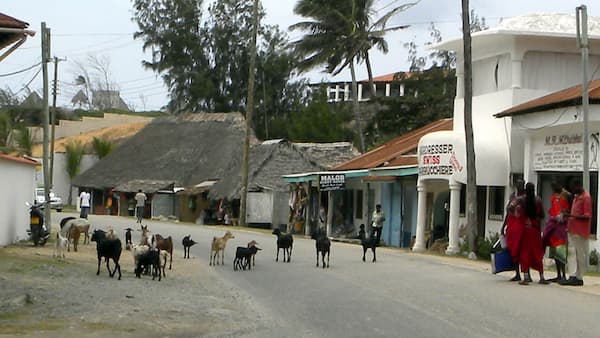
Watamu Town
Watamu Town

Watamu Town Climate and Geography

Watamu’s climate is classified as tropical. The winters are rainier than the summers in Watamu. The Köppen-Geiger climate classification is As. The average annual temperature is 26.0 °C in Watamu. About 1083 mm of precipitation falls annually. Watamu lies on a small headland, between the Blue Lagoon and Watamu Bay. Watamu has a population of around 1900 and it is part of Kilifi County.

Watamu Town History

Haunted cities, forgotten mosques and magical culture Watamu’s history is long and venerable. The vast city of Gedi, now a national monument, was first settled by Arab traders around the 12th century and not abandoned until the 16th century when, as legend has it, everyone left virtually overnight, scattering their treasures as they ran.
But Gedi is not the only remainder of a forgotten civilization – on Temple Point, ringed by ancient baobabs, stands a ruined mosque. And there are more ruins on the utterly unspoilt and rarely visited island of Kirepwe, which lies on the far side of Mida Creek.

Watamu Town

Watamu Town is a small town 20 kilometres or so south of Malindi. The name translates into ‘sweet people’. It lies between Watamu Bay to the north and Blue Lagoon to the south. The stunning Turtle Bay extends south from Blue Lagoon where it meets Mida Creek.
Watamu town itself has grown from a small coastal village into a small ramshackle settlement of huts and buildings. The town has an accelarating growth rate due to the popularity of the area as a great holdiday destination with a growing economy and population.

Watamu Village Life

In the village, there’s a cheery line-up of stalls displaying brilliantly colored fashions, local carvings and vibrant art. Elsewhere there are Italian coffee shops, gelato bars, wine shops, delicatessens and bakeries.
Fishermen sell fish fresh from the sea. The restaurants range from gourmet to simple roadside snack bar. The clientele is cosmopolitan fusion. There are Italian and British residents; there are multi-cultural tourists; and there’s the welcoming mélange of the locals. And the happy-go-lucky air of the place is epitomized by the fact that most people get around either by walking along the beach or taking a gailypainted tuk tuk (motorcycle taxi).

Watamu Town Activities

Watamu’s main industries are tourism and fishing. it has banks, petrol stations, post office, lodges, nightclubs playing latest western and local music, restaurant serving local and exotic dishes, supermarkets, dry cleaners and lively markets places.

The name “Watamu” means “sweet people” in Swahili. The name came from the fact that Arab slave traders used to distribute sweets to entice the local population before taking them as slaves.

People of Watamu Kenya

Watamu is home to the Bajuni people; who trace their descend to the intermarriages between the local Giriama People and the Arab traders. As of now, various tribes from inland Kenya such as the Luo, Kisii, Kikuyu, Kamba, Kalenjin, and Luhyas have all immigrated to the area to work in the Hotel industry. this movement has led to an increase in the population of the Watamu as earlier stated.

Getting to Watamu Kenya

Fly from Nairobi to the coastal city of Mombasa. From Mombasa International Airport you can drive around 90 minutes to Watamu, which is a scenic journey along the coast passing through sisal plantations and crossing beautiful Kilifi creek.

A taxi from there will cost around 6,000 – 8,000 Kenya Shillings. You can also take 45-minute flight from Nairaobi to Malindi airport on coast. Watamu is just 30 minutes from the airport and a taxi from Malindi to Watamu will cost between 2,000 – 3,000 Kenya Shillings .

The Wonders of Watamu Kenya

Escapist, enchanting, and with an indefinable air of having time-warped itself back to gentler days, Watamu beguiles. Standing atop a miniature peninsular, sheltered by the nurturing curve of Mida Creek, it abounds in rocky coves backed only by baobab trees; and shimmering lagoons fronted by three great sweeps of silver sand.

Protected by Kenya’s barrier reef, the water is sapphire-clear and bathwater-warm all year round. Backed by the cool green vaults of the Arabuko-Sokoke Forest and the dreaming ruins of Gedi, Kenya’s most enigmatic 13th century Swahili city, Watamu has it all. There’s action if you want it and the Robinson-Crusoe-life if you don’t.

Watamu Beach

The beaches of Watamu are a favourite nesting site for green, hawksbill, olive ridley and leatherback turtles, and there’s a vibrant Turtle Watch initiative in place – not only to shepherd the baby turtles down to the beach, but also to rescue large turtles caught in the fishermen’s nets. Best time for turtle hatching is: March-October.

Dolphins in Watamu Kenya

Watamu is renowned for its dolphins (Indo-Pacific bottlenose, Indo-Pacific humpback and spinner). Returning year after year to the sanctuary of Watamu, mothers arrive with their calves and males arrive to mate. What’s more, the regulars have been carefully catalogued according to their very personalized fin markings, giving dolphin spotting tours an added dimension. You can also enjoy the rare treat of standup paddle boarding with dolphins.

Whales  in Watamu Kenya

Given that they’re the size of a double-decker bus, a whale-sighting is a perspective-changing experience. And in Watamu, such sightings are commonplace, not least because the whalespotting teams liaise to circulate information as to where the whales are at any given time.
Migratory pods of humpback whales pass by from Southern Africa typically July-September, while the prime whale shark season is usually September-December, but whales are often seen at other times of the year too. Nor do you have to go out on a boat to see these gentle giants – they often ‘breach’ right off the headland – so you can see them from your bar stool.

Dive Experience in Watamu Kenya

It’s a tribute to the brilliance of the Watamu dive experience that people come back year after year to experience it. One visitor admitted to having done 750 dives off Watamu with Turtle Bay Dive Centre. When asked what made him such an unshakeable devotee of Watamu diving, he said it was a mix of friendly dive guides, year-round clear, warm water, and a great selection of 20 world-class dive profiles ranging from cliffs, drop-offs, night dives and wreck dives.

Also good to know is that, whether you’re a learner or a pro, Watamu abounds with exceptionally professional dive-schools. So… dive in.

Watamu Water World

An inspirational water world, Watamu National Marine Park and Reserve showcases the entire water-sports spectrum to perfection: kitesurfing, paddle-boarding, boogie-boarding, snorkelling, sailing – the lot. It also boasts a glorious coral reef with 150 species of coral, 1000 species of reef fish, sea turtle feeding and breeding sites and the additional lure of sightings of manta rays, grouper and barracuda in the deeper waters.

The Midas Touch Watamu Kenya

According to Greek mythology, everything that ancient King Midas touched turned to gold. On the calm stretch of tidal water known as Mida Creek it’s the water that turns liquid gold as one of Kenya’s most stunning sunsets illuminates this secret domain of mangrove swamps and palm trees. For optimum immersion in the gold-painted early evening, take a spin on the creek in a traditional dugout canoe.

Pole-propelled, it can nose its way into the mysterious forest of mangrove roots where ghost crabs flash briefly in the shallows, white egrets roost and grey herons stand as motionless as statues. You’ll meet local fishermen – wading in the creek and crab-hunting with bows and arrows. You may even encounter the Mida rush-hour – a flurry of two or three little white boats packed with laughing local ladies and the odd surfboard with a stool strapped to it – the paddler, more often than not, with his cell phone crammed to his ear.

And as gold gives way to indigo, you can head into the community-run Crab Shack for cold beers and golden-fried crab samosas. The crabs are farmed in the mangrove swamps so they don’t come any fresher; and by sampling the Mida experience you’re supporting the local community. It’s gold-chip eco-tourism.

Bio-Ken Snake Farm Watamu Kenya

Fancy holding a four-foot cobra, and milking it for its venom? Then head for Bio-Ken Snake Farm, just five minutes from the centre of Watamu village. Housing the largest collection of snakes in East Africa, the farm is also a vital source of snake-bite serum. It also makes a great family outing boasting both scare-value and education alike.

EcoWorld – Watamu Kenya

On the sandy track that leads from Watamu to Mida Creek is a miracle. It’s called EcoWorld. And it’s deliciously, inspirationally whacky. On one side of the road is an enormous pile of plastic refuse, on the other a stockade made of plastic flip-flop sandals. Venture inside and you enter the utterly surreal world of Watamu’s revolutionary recycling industry.

Fuelled by the refuse washed up on the beaches and by the vast amount of plastic and glass bottles generated by the local hotels, the EcoWorld team created everything from construction blocks (plastic bottles filled with sand), bottle-bottom bricks, art made from washed-up toothbrushes – to toys made from recycled flip-flops, charcoal made from crushed coconut shells and cooking gas made from rotting vegetables.

But the miracle doesn’t stop there – the EcoWorld ‘blue team’ keep the beaches clean, the local hotels cook on the methane gas generated by their own kitchen waste, and the compost left over from the biogas generators grows luxuriant bunches of basil which fuel the local pizzas.

An award-winning, benchmarksetting, and superbly-symbiotic relationship between the local community and tourism industry, the EcoWorld model is so successful that it’s being mirrored all over Kenya and the world. Visitors are welcome and the gift shop (itself constructed entirely from bottles) is a treasure trove of ecologically-sound gifts.

Things to do and Places to Visit in Watamu Town

Watamu Marine National Park

Tourists Attractions in Watamu Kenya

The best reason for getting out of the boat, your clothes and yourself are the coral reefs and abundant fish, which characterise the marine life of Watamu. Hire a glass-bottomed boat (at least for the sake of the person on board – who wants to simply peer at the wonder of the ocean, without moving a muscle). But abandoning the safe ship of paradise, generates the most reward.

Watch the sunset from the dhow or catch a glimpse of East African birds. Photo: Mail Today
Snorkelling in these waters, I’m just kissing distance away from a litany of brain, fan and sponge coral, which provide the required nutrition and shelter for a plethora of fish life. In the distance, pods of dolphin frolic. Close at hand, a stingray glances at me, as I admire the variety of fish – parrotfish and starfish, angelfish and moray eels – dancing around me in playful abandon.

Gede Ruins And Museum

Tourists Attractions in Watamu Kenya

Mysterious and beguiling are adjectives frequently bandied about, when describing this ancient site of medieval Swahili-Arab settlement. Not least because, many of the stories of this vast complex of crumbling coral-brick houses, palaces and mosques – are still unknown.
The guide points out the differences in living conditions between the elite and the lower echelons – in terms of the material used in building construction (stone versus mud), for starters.

Gede was clearly an advanced city – evidenced in the layout of the streets, and the facilities of running water and drainage. Archeological finds of Chinese vases and Venetian glass and even an Indian lamp, throw light on its robust trade relations. The surrounding National Park houses a museum – which has a permanent display of Swahili Culture.

While the artifacts on display inside are illuminating, it’s the call of the hornbill and the desire to spot the golden rump elephant shrew that makes me want to linger.

Gede Snake Park

Tourists Attractions in Watamu Kenya

There is distinct pleasure in sharing an experience of wildlife, with people who know a great deal more about it than you do. And Mr Shadrack who manages the Snake Park within the precinct of the Gede ruins clearly inhabits that spirit. Shadrack says he doesn’t use gloves while handling the snakes, because he wants to be as gentle with them as possible.

Under his watchful gaze he let’s me handle one of the non-poisonous. In this controlled environment, it’s easy to want more time with these sinuous creatures, understand how their milk is used to make anti-venom for local communities, and the importance of preservation of snake-habitats.

Kipepeo Butterfly Project

Tourists Attractions in Watamu Kenya

In Watamu, where it’s common to find an institution dedicated to the care of turtles, or a man passionate about snakes, it comes as no surprise that just a few paces from the snake farm, is the Kipepeo Butterfly Project. Here as elsewhere, are signs on the wall – signaling the need to establish a link between conservation and livelihood.

With the zeal of an evangelist, the guide talks us through a series of carefully curated exhibits (with butterflies fluttering overhead) on how forests can provide local communities with unexpected sources of income. This local community for instance produces nature-based products of silk cloth and honey. The Orange Dog Butterflies locked in passionate embrace in the garden, seem to be acknowledging this sentiment.

Dhow Cruise On Mida Creek

Tourists Attractions in Watamu Kenya

Mida Creek has earned its stripes as a UNESCO biosphere reserve. This 32-sq km tidal estuary, lined with mangroves and beaches, is as pretty as an ornamental placemat. A good way to experience the mangroves – is to travel down Mida Creek on a traditional Arab Dhow.
Medina Palms, a good stay option while you’re in Watamu, not just for its plush accommodation that includes sea-facing villas, but also for the activities it helps organize – everything from golf to turtle-sanctuary visits – organizes a Sunset dhow cruise.

The cocktails are so abundant that chances are you’ll end up skipping dinner. If you’re not peering through the binoculars on board, marveling at the not-sohard-to-see brigade of colourful East African birds or admiring the sky fade into sunset colours, you’re simply reclining on deck, cocktail in hand, letting the serene beauty seep in.

Watamu Beach

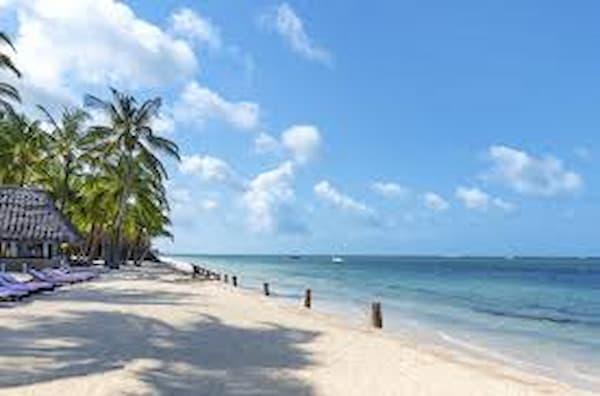
The shoreline in the area features white sand beaches and offshore coral formations arranged in different bays and beach: Garoda Beach, Turtle Bay, Blue Lagoon Bay, Watamu Bay, Ocean breaze, and Kanani reaf and Jacaranda beach.
They are protected as part of the Watamu Marine National Park. The Marine Park is considered one of the best snorkelling and diving areas on the coast of East Africa. It is also rated the third best beaches in Africa, for it crystal clear water and silver sand beaches.
In order to assist the managing authorities namely Kenyan Wildlife Service, in protecting the Park, local community groups, the tourist sector and environmental groups have formed a unique organisation,Watamu Marine Association Members of this group are Turtle Bay,Hemingways,Ocean Sports , Arocha Kenya,Lonno Lodge Mida Community Conservation group, Watamu Boat Operator, Safari Sellers and women’s group
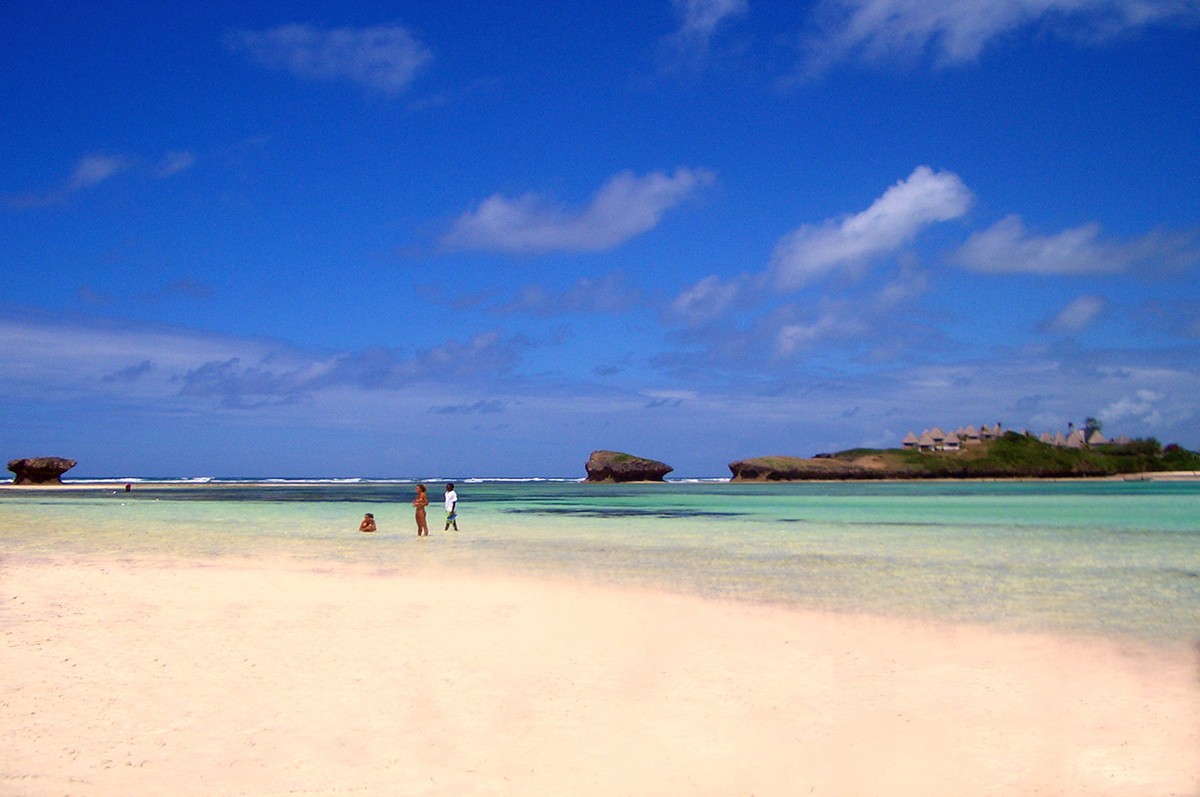
watamu beach
watamu beach

Hotels in Watamu Kenya

And when it comes to accommodation, Watamu Kenya has it all: 5 star resorts, family resorts, eco resorts, apartments, simple guest houses and safe and secure camping. Here are some of the hotels in Watamu Kenya

Places to stay in Watamu 

Temple Point Resort

Category: Hotels in Watamu Kenya

Temple point resort is situated in the middle of the Watamu Marine National Park. They offer the most comprehensive collection of sports and leisure activities in all of Kenya. They have a restaurant that offers international cuisine.
For further information please visit: Temple point resort

Watamu Adventist Beach Resort and Campsite

Category: Hotels in Watamu Kenya

Managed by the Seventh Day Adventist Church, Watamu Adventist Beach Resort and Campsite offers conferences, seminars and retreats. The resort is located on Watamu Beach and many of its rooms have sea views. The resort is an alcohol and smoking tree zone
For further information please visit: Watamu Adventist Beach Resort and Campsite

Sun Palm Hotel

Category: Hotels in Watamu Kenya

Sun Palm Hotel is a small resort with a selection of facilities and activities on the main road in Watamu.Activities include horse riding and water sports. There is also a beach volleyball court and a pool table. Kamele Tours and Safaris has an office at reception, and can book tours, excursions and safaris to destinations in Kenya‘ Local sites of interest include Arabuko Sokoke Forest, Gede Ruins Mida Creek, Kipepeo Butterfly Project and the Snake Farm.
For further information please visit: Sun Palm Hotel

Watamu Villas

Category: Hotels in Watamu Kenya

Watamu Villas  is a collection of self-catering villas available for rent on a long or short~term basis. The villas are whitewashed, with red tiled roofs. Flower-lined paths weave between the villas.In the centre of the garden is a swimming pool, surrounded by sunbathing terrace.  Local sites of interest include Watamu Beach, the Gede Ruins, Kipepeo Butterfly Project and the Snake Farm.
For further information please visit: villas Watamu

Savannah Restaurant and Bar

Category: Hotels in Watamu Kenya

Savannah is a lush garden with an attractive restaurant and bar, and self-catering bandas.The open sided restaurant is surrounded by flowers, succulents and driftwood art. Murals of trees stand out from whitewashed walls. The terrace is furnished with tables and chairs and shaded by umbrellas.
For further information please visit: Savannah Restaurant and Bar

Turtle Bay Watamu

Located in Watamu in the region of Coast, 13 miles from Malindi, Turtle Bay Beach Club features a playground and sun terrace.Turtle Bay was chosen as a Best All Inclusive Hotel in Africa by TripAdvisor® in its 2012 Travelers’ Choice® awards. Now in its tenth year, the annual TripAdvisor Travelers’ Choice awards honor the world’s best hotels, earning their distinction from those who know them best – real travelers.

Watamu Cottages

Relaxing romantic well equipped beach cottages situated right on the beautiful beach of Watamu.

  • We offer three well appointed, air-conditioned, self catering holiday cottages situated and a luxury Banda on a lovely beachfront property.
  • Each cottage has two bedrooms, both with bathrooms ensuite; a fully equipped kitchen and a lovely patio to lounge away lazy afternoons.
  • We will organise a personal cook to prepare all your meals – a real holiday treat!
  • The three cottages all face onto a sparkling blue pool – perfect to cool off after a hot day down on the beach.
  • This is an ideal destination for beach lovers looking for a family vacation or a romantic getaway.
  • There are various activities to keep you occupied – Fishing, Kite surfing and Dhow cruises; a good choice of bars and restaurants to explore. All in close proximity to our property.

Ocean Sports Watamu

The Ocean Sports Resort is a laid-back, easy-going accommodation for your non-frill beach vacation in Kenya, and if you are planning a family holiday on Watamu Beach with AfricanMecca, the location of this hotel or the nearby Turtle Bay Beach Club is an ideal spot to build a lifetime of bonded memories without having a mass of tourists on the beach when compared to the seashores of Mombasa.

Couples visiting on their modest honeymoon or cushy solo travelers will love the natural beauty of the powder white sands, turquoise waters of the Indian Ocean and resplendent tropical greenery. This seaside hotel offers you good value for money with basic amenities and friendly, attentive service. The hotel is a sprawling property laid over an area of six hectares of carefully landscaped gardens with blooming flowers that turn it into a riot of color all year around.

Other Hotels in Watamu Kenya

  • Kobe Suit Resort
  • Mawimbi Lodge Hotel
  • Mawe Resort Watamu Boutique Hotel
  • Medina Palm
  • Seven Islands Resort
  • Jumbo Watamu
  • Watamu Tropical Resort
  • Ocean Sports Resort
  • Temple Point Resort
  • Jacaranda Beach
  • Barracuda Inn Resort
  • Gecko Resort

Night Clubs and Nightlife in Watamu Town

  • Turtle Bay Beach Club
  • Villas Watamu Resort
  • African Sun Resort
  • Come Back Club Watamu
  • The Charming Lonno Lodge
  • Sun Palm Beach Resort
  • Watamu Palm Beach
  • Aquarius Club International Resort

Watamu is in which County?

Watamu is a town in Kilifi County. It’s approximately 105 km north of Mombasa and 14–17 km south of Malindi.

Where is Watamu located?

Watamu Beach is located in Watamu, a small town on the Indian Ocean coast of Kenya.

Is Watamu safe?

Watamu Beach is completely safe for visitors. Most travel advice for Kenya will indicate that you stay away from the Somalian border and nearby coast, but Watamu is a notable distance away from this area
Filed Under: Tourist Attractions in Kenya, Towns Tagged With: Famous Towns in Kenya

Malindi Town Guide: History, Attractions, Hotels, and Economic Activities

February 17, 2010 by Robert Njora

Malindi Town

Malindi is a town on Malindi Bay at the mouth of the Sabaki River, lying on the Indian Ocean coast of Kenya. It is 120 kilometers northeast of Mombasa. The population of Malindi was 119,859 as of the 2019 census. It is the biggest urban center in Kilifi County.

Malindi Town Photo
Malindi Town

A Guide to Magical Malindi

Malindi doesn’t just have a blissful climate, beautiful beaches and a brilliantly bustling vibe; it’s also got style, chic and a hot, hot, HOT nightlife. No wonder, it’s had over six centuries to perfect its exclusive take on sun, sand, and scintillation. Mentioned in one of the world’s first ever travel guides, written by traveler and historian Abu al Fida (1273-1331), Malindi has been attracting the world’s glitterati since the 13th century, when it had already established itself as the ‘go to’ resort of the East African coast.

In 1414, the Chinese explorer, Zheng He, anchored his fleet off the town and such was his rapport with the locals that they gave him a giraffe as a gift. Next came Vasco da Gama in 1498. It was the first place he visited in Africa – and he liked it so much that not only did he rush back there on his return from India, but he was also very keen to sign an exclusive trading agreement with its ruling sheik.

By 1498, Malindi was booming. It had a wealthy ruling Arabic class, a heady mix of Indian, Chinese and African merchants and markets full of hedonistic treasures. By 1499 the Portuguese had joined Malindi’s fan club, establishing a trading hub there, and by 1861 the Sultan of Zanzibar had made Malindi his slave-trading capital. By 1890, the British had taken over and abolished slavery. But everyone still wanted a piece of the magical Malindi action.

In the 1930s Malindi was in the news again, this time as the preferred haunt of writer and celebrity Ernest Hemingway, who famously drank gin at the Blue Marlin hotel and fished for marlin in the blue waters of the bay. In the 1950s Malindi boasted a number of fashionable hotels, many of them built by Europeans returning from the war, and was the preferred holiday resort of the British colonials.

And then, in 1964, a small group of Italian scientists arrived in Malindi to establish the San Marco Space Research Centre. And so enchanted were they by the intoxicating mix of sun, sea and Swahili style that most of them never left. Soon word of this enchanting Swahili town had drifted back to Italy and, throughout the 1970s, the Italians flocked to the place (swiftly followed by the rest of the fashionistas of Europe).

The Italians, however, liked Malindi so much that they christened it ‘Little
Italy in Africa’ and today 30,000 Italian tourists visit the town per annum, 1,500 Italians live there permanently, there are over 50 Italian owned hotels and resorts in the place, and it is regularly visited by Italian billionaires, beauties, celebrities and politicians alike.

It even has its own Italian Consulate. So no wonder then, that the pizzas in Malindi are the finest you can get outside of Italy, that the streets are studded with superb Italian restaurants, that the prosecco starts popping late morning, that the gelati are as good as you’ll get outside Rome; and that the style on the street is Malindi meets Milan.

Malindi Town Climate and Geography

The weather in Malindi Kenya is generally hot and humid throughout the year. The long rains come from April to July and the short rains from October to November. The mean daily temperature is around 22o Celsius minimum and 30,5o Celsius maximum.

The summers are short, hot, and primarily cloudy; the winters are warm, dry, windy, and partly cloudy; and it is oppressive year round. Over the year, the temperature generally varies from 73°F to 89°F and is rarely below 71°F or above 91°F.

Malindi Town History 

Malindi Kenya has been a Swahili settlement since the 14th century. Once rivaled only by Mombasa for dominance in this part of East Africa, Malindi has traditionally been a port city for foreign powers. In 1414, the town was visited by the fleet of the Chinese explorer Zheng He. Malindi’s ruler sent a personal envoy together with a giraffe as a present to China on that fleet.
The Portuguese explorer Vasco da Gama met Malindi authorities in 1498 to sign a trade agreement and hire a guide for the voyage to India when he erected a still existent coral pillar. In 1499 the Portuguese established a trading post in Malindi which served as a resting stop on the way to and from India. A church dates from this era.

The pillar stands to this day, though there have been calls by conservationists to take care of the pillar since soil erosion might make the pillar fall into the ocean. Many traditional buildings survive, including the Juma Mosque and palace on the beach, a stretch popular with tourists.

Economic Activities in Malindi Kenya

Tourism is the main industry in Malindi. Prominent heritage sites include the Vasco da Gama Pillar, the Portuguese Chapel, the House of Columns, and the Malindi Museum Heritage Complex. Malindi is served by a domestic airport and a highway between Mombasa and Lamu. The most significant economy outside Malindi Township is agriculturally based. Besides these, there are some fisheries activities, manufacturing and commerce, and trade.

What’s to see and do in Malindi? Plenty…

Swahili style

Bright, bustling and intensely Swahili in character, Malindi has restaurants, bars, boutiques, craft markets, carving centers, and more. It also features a number of 13th-century Portuguese monuments, the distinctive Juma mosque, and pillar tombs, a number of fascinating curio shops and a working fish market. There is also a reptile park, falconry center, horse-riding center, and the Malindi Golf and Country Club.

Hot Nightlife

Thanks to its cosmopolitan air and young and fashionable clientele, Malindi has a reputation for the vibrancy of its nightlife, which centers on a superb selection of live music venues, clubs, discos, casinos, and bars – each of which is defined by its own very distinctive character. The action starts early and finishes late – very late, and the cocktails are legendary.

Mecca of the big game fishermen

Malindi is the venue for the most prestigious of Kenya’s big game fishing tournaments. Typically taking place between October and February, they attract anglers from all over the world, all of whom come to do battle with such giants of the deep as; marlin, reef shark, barracuda, manta ray, tuna, and sailfish.

Beach life

Malindi’s beaches are exquisite, attracting sun worshippers from all over the world. Standing on a panoramic sweep of the bay where surfing is possible all year-round, Malindi boasts numerous water-sporting schools and 13 superb dive sites.

Coral gardens and whale sharks

The famous Watamu Marine Park and Reserve shelters a wide variety of tropical coral and marine life (leaf fish, frogfish, octopus, crocodile fish, angel and butterfly fish, groupers, barracuda, white-tip reef sharks, manta rays, whale sharks and dolphins).

Places to Visit in Malindi Kenya

In the unlikely event that you run out of things to do in Malindi – there are plenty of places to visit within easy reach. Such as:

Hell’s Kitchen

A vast cauldron of streaked ochre and gold, simmering-hot in the heat of the day and glowing a magnificent dull gold as dusk falls, Hell’s Kitchen, or to give its official name, the Marafu Depression, lies a half-hour drive out of Malindi town. Known by the locals as the place that broke itself, this very perceptive title reveals an ancient race memory. Once upon a time, it seems, this area was an unusually soft sandstone escarpment but over the centuries it was eroded by wind, rain and crashing torrents of water until it came to resemble a miniature Grand Canyon.

Now its towering rock chimneys and its deeply gouged sides give it the appearance of a soot-streaked giant’s cooking pot. Owned by the local community, Hell’s Kitchen makes a fascinating side trip from Malindi and there are guides on hand to show you around. But be warned: if you go during the heat of the day, you’ll find out exactly why it’s known as Hell’s Kitchen.

Arabuko Sokoke Forest Reserve

The largest tract of indigenous coastal forest remaining in East Africa, this cool green shaded realm is famous for its 240 species of birdlife, its butterflies and its
nature trails. It is also world-renowned as the home of the rare golden-rumped elephant shrew.

The mystique of Mida Creek

A place of mysterious mangrove forests, startling birdlife, stunning sunsets, and secret creeks, Mida Creek offers canoe trips, bird spotting and a trail-blazing eco project in support of the local Giriama people.

The ghostly glamour of Gedi

Easily the most fascinating Swahili settlement in East Africa, a visit to the haunted city of Gedi is not to be missed.

How To Get Malindi Town

Malindi is easily accessible by road from the city of Mombasa which located 120 kilometers away. The Mombasa-Malindi highway is well maintained and a very busy road with traffic comprising personal cars, public transport “matatus” and commuter buses. Tour vans are also common features on the road, transporting tourists to and from Mombasa hotels and other locations.

Located some 10.5 km west of Malindi town is Malindi Airport, a domestic airport that receives both scheduled and chartered flights from Mombasa International Airport in the city of Mombasa, Jomo Kenyatta International Airport in the capital Nairobi and domestic Wilson Airport also in Nairobi.

Like most towns in Kenya, Malindi has a good number of taxis and motorcycles locally referred to as “Boda Boda” that are good for short distances. The motorcycle taxis are very useful for short trips like venturing deep into areas of interest not easily accessible by vehicles. 14-Seater public transport vehicles locally known as “Matatu” are also available. These operate on specific roads that link Malindi town.

Being a major tourist destination, the town is not short of cars for hire. Major car hire companies in Kenya have their offices in the town. The majority of tourists who visit Malindi mainly get around via pre-arranged travel packages offered by tour companies.

Night Clubs and Nightlife in Malindi Town

Malindi, Kenya, has some great nightlife and entertainment to chose from. tripwolf helps you find the best nightlife and entertainment in Malindi. Below are the best party nightlife

  • Casino Malindi
  • Stars and Garters
  • Stardust Club
  • Palm Garden
  • Club 28
  • Fermento Disco Bar

Accommodations and Hotels in Malindi Kenya

Kivulini Beach Resort

Category: Hotels in Malindi Kenya

Kivulini Beach Resort is situated in a 4 hectare garden on the beachfront of Mayungu, not far from Malindi. The resort has panoramic views of this private beach, which is accessed by steps leading down from the gardens of the resort. The camp is operated by the Italian-based Ora Hotel Group.

There are 36 en-suite rooms. All rooms have aircon, fan, telephone, minibar and satellite TV with international and Italian channels. The restaurant, with views across the bay, serves buffet breakfast, lunch, and dinner.
For further information please visit:

Scorpio Villas

Category: Hotels in Malindi Kenya

ln 3 acres of tropical gardens, Scorpio Villas offers accommodation in a collection of villas that blend Lamu style with African decor. The villas are located 2 km from Malindi town center making them convenient for visitors who want to experience the shops, restaurants, bars, and casino of Malindi.

African Pearl Hotel

Category: Hotels in Malindi Kenya

Afrika Pearl and Spa is a beautiful Diani Beach Hotel in the South Coast of Kenya with a fantastic large sand beach and a well-maintened garden next to lush forest and breathtaking view of the ocean. Our ocean-facing rooms have a stunning ocean view, just 15 meters from the beach, fully equipped with a private terrace designed to provide maximum well-being and relaxation.

They offer comfort et refinement in order to cultivate a relaxed and intoxicating atmosphere. It’s also a perfect place for families. Your kids feel like home in our well-equipped kids’ club, under the care of our knowledgeable personnel. The atmosphere is amazing, an invitation for idleness and well being.

Kilili Baharini Resort & Spa

Category: Hotels in Malindi Kenya

In beachfront gardens on Malindi Beach, Kilili Baharini Resort and Spa is an exclusive resort, offering luxurious relaxation.
There are 29 en-suite rooms, 4 suites, and 2 junior suites. Ali rooms have aircon, fan, minibar, safe, telephone and mosquito net. They are tastefully furnished in Swahili style, and adorned with African artifacts and exquisite fabrics‘ There are 5 swimming pools; Ali rooms open onto 1 of the pools and have their own private veranda on which breakfast is served.

Sai Eden Roc Hotel

Category: Hotels in Malindi Kenya

Standing in a 38 acre tropical garden with direct access to the miles along Malindi beach is Sai Eden Rock Hotel. The location is unique, combine a beach vacation with all the amenities of the historical coastal town of Malindi and easy access to Tsavo East National Park. On Saturday night, there is a Kenyan barbecue, with nyama choma grilled meats. The Dhow Grill Restaurant has an a la carte menu. There is also a lounge bar, pool bar, beach bar, open-air disco, and nightclub.

Lion in the Sun Resort

Category: Hotels in Malindi Kenya

The sun considered the life-giver, and the lion, considered a force of nature, were chosen to give their names to this luxury resort. Resort’s concept is open spaces, freedom, unique environment, complete relaxation, and self-discovery. Arab and Indian influences fuse in the architecture.
There are 7 suites, 7 superior rooms and 2 singles in the main building and 4 annex structures. Each room is uniquely designed; each artifact and decoration has been individually chosen. The spacious suites are intended for privacy and relaxation. The superior rooms have views of the gardens and private pool. For the utmost privacy, the resort can be taken exclusively.

Diamonds Dream of Africa Resort

Category: Hotels in Malindi Kenya

Diamonds Dream of Africa, where the enchanting force of nature melds with the exotic Indo-Arabic architecture to create a hypnotic charm, which, in Swahili, is known as bembeleza.
Thanks to our all-inclusive formula you will be able to enjoy every second of your holiday without any thought, pampered by our professional staff that is ready to satisfy all your desires.

Sit yourself down on the Balinese armchairs on your room’s terrace and listen to the sound of the wind and the rustling of the palm trees, enjoy the music of the waves, and let your heart dance in silence: your dream of total relaxation is finally a reality.

Lawford’s Hotel

Category: Hotels in Malindi Kenya

Lawford’s is one of the oldest and loveliest hotels in Malindi. It was renovated in 2006 and combines old English style, African atmosphere, and Italian hospitality. The resort is in a large tropical garden that extends along Malindi’s beachfront.
There are 60 suites, made up of 50junior suites and 10 executive suites. All suites have aircon, mosquito net, hairdryer, TV, DVD, minibar, dining table, and large private veranda.

Twiga Hotel

Category: Hotels in Malindi Kenya

Twiga Hotel, on the beachfront, faces Sardinia Two coral atolls, which appear and disappear with the movement of the tides. The hotel is operated by the ltalian—based Ora Hotel Group.
There are 64 en—suite rooms, made up of 38 standards, 24 superior and 2 ocean view. The rooms, built in Arabic style, are all within sight of the Indian ocean.

Each room has a desk, cupboard, and balcony, and is equipped with aircon, luggage holder, TV, safe, fridge, kettle and hairdryer, interconnecting rooms, suitable for families, are available.

Seaview Resort

Category: Hotels in Malindi Kenya

Set in mature tropical gardens and natural indigenous forest, Seaview Resort is on the beachfront of Malindi. The resort offers sel-catering accommodation as well as a restaurant. The Bahari Stables are home to highly trained horses that are available for rides both in the forest and on the beach.

Education Institutions in Malindi Town

  • Malindi Institute of Business Studies
  • Nusra Technical Training Institute
  • Malindi Education and Development Association MEDA
  • Malindi College of Accountancy
  • Mombasa Aviation Training Institute Malindi Campus
  • Royal Beauty College
  • Jusnet Business Institute
  • Bluewaters Institute of Professional Studies – BIPS
  • DALC Education Malindi Campus
  • Hospitality & Hotel Management Institute
  • Barani Secondary School
  • Malindi High School
  • Malindi Progressive Academy Secondary School
  • Malindi Premier School
  • jilore malindi
  • Malindi Little Angels Junior School
  • Malindi Kings Academy
  • Little Angels
  • Kingsway Junior Academy
  • Tarasaa Secondary School
  • Marafa Secondary School
  • Jilore Secondary School
  • Galana Secondary School
  • Twheed Girls Muslim Academy
  • The Silversands Academy
  • Malindi Academy

Malindi is in which County?

Malindi Constituency is an electoral constituency in Kilifi County, Kenya.

What is Malindi known for?

Malindi is known for its white sand beaches, coral reefs, and rich history.

Malindi town places to visit

  • Falconry Of Kenya Ltd
  • Ndoro Sculpture Garden by appointment only
  • Vasco da Gama Pillar

Filed Under: About Kenya, Towns Tagged With: Famous Towns in Kenya

Lamu Town Guide: Climate, Economy, Islands, and the Magic of Lamu

February 16, 2010 by Robert Njora

Lamu Town

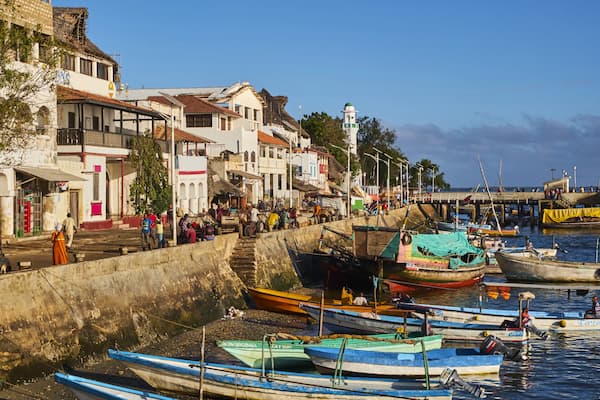
Lamu or Lamu Town is a small town on Lamu Island, which in turn is a part of the Lamu Archipelago in Kenya. Situated 341 kilometres (212 mi) by road northeast of Mombasa that ends at Mokowe Jetty, from where the sea channel has to be crossed to reach Lamu Island, it is the headquarter of Lamu County and a UNESCO World Heritage Site.

The town contains the Lamu Fort on the seafront, constructed under Fumo Madi ibn Abi Bakr, the sultan of Pate, and was completed after his death in the early 1820s. Lamu is also home to 23 mosques, including the Riyadha Mosque, built in 1900, and a donkey sanctuary.

Lamu Town
Lamu Town

Lamu Town Climate

The weather in Lamu Kenya is generally hot and humid throughout the year. The long rains come from April to July and the short rains from October to November. The mean daily temperature is around 22 degrees Celsius minimum and 30 degrees Celsius maximum.

Economic Activities in Lamu Town

Fish farming in Kenya and tourism has been the most important economic activity for Lamu. Mangrove export, commerce, traditional maritime activities, traditional woodcarving have provided a stable economic base for the growth of the town. Other economic activities include handicrafts such as making of kofias (traditional embroidery swahili hat), agriculture and carpentry.

History of Lamu Kenya

Lamu was established on its present site in the fourteenth century but there have been people living on the Island for even much longer than that. The fresh water supplies beneath Shela made Lamu Island very attractive to refugees from the mainland and people have been escaping here for 2000 years or more – most recently in the 1960s when Somali secessionists and cattle raiders caused havoc.

It was also one of the earliest places on the coast to attract settlers from the Persian Gulf. There were probably people from Arabia and southwest Asia living and intermarrying here even before the foundation of Islam. Lamu Kenya is something of a myth factory – classical as well as popular. Conventionally labeled “an old Arab trading town”, it is one of the last viable remnants of the Swahili civilization that was the dominant cultural force all along the coast until the arrival of the British.

In the late 1960s and early 1970s, Lamu’s unique blend of beaches, gently Islamic ambiance, funky old town, and population well used to strangers, was a recipe which took over where Marrakesh left off. It acquired a reputation as Kenya’s Kathmandu: the end of the (African) Hippie trail and a stop-over on the way to India. Lamu town itself is unendingly fascinating to stroll through. with few monuments but hundreds of ancient houses, arresting street scenes, and cool comers to sit and rest.

And the museum is exceptional, outshining all Kenya’s others but the National Museum in Nairobi. Initially confusing, Lamu is not the random clutter of houses and alleys it appears. Very few towns in Africa have kept their original town plan so intact (Timbuctoo in West Africa is another) and Lamu‘s history is sufficiently documented, and its architecture well enough preserved, to give you a good idea of how the town developed.

The division is between the waterfront buildings and the town behind them, separated by Usita wa Mui, now Harambee Avenue. Until around I830, this was the waterfront, but the pile of accumulated rubbish in the harbor had become large enough by the time the fort was finished to consider reclaiming it; gradually, those who could afford to build on it. The fort lost its pre-eminent position and Lamu, from the sea, took on a different aspect, which included Indian styles such as arches, verandas, and shuttered windows.

Behind the waterfront, the old town retained a second division between Mkomani district, to the north of the fort, and Langoni to the south. These locations are important as they distinguish the town’s long-established quarter (Mkomani) from the still-expanding district (Langoni)where traditionally newcomers have built their houses, often of mud and thatch rather than stone or modern materials. This north/south division is found in most Swahili towns and reflects the importance of Mecca, due north.

Lamu Town Museum

The museum has restored an eighteenth century house (the House Museum) to approximately its original appearance. Lamu‘s stone houses are unique, perfect examples of architecture appropriate to its setting. The basic design is of an open, topless box enclosing a large courtyard, around which are set inward-facing rooms on two or three floors. These rooms are thus long and narrow, their ceilings supported by close-set timbers or mangrove poles (boriti).

Most had exquisitely carved doors at one time, though in all but a few dozen homes these have been sold off to pay for upkeep. Many also had zidaka, plaster-work niches in the walls to give an illusion of extended space, which are now just as rare. Toilet arrangements are ingenious, with fish in the large water systems to eat the mosquito larvae. On the top floor, a makuti roof shades one side. In parts of Lamu these old houses are built so close together you could step across the street from one roof to another.

The private space inside Lamu‘s houses is inseparable and barely distinguishable from the public space outside: the noises of the town – donkeys, mosques, cats – percolate into the interiors, encouraged by the constant flow of air created by the narrow coolness of the dark streets and the heat which accumulates on upper surfaces exposed to the sun. There’s an excellent display of Lamu‘s architecture at the museum in Nairobi.

The one place everyone goes on Lamu is, of course, the beach; Lamu‘s beach is the real thing. Unprotected by a reef, the sea here has some motion to it for once: it is one of the few places on the coast where, at certain times of the year, you can bodysurf. You can either walk down to Shela Beach (about an hour) or you can take a motorboat or dhow.

The Magic of Lamu

Lamu confounds. The most hardened of travel writers, the most extensively traveled of tourists, and the most hedonistic of the glitterati are all rendered speechless by Lamu. Or cliché- bound. Because Lamu is exactly as described on the label. It’s enchanting, unbelievable, spellbinding, and addictive. From the moment of landing at its tiny toy-town airport, you know you’re in trouble.

The breeze caresses, the sea is wrap-around, the sky is lapis lazuli blue, and the people walking out across the tarmac to board the little plane you’ve just left are enchanted. They’re golden, white-clad, barefoot, and beaming. Some have hibiscus blossoms in their hair. And they don’t want to leave. Nor will you.

The Lamu archipelago is an Alice Through the Looking Glass world where everything is magically muddled. There aren’t any streets, just a maze of winding alleys. There aren’t any cars, just barrel-bellied donkeys ridden by bow-legged men in white dishdashas and pork pie hats.

There aren’t any sleek hotels, just blindingly-white Swahili mansions festooned in fuchsia-pink bougainvillea. There are no plush foyers, just huge carved doors swinging open to reveal cool, green Persian gardens. There are no supermarkets, just cavernous emporiums displaying hessian sacks of spices, cones of sugar, and glass cabinets stuffed with an eclectic collection of 1920s hairnets, henna, and hookah pipes.

The Mystique of Lamu

The ladies are veiled; the men wear wrap-around kikois rather than trousers. The children patter on bare feet through the alleys, and the old men gather to play dominoes in the crumbling medieval squares. Egyptian cats with huge ears and fathomless eyes prowl the streets: it’s said they are descended directly from the tomb cats of the pharaohs.

In the evening, you can hire a camel and set off for cocktails in the dunes. In the morning you can run on a deserted beach. At night, the sky is a spangle of stars. By day, you can swim in pellucid waters, board a dhow for a distant island, take a slow boat through the mangrove swamps, or mine the treasure trove of dark, dusty emporiums.

Facts About Lamu

The Lamu Archipelago is a cluster of hot low-lying desert islands running for some 60 km parallel to Kenya’s northern coastline. It comprises Lamu Island, Manda Island, Pate Island, and Kiwayu Island. Established in 1370, Lamu Town is Kenya’s oldest continually inhabited town. Throughout history, it has been influenced by the Arabs, the Portuguese, the Omanis, the Germans, the Sultan of Zanzibar, and the British.

And a dash of all of these influences has remained: the result is an exotic mélange that is both unique and entrancing. Now a UNESCO World Heritage site, Lamu is both a living museum and a flourishing community. Profoundly Muslim, the town echoes the wail of the muezzin calling the faithful to prayer, while the bustle of the markets, the squares, the waterfront, and the alleyways reflect a way of life virtually unchanged for centuries.

What to see in Lamu Kenya

Lamu Museum

Housed in a grand Swahili warehouse on the waterfront this dusty old museum provides an excellent insight into Swahili culture.

Lamu Fort

Built by the Sultan of Pate in the 1800s, this squat castle holds the island’s library and Swahili poetry collection.

Lamu Market

Atmospheric and chaotic this is the place to buy fresh fish, fruit, vegetables, and spices.

Swahili House

Visit this perfectly preserved mansion for the full-on flavor of Swahili life.

Lamu Donkey Sanctuary

A man without a donkey IS a donkey or so says the Swahili proverb and this sanctuary is devoted to giving sanctuary to some 3,000 donkeys that can no longer work.

Shela

An enchanted fishing village with 12 km of pristine beach.

The German Post Office Museum

Built by the German East Africa Company in the late 1800s, this is now a photographic museum covering the brief period of German rule.

Kipungani in Lamu

A place of dreamy beaches and the centre for dhow building and palm-mat weaving.

Manda Island Lamu

A short boat hop from Lamu, this is a place of dunes and mangroves, and also the fabulous Takwa Ruins, all that remains of a glorious 15th-century city.

Pate Island Lamu

A forgotten Swahili world, also the site of Shanga the world’s most complete example of a medieval Swahili town.

Kiwayu Island Lamu

Remote, pristine, and romantic, Kiwayu lies at the far northeast of the archipelago and has a reputation for causing all its visitors to fall hopelessly in love.

The Kiunga Marine National Reserve

A pristine string of 51 rugged coral isles, ringed by rainbow coral reefs, Kiunga promises wheeling seabirds, rare turtles, magical dugongs, and an underwater world of unbelievable color, discovery, and vibrancy.

Lamu Culture Shop

Unique buys include carved furniture, Arabian antiques, copper lanterns, handmade jewelry and exotic fashions.

What to do in Lamu

A place of clear blue perennially warm waters, Lamu is a water lover’s paradise: choose from snorkelling, diving, numerous watersports and dhow trips to deserted sand spits. It’s also a great place for walking the dunes and beaches or camel riding.

Lamu Festivals

Lamu excels in festivals; the most famous is Maulidi, which features dhow races, donkey races, poetry, theatre, and an extravaganza of food. There is also a Cultural Festival, an Art Festival and a Yoga Festival.

Lamu Cuisine

An extravagant fusion of Arabic and African, Swahili cuisine is a sublime blend of impossibly fresh fish, coconut, lime, spices, and rice with plenty of fabulous fruit juices and spiced Arabic coffee.

Accommodation and Hotels in Lamu Kenya

Garden House

Category: Hotels in Lamu Kenya

Garden House is situated on the edge of Shela Village, near the sand dunes that fringe the village. At the corner of a walled garden, this graceful house is shaded by neem trees that attract plentiful birdlife. The house is furnished with traditional Lamu furniture and adorned with local artifacts. There are 2 en-suite double rooms and 1 en~suite twin. The ground floor has a dining room and seating area, and the rooftop has comfortable baraza seats and sunbeds.

Palm House Hotel

Category: Hotels in Lamu Kenya

A striking Swahili-style house, Palm House centers on an open court yard, with a side garden. The house is whitewashed, with a thatched roof, furnished with traditional Lamu furniture, and adorned with local artifacts. There are 3 en-suite doubles and 1 en—suite twin. The dining and living areas, on the ground floor, open onto the terrace.

Shella Island Hotel

Category: Hotels in Lamu Kenya

Shella Island Hotel is on the fringe of Shela Village, with views over the sand dunes. The hotel is a whitewashed building, decorated in traditional Swahili style with Lamu furniture. Pot plants are placed throughout the house. There are 6 en-suite rooms, made up of 1 single, 3 doubles and 2 triples. The triples contain 2 small double beds and a single.

Sultan’s Palace Hotel

Category: Hotels in Lamu Kenya

Sultan’s Palace is a traditional Lamu house, estimated to be 100 years old. The building was renovated and converted into a hotel and opened in 2004. It is affiliated to Petleys and Lamu Palace Hotel, both of which are on the Lamu seafront. There are 4 en~suite rooms and 2 pehthouses. The rooms are furnished with Lamu 4-poster beds, tables, and chairs. The hotel serves breakfast; room service can be ordered from Lamu Palace Hotel.

Peponi Hotel

Category: Hotels in Lamu Kenya

With a name that means heaven in Swahili, Peponi Hotel is a beachfront paradise. The hotel opened in 1967 and has remained in the hands of the same family ever since.
There are 24 en-suite rooms, made up of 14 standard and 10 superior. Each room is individually designed and adorned with traditional artifacts.

Msafini Hotel

Category: Hotels in Lamu Kenya

In a sea of whitewashed buildings, Msafini Hotel’s bright yellow facade stands out. The hotel opened in 2009 and combines traditional style with modern architecture. There are 14 en-suite rooms, made up of doubles, twins, and triples. Each room has a private balcony. The hotel can be booked for private functions, either as a whole, or part. Mango Restaurant, on the rooftop, has panoramic views of the sea, Manda Island, and the dunes.

The chef specializes in seafood, and the menu includes snapper, barracuda, grouper, calamari, prawns, oysters and lobster. Traditional Swahili food is also available. Buffets can be arranged on request. Guests are welcome to use the internet in the manager’s office. There is also a swimming pool, shaded by vivid bougainvillea.

Kitendentini Bahari Hotel

Category: Hotels in Lamu Kenya

Behind Lamu County Council, Kitendentini Bahari Hotel is in a convenient location for the shops and buildings of Main Street, and for the Lamu Museum and donkey sanctuary. The hotel offers budget accommodation, around a central courtyard with pot plants and coral walls. There are 21 en—suite rooms. The rooms are furnished with double and single beds, fridge, fan, table and chair.

Lamu Palace Hotel

Category: Hotels in Lamu Kenya

Lamu Palace Hotel is a whitewashed building with a thatched roof, located directly on the seafront in Lamu Old Town. There are 22 en-suite rooms and 1 suite. The rooms are all furnished with laniu 4—poster beds. They are on the 1st and 2nd floors, both floors have communal sea facing balconies.

The suite has a minibar, satellite TV, kettle, and 24-hour room service. There is WiFi throughout the hotel. The ground floor restaurant serves a wide variety of 0fAfrican and international cuisine, as well as Japanese tepanyaki arid Italian pizza. Dishes include tuna sashirrii, ealaniari allegro, grilled lobster, chateaubriand, and crispy soya chicken. The bar is fully stocked with soft drinks, beers, wines, and spirits, furnished with comfortable.

Bahati House Hotel

Category: Hotels in Lamu Kenya

Bahati House is a traditional Lamu house, built on 3 floors around an open courtyard. The house is fully staffed and is taken on a self-catering basis. There are 5 en-suite bedrooms, all furnished with king-size beds. Each floor has a sitting area. The rooftop terrace overlooks the sea and the dunes, it provides plenty of lounging space and has a Moroccan corner and a swing bed.

The chef uses fresh, local ingredients; guests are welcome to discuss their food preferences with him. Both Lamu Old Town and Shela Village provide a wealth of activities.
For further information please visit: Bahati House Hotel

Petleys Hotel

Category: Hotels in Lamu Kenya

Directly opposite the jetty, Petleys is a landmark on the Lamu seafront. The tall whitewashed building has attractive rooms, a swimming pool with a terrace, and a glass-fronted rooftop bar with views across the sea.

Getting into and around Lamu Town

The best means of getting into the town is by air. There are different flights from different cities like a direct one from Nairobi, Mombasa, and Malindi. The region’s airstrip is located in Manda Airstrip, a short boat ride from Lamu Island. It can also be reached from Mombasa by road which takes about 6-7 hours. It is a bit expensive but it is faster hiring a car from Malindi and Mombasa. Donkeys are the only mode of transport in the town.

Lamu Ornithology

Ornithologists will be transported by the mesmeric flights of seabirds: roseate tern, sooty gull, white-cheeked tern, bridled tern, brown node, and crab plovers.

Where is Lamu located in Kenya?

Lamu is located in Kenya on the northern coast of the country in the Indian Ocean.

How many islands are in Lamu?

The Lamu Archipelago is located in the Indian Ocean close to the northern coast of Kenya, to which it belongs. The islands lie between the towns of Lamu and Kiunga, near the Coast Province. It is a part of Lamu District.

Lamu Town Activities

  • Visit Lamu Old Town
  • Visit Shela Beach
  • Visit Lamu Museum
  • Visit Siyu Fort
  • Visit German Post Office Museum
  • Visit Swahili Woodcarving Art

Filed Under: Towns Tagged With: Famous Towns in Kenya

Nanyuki Town Guide: Climate, Economy, Best Places to Live, and Location

January 11, 2010 by Robert Njora

Nanyuki Town Kenya Guide

Nanyuki is a market town in Laikipia County of Kenya fibbing northwest of Mount Kenya along the A2 road and at the terminus of the branch railway from Nairobi. The name emanates from Enyaanyukie Maasai word for similarity.

Nanyuki Town
Nanyuki Town

It is situated just north of the Equator (0° 01′ North). In 1907, British emigrants settled in Nanyuki, some of whose descendants still live in and around the town. Nanyuki is presently the major airfield (airbase) of the Kenya Air Force. The British Army Training Unit Kenya (BATUK), has a base at Nyati Barracks. It guides infantry exercises in Laikipia and on Kenyan Ministry of Defense land at Archer’s Post.

Nanyuki Town Climate and Geography

In Nanyuki, the summers are short, warm, and mainly cloudy and the winters are short, cool, and partially cloudy. Over the course of the year, the temperature generally varies from 51°F to 76°F and is infrequently below 47°F or beyond 80°F. Based on the tourism score, the best times of year to visit Nanyuki for warm-weather activities are from mid to late February and from mid-August to mid-October.

History of Nanyuki Town

Nanyuki celebrates 100 years of existence since it was proclaimed a town by the colonial governor. On November 24th 1920, the Governor of the Colony of Kenya then displayed Nanyuki a Township drawing the powers from the East Africa Township Ordinance in 1903.

The town was today multi-cultural and is the market center for farms, ranches, game parks and wildlife conservancies in the region. It’s correspondingly the base for people seeking to climb Mount Kenya, the most prominent landmark in the country. The Equator line passes 6.5 km south of this town.

Economic Activities in Nanyuki Town

Most residents of the Nanyuki earn their money through trade. Shops in the town supply many farms, ranches and game parks in a wide circle. Originally, most shops were owned by Indians, who still form a sizable part of the population. Climbers and backpackers visit Nanyuki on their way to or from Mount Kenya along the Sirimon and Burguret routes and many other tourists pass through the town.

Nanyuki, therefore, has many hotels, of which Mount Kenya Safari Club and Sportsman’s Arms Hotel are the most prominent and best known. Other hotels include Lion’s Court, Equatorial Hotel, Mount Kenya Paradise Hotel, and Joskaki Hotel. There used to be a textile factory, Mount Kenya Textile (Mountex) Mills. The British management deteriorated over the years, which largely contributed to its bankruptcy in 1978.

Years later, the factory, which had remained more or less intact, was bought by an Asian businessman, an inhabitant of Nanyuki. Some textile was produced. The factory eventually closed due to cheap imports and outdated machinery and finally was looted to the ground. There have also been several sawmills in Nanyuki. However, with the almost total ban on the tree falling on Mount Kenya, these either closed down or are now eking out a difficult existence. Recently, large horticultural operations have come to Nanyuki.

Places to Visit While in Nanyuki Town

Tourists Attractions in Nanyuki Kenya

  • Mount Kenya National Park
  • Ol Pejeta Conservancy
  • Lewa Wildlife Conservancy
  • Ngare Ndare Forest
  • Nanyuki and Liki rivers
  • The equator
  • LilyPond Arts Centre
  • Mau Mau Caves
  • Mackinder and Teleki Valley

Things to do while in Nanyuki Town

  • Mountain climbing and hiking
  • Game drives
  • Nature walks and bird watching
  • Horse riding and biking
  • River fishing
  • Primate tracking
  • Picnic and camping
  • Camel riding

How to get Nanyuki Town

Nanyuki can be reached by air. Its airport lies 6.5 km (4 mi) south of the town and is served by light aircraft along the highway to Nairobi. There is a regular air service by Air Kenya, which is very convenient for businessmen and tourists. The town is also reachable using the all-weather road from Nairobi.

Tourists can visit several parks and reserves in the vicinity of Nanyuki, the most obvious one being Mount Kenya National Park. Others are Sweetwaters Game Reserve, Lewa Wildlife Conservancy, Samburu National Reserve and Shaba National Reserve.

Night Clubs and Nightlife in Nanyuki Town

  • YMCA
  • Impala Place Pub
  • Scouts Regional Offices
  • Pirates Club
  • Checkers Club
  • 84 Pub

Nanyuki Town Restaurants

Nanyuki town has a wide choice of hotels, lodges, and camps to suit every visitor, ranging from five-star to non-star-rated accommodations.

Sportsman’s Arms Hotel

Category: Hotels in Nanyuki Kenya

The Sportsman’s Arms boasts a magnificent view of Mt Kenya and has become a hub for climbers heading for the Sirimon and Burguret routes.
For further information please visit:  Sportsman’s Arms Hotel

Borana Lodge

Category: Hotels in Nanyuki Kenya

Borana, on the edge of the Samangua Valley, has panoramic views of Mt Kenya) across the Lewa Plains to the Ngare Ndare Forest. Built-in 1992 by local artisans using only local building materials, the lodge is comfortable, luxurious and totally in keeping with its surroundings. Both the lodge and a game blind overlook a dam which attracts wildlife to the area.
For further information please visit: Borana Lodge

Ibis Hotel Nanyuki

Category: Hotels in Nanyuki Kenya

The Ibis chain of hotels started with 1 hotel in Nyeri, and now has 2 hotels in Karatina, 1 in Nanyuki and 1 in Nyeri.
For further information please visit: Ibis Hotel Nanyuki

 Solio Lodge

Category: Hotels in Nanyuki Kenya

Solio combines a working ranch with a wildlife sanctuary that provides refuge for wildlife that would otherwise be deprived of suitable habitat.
For further information please visit:  Solio Lodge

Soames Hotel & Jack’s Bar

Category: Hotels in Nanyuki Kenya

Soames Hotel and Jack’s Bar is a beautiful newly constructed hotel and restaurant, located 7km from Nanyuki town on the Nanyuki Naro-Moru highway. An out-of-town hotel, set within a 100 acres of private property overlooking Mount Kenya. It is in close proximity to Jogi Timber and offers free WiFi to guests. The hotel has 12 double en-suite rooms in 6 cottages set within a garden.

Each room has a double or twin bed configuration, flat screen TV, modern bathroom facilities and a dressing room/workspace. All rooms have tea and coffee facilities. The facility is named after Jack Soames, a European settler who came to Kenya in 1920 and made this farm his home. For more information please visit; Soames Hotel and Jack’s Bar

Lairagwan House

Category: Hotels in Nanyuki Kenya

Lairagwan House is a luxurious hotel situated in the green, serene area of Nanyuki. The home-stay was built with the leisure traveler in mind, who wants to get away from the busy city life and tour the Mount Kenya region in a home-like setting. The home has a living room where guests can lounge plus a dining area. Each room is fitted with a wardrobe and fresh linen on the beds. The master bedroom has an en-suite bathroom.

A fully equipped kitchen is available for guests to make their food at their convenience. Guests can come with their own foodstuffs and have them prepared by a chef at a fee. The house is cleaned every day if guests don’t mind. The management can organize for help to do laundry. The premises are guarded by security personnel. Onsite parking is available.
For more information please visit; Lairagwan House

Sere Enkang House

Category: Hotels in Nanyuki Kenya

Sere Enkang House is a popular lodge in Nanyuki, set by the banks of river Burguret, near Mount Kenya. Guests may access this lodge through the Nanyuki Airstrip, Nairobi/Nanyuki Highway and Naro Moro/Nanyuki Road. Free wi-fi is available. The rooms are designed with hardwood flooring, en-suite bathrooms, and private balconies.

Each room features bedside tables, complimentary bottled water, and a hairdryer. The on-site restaurant serves a variety of local and continental dishes. Self-catering facilities are also available at the lodge. For more information please visit; Sere Enkang House

Storms Resort & Campsite

Category: Hotels in Nanyuki Kenya

Storms Resort & Campsite is situated in Laikipia, Kenya. Free WiFi is available on the premises. Guests enjoy amazing views of Mount Kenya. Each room is fitted with a wardrobe and designed with an en-suite shower. Local and continental meals are served at the onsite restaurant, while guests order a variety of alcoholic and non-alcoholic drinks at the bar. Complimentary breakfast is served daily.

Outdoor dining is available at the terrace. Shared kitchen facilities are provided at the resort. The resort features an event facility. Laundry, airport pickup, and city shuttle services are provided upon request. The premises are guarded round the clock and the resort offers ample parking space. The resort is near the Ol-pejeta Conservancy, Lolldaiga Farmhouse, and Mount Kenya.
For more information please visit: Storms Resort & Campsite

Nanyuki Simba Lodge

Category: Hotels in Nanyuki Kenya

Nanyuki Simba Lodge is located in Nanyuki, Kenya. The bed and breakfast lodge is few minutes from Barney’s Nanyuki Airstrip and major Nanyuki roads making it easily accessible to guests. WiFi internet access is available. The rooms at Nanyuki Simba Lodge are fitted with a desk and chair, a telephone and an en suite bathroom. The on-site bar and restaurant offer a variety of foods and drinks.

Guests can enjoy hiking on Mt. Kenya hiking and camping activities. Guests can enjoy hiking on Mt. Kenya hiking and camping activities. The lodge offers luggage storage facilities and laundry services at a fee. City shuttle services are also available on request. Ol Pejeta Conservancy and the famous Mt. Kenya are in close proximity to the lodge.
For more information please visit; Nanyuki Simba Lodge 

The Old House

Category: Hotels in Nanyuki Kenya

The Old House is located off Kenyatta Highway in Nanyuki, Kenya and features free WiFi throughout its premises. The on-site restaurant offers local and continental dishes. Shared kitchen facilities and outdoor dining services are also available. The Old House features a Hamman. The Old House offers luggage storage facilities, laundry services, room service, money exchange services, and an on-site ATM.

Car hire, city, and airport shuttle services are also available to guests upon request. The premises are guarded by security personnel and on-site and nearby parking is available.
For more information please visit; The Old House

Mt. Kenya Royal Cottages

Category: Hotels in Nanyuki Kenya

Mt. Kenya Royal Cottages is an affordable hotel situated in a serene environment in Nanyuki. The lodge which is a short drive from Nanyuki Airstrip has a cool ambiance and offers breathtaking views of famous Mt Kenya and the Aberdare Ranges. Guests are welcomed by Masai Morans and enjoy a complimentary breakfast. Each room has a rustic feel and is fitted with a TV with satellite stations, a wardrobe, and an en suite bathroom.

Breakfast is complimentary and guests can order a variety of dishes from the on-site restaurant. There is a bar that serves alcohol and soft drinks which can be enjoyed in the garden. Guests enjoy tales in front of bonfires at night while trying to keep warm. Airport, laundry, and car hire services are provided at a surcharge.

The lodge has a conference center and events center for hosting business meetings, training programs, and parties. On-site and nearby parking is available and the premises are guarded by security personnel.
For more information please visit: Mt. Kenya Royal Cottages

Batian Guest House

Category: Hotels in Nanyuki Kenya

Batian Guest House is situated at the heart of Nanyuki town, along the Nairobi–Nanyuki Highway. The guesthouse features free WiFi and is a favorite for guests on transit to and from Mount Kenya. The rooms are designed with en-suite bathrooms and the windows give a panoramic view of the snow-capped peaks of Mt. Kenya.

Each room also features a television with satellite reception. The on-site bar offers a variety of wines, spirits, beers, non-alcoholic drinks, and light snacks. A variety of local foods are also provided through the restaurant in an ala-carte, buffet, and barbeque.
For more information please visit; Batian Guest House

Leisure Gardens

Category: Hotels in Nanyuki Kenya

With the magestic Mount Kenya as its backdrop, Leisure Gardens is located along the Nanyuki-Meru Road in the banks of River Likki. The rooms at Leisure Gardens are spacious, fitted with wooden beds with fresh linen. Each room has en-suite bathrooms. African dishes and drinks are provided through the on-site restaurant and bar. Outdoor dining services are also available.

The Hotel offers a 24-hour front desk service, stable electricity, and ample parking space. Meeting and banquet facilities are available to host social and corporate events. The premises are guarded by security personnel. For more information please visit; Leisure Gardens

Joskaki Hotel

Category: Hotels in Nanyuki Kenya

Joskaki Hotel is a budget-friendly hotel situated opposite Kanu Group in Nanyuki, Kenya. Each room comes fitted with a private bathroom and a balcony. Local and continental dishes and drinks are provided through the on-site restaurant and bar. Guests also enjoy a game of pool while relaxing at the bar/lounge area. Guests are offered luggage storage facilities, laundry services, and an on-site ATM is available onsite.

The premises are guarded by security personnel and onsite parking is available. Joskaki Hotel is in close proximity to Kano Grounds and Barclays Bank.
For more information please visit: Joskaki Hotel

Lions Court Inn

Category: Hotels in Nanyuki Kenya

Lions Court Inn is located in Nanyuki city, Kenya. It is located on a cut through the equator in a clean and calm environment with all green nature. The hotel offers rooms that are tastefully decorated with modern furniture and fittings. All the rooms are self-contained each having fresh bedding draped with mosquito nets, telephone and color T.V. Lions Court Inn offers complimentary breakfast daily.

Other meals may be ordered at the onsite restaurant and guests enjoy an array of drinks stocked at the bar. Laundry/dry cleaning and car hire services are available at a fee. Airport pickup services are also available upon request. The premises are guarded by security personnel. Onsite parking is available. For more information please visit: Lions Court Inn

Mukima House

Category: Hotels in Nanyuki Kenya

Set in 360 acres of rolling farmland at the foot of Mt Kenya, Mukima House is an attractive settler mansion. Built in the 1930s, the house has liven painstakingly renovated, so that it retains the traditional atmosphere while including modern facilities. There are 8 bedrooms, 6 of which are en~suite. There is also a dining room, and 1 large and 2 small reception rooms, with wood burning fireplaces and verandas.

The property also has a swimming pool, tennis court, croquet lawn, sauna, and WiFi. There are a safari guide and vehicle, .1‘, well as boats on the darn. The house has a resident manager and is fully staffed including a team of chefs and a masseuse offering rnas—sage, reflexology, and beauty treatments. Mukima’s food is created from homegrown vegetables and eggs, and other locally sourced ingredients.
For more information please visit: Mukima House

Ragati Lodge

Category: Hotels in Nanyuki Kenya

Ragati Lodge is an affordable self-catering accommodation facility situated in Nanyuki, Kenya. The lodge is located in a serene quiet environment away from the noisy town life. The location of the hotel makes it an ideal destination for people traveling to Nanyuki town for business or transit travelers. Ragati Lodge offers a range of accommodation options to guests including cottages, bandas and camping facilities. Each comes fitted with a private bathroom, a patio, and a fully equipped kitchen.

The hotel serves an à la carte menu and offers self-catering facilities. The bar also serves a variety of drinks. Guests can enjoy safari drives at the hotel. The hotel provides storage room, car hire, and room services. WiFi internet access, babysitting services, parking, and airport pick up services to Guests. The hotel also offers facilities to host a variety of social and corporate events. For more information please visit: Ragati Lodge

Olepangi Farm Guesthouse

Category: Hotels in Nanyuki Kenya

Olepangi Farm Guesthouse is a modern guest house situated in a quiet area within the Ole Naishu Ranch in Timau, Nanyuki. The guesthouse is a 35-minute drive from Nanyuki which lies at foothills of the second largest mountain and within the Equator. The guest house is most ideal for honeymooners and a group of friends looking for a getaway.

Each room and cottage is fitted with full-length windows, a private bathroom, and a balcony that offers stunning views of Lolldaiga Hills, Mt Kenya, the Aberdare Mountain range, and the Laikipia Plains.

Local and international meals are served at the restaurant. Drinks ordered from the bar can be enjoyed outdoors. Shared kitchen facilities are also available for guests who want to prepare their own meals. For more information please visit: Olepangi Farm Guesthouse

Queens Inn Nanyuki

Category: Hotels in Nanyuki Kenya

Queens Inn Nanyuki is situated in Nanyuki. The hotel which is close to business and trading centers is set within a beautiful garden with views of Mt. Kenya and offers clean and comfortable rooms. Each room is an individual bungalow unit fitted with a flat-screen TV, clean bedding, and an en suite bathroom.

Guests can order other meals from the on-site restaurant which serves local and international dishes and a variety of alcoholic and non-alcoholic drinks from the bar. The hotel provides business services at a surcharge and has a car park for guests. The premises are guarded by security personnel.
For more information please visit; Queens Inn Nanyuki

Sixty-Two Paradise Hotel

Category: Hotels in Nanyuki Kenya

Sixty Two Paradise Hotel is set behind Nakumatt, Nanyuki, Kenya. The hotel boasts 2 conference halls and a business center. Free WiFi is also available. Each room in the hotel is air-conditioned and fitted with a private bathroom, a television and a private balcony. A complimentary buffet breakfast is offered to guests daily. Other meals and drinks are provided through the on-site restaurant and bar. Sixty Two Paradise Hotel offers ample parking space, laundry service, an on-site ATM machine, and money exchange services.
For more information please visit: Sixty Two Paradise Hotel

Nyakio Holdings

Category: Hotels in Nanyuki Kenya

Nyakio Holdings is a budget-friendly hotel situated in a serene environment along Hospital Road at Nanyuki, Kenya. The hotel is strategically located within trading and business centers. The rooms are fitted with worktables and designed with an en-suite shower. Breakfast is served daily at an extra charge.

Guests order local meals at the onsite restaurant, while the bar serves a variety of alcoholic and non-alcoholic drinks. Laundry service can be arranged on request. Nearby parking is available and the premises are guarded by security personnel.
For more information please visit: Nyakio Holdings

Sweetwaters Tented Camp

Category: Hotels in Nanyuki Kenya

The Sweetwaters Chimpanzee Sanctuary is the only place in Kenya to see this endangered and highly intelligent species. The sanctuary opened in 1993 as a refuge for orphaned and abused chimpanzees from the west and Central Africa; the first 3 arrived that year from Bujumbura, evacuated from Burundi at the outbreak of civil war. Currently, the sanctuary is home to 43 chimpanzees.
Sweetwaters Tented Camp is set around a game-rich waterhole in OI Pejeta Conservancy. The 39 en-suite tents are made up of 13 doubles and 26 twins. Each tent has a thatched roof and a balcony overlooking the waterhole.
For more information please visit: Sweetwaters Tented Camp

Shammah Eco Centre

Category: Hotels in Nanyuki Kenya

Shammah Eco Centre is located off Mt. Kenya Road in Nanyuki. The hotel boasts nature walks which start from the eco-center into the Forest and finish at the William Holden Animal Orphanage. Free WiFi is available. Each room is fitted with a toilet and a shower. The onsite restaurant serves meals in menu options which guests can enjoy al fresco.

Guests also enjoy chilled drinks at the bar. The hotel has a beautifully landscaped garden where guests can host private parties. For more information please visit: Shammah Eco Centre

Education Institutions in Nanyuki Town

  • Nanyuki High School
  • Loise Nanyuki Girls High School
  • Nanyuki Boys High School
  • Brickwoods High School
  • Thingithu Secondary School
  • Gakawa Secondary School

Where is Nanyuki from Nairobi?

Nanyuki is lying northwest of Mount Kenya along the A2 road and at the terminus of the branch railway from Nairobi.

Best places to live in Nanyuki

Apartments

  • The Light House Nanyuki: A captivating 2-bedroom apartment
  • GreenLea Nanyuki: A well-furnished 2-bedroom apartment with good house services
  • Roverpark apartment: A clean and well-equipped apartment within walking distance of town
  • Tiny Haven executive one bedroom: A quiet apartment with free Wi-Fi and Netflix
  • Residential developments
  • The Great Oasis Gardens: A residential and commercial development with views of Mt. Kenya, Aberdare Ranges, and Lolldaiga Hills

Hotels

  • Nanyuki Simba Lodge: A famous hotel with comfortable rooms and great service
  • Fairmont Mount Kenya Safari Club: A highly regarded hotel with comfortable rooms and great service
  • Sweetwaters Serena Camp: A famous hotel with comfortable rooms and great service
  • Segera Retreat: A romantic hotel that some say has great food

Nanyuki in which County?

Nanyuki is found in Laikipia County, Kenya. Laikipia is one of Kenya’s 47 counties and is found on the equator.

Filed Under: Towns Tagged With: Famous Markets in Kenya, Famous Towns in Kenya

Kenya Coast Guide: Beaches, Water Sports & Towns

January 11, 2010 by Robert Njora

Kenya Coast

The Kenyan coast is lined with pristine white sand beaches fringing the warm inviting waters of the Indian Ocean. The Kenya coast wilderness meets the sea, and the ocean itself holds a world of spectacular coral reefs teeming with life and color.

Kenya Coast
Kenya Coast

Kenyan coast has beautiful white beaches with palm trees, warm sea water, coral reefs, and sand dunes. The average temperature is 82°F (28°C) but there is a relaxing cool breeze from the sea History of the Kenyan coast has a very interesting and unique culture. It is a place where Arabs and Africans lived together and created a new culture, unique only to the coastal province of Kenya.

Early coastal Kenya settlements grew into towns with Arab and African inhabitants. Intermarriage was common and a unique culture developed that resembled the people of the Islamic Gulf states. Today, the people of the Kenyan coast region are Swahili, who speak a blended Arabic and African language called Kiswahili.

The Portuguese first arrived at the coastal Kenya region in 1500 and gained control of the entire Kenyan coast region. They built the historic Fort Jesus for protection. Trade flourished until 1698 when the Sultans of Oman attacked and conquered Fort Jesus and the entire Kenyan coast. Now under the control of the Seyyid Said, the Omani Ruler, trade resumed including the exports of coconut, cloves, ivory and hides.

Slave Trade was banned in 1800. The British took control of Kenyas interior but left the 10-mile wide Kenyan coast strip to the Sultan. In 1920 this coastal Kenyan region too became a British protectorate.

Kenyan Coastline

Protected by its own barrier reef, the Kenyan coastline rolls serenely north of Mombasa via the endless beaches of Bamburi, into the quaintly pretty Kilifi Creek, and on up to the lazy languor of Watamu, Malindi and Lamu. To the south, it swings through the magnificent crescent of Diani Beach and on down to the Tanzania border. For much of its journey, the Kenyan coastline is backed only by waving coconut palms.

Occasionally it is punctuated by the bustle and brilliance of hotels, beach bars, camels, and skittering kite surfers; sometimes by the coral-grey ruins of an ancient Swahili settlement; sometimes by a buttress of bulbous baobab trees; sometimes by a deserted mosque.
Behind the southern beaches, though, rise the elephant-patrolled woodlands of the Shimba Hills: behind the northern beaches the red-dust reaches of Tsavo East National Park.

Above all, the Indian Ocean coastline is a journey: from past to present and from holiday paradise to pristine wilderness.

Kenyan Coast Today

Today, the Kenyan coast is full of historical sites, trading ports, beautiful beaches, and luxury resorts. It is the place that truly reflects Kenya’s rich cultural heritage. Unique to the Kenyan coast is the harmonious mix of African, Arabic, and European cultures. A trip to the Kenyan coast gives an opportunity to kick back and relax in the sun, scuba-dive, big-game fishing trip or take a dhow cruise in Coastal Kenya waters. You can also discover the traditions and culture of the Kenyan coast people.

The coastal province of Kenya is now a major tourist attraction area with the warm Indian Ocean waters providing some of the best places for snorkeling and diving. Other Coastal Kenya attractions are its enormous game fish and coral reefs located at Malindi, Watumu Bay, and Shimoni. The Kenyan coast town of Mombasa has the Kenyan coast’s biggest seaport and is Kenya’s second-largest city. This colorful city has both ancient and modern influences.

The old town and its narrow winding streets offer beautiful sights of nicely carved doors, narrow verandahs, bazaars, and curio shops. Fort Jesus, built in 1593 by the Portuguese is Kenyan coast’s biggest attraction, serving as a historical museum.

The Kenyan Coast: Kenya’s marine ‘Big Five’… and where to spot them…

Ask most visitors about Kenya’s ‘Big Five’, and they’ll think you’re talking about the safari stars (lion, elephant, rhinoceros, buffalo, and leopard). But it’s a lesser-known fact that Kenya hosts another Big Five – the marine mega-stars (dolphin, turtle, whale, shark and dugong).
Five of the world’s seven species of turtle are found in Kenya – green, hawksbill, and olive ridleys nest along the coast, and the loggerheads and leatherbacks migrate through the waters.

As for dolphins and whales, visitors can expect to see Indo-Pacific bottlenose dolphins, Indo-Pacific humpback dolphins, spinner dolphins, and humpback whales, with occasional sightings of killer whales, sperm whales, and dwarf minke whales. More unusual species include pilot whales, Bryde’s whales, striped dolphins, and more recently, Pan Tropical spotted dolphins. Rarer still is the dugong, more commonly known as the sea cow.

Kenya has five major marine reserves all of which offer spectacular marine tours, most of which are run by community boat operators for the good of the local community as a whole.
They are: Mombasa Marine National Park and Reserve, Malindi Marine National Park, Kisite-Mpunguti Marine National Park, Kiunga Marine National Reserve, Watamu Marine National Park.

Visitors Guide to the Kenyan Coast

Kenyan Coast – Kenya’s South Coast

The south coastline south of Mombasa is a tropical paradise of palm-fringed white sand beaches, where the turquoise waters of the Indian Ocean meet beautiful coral reefs. The protective reefs have created ideal beaches with calm, inviting waters. Days are filled with sunshine and nights are balmy and warm with gentle sea breezes. The offshore reefs are alive with coral, a myriad of fish, sea turtles, and dolphins.

Both outer and inner reef walls offer world-class diving with spectacular coral gardens and drop-offs. At Kisite-Mpunguti, a Marine Reserve has been established around beautiful Wasini Island, an ideal day trip for divers and snorkelers. The beaches are bordered by lush green coastal rainforests with prolific birdlife and a variety of wildlife including baboons, rare colobus monkeys, and even leopards.

A wide range of World Class resorts, centered around Diani Beach allow visitors to relax and enjoy this natural paradise with the best standards of accommodation, service, and cuisine.

Kenyan Coast – North of Mombasa

The coastline North of Mombasa is a world of enthralling history and natural beauty. The coast is lined with pristine palm-fringed beaches and the calm inviting waters of the Indian Ocean.
The beaches are broken by the wide mouth of Kilifi Creek, whose azurewaters are a popular port of call on the international yachting circuit. The beaches of Nyali, Vipingo, Kikambala, and Shanzu are home to a wide range of world-class resorts with fine cuisine and services.

The peaceful beach havens of Mtwapa and Takaungu offer an ideal escape from the outside world, with endless deserted beaches. The offshore reefs are alive with coral, myriad fish, sea turtles and dolphins. Both outer and inner reef walls offer world-class diving with spectacular coral gardens and drop-offs, and Kenya’s best wreck diving on the MV Dania.

Kenyan Coast – Lamu

Lamu is a place like no other, a peaceful tropical island where life is lived at it’s own relaxed rhythm, but a place whose history is as mysterious and fascinating as the winding streets of it’s medieval stone town.
The island itself is a beautiful place of rolling dunes and endless beaches, where tiny villages nestle among coconut and mango plantations and lateen sailed dhows ply the waters.

Lamu Old Town

But Lamu’s real attraction is its Old Town. The town of Lamu began life as a 14th century Swahili settlement, but the island has seen many visitors and influences, including Portuguese explorers, Turkish traders, and Omani Arabs. All left their mark, but Lamu developed its own particular culture, which has ultimately endured.

Lamu’s narrow streets remain unchanged, and in the markets and squares around the fort life moves at the same pace as it always has. There are no vehicles on this island, and the donkey and the dhow remain the dominant form of transport.

Kenyan Coast – Nyali & Bamburi

Nyali Beach and Bamburi Beach, located on the south east coast, facing the lndian Ocean offers long miles of pale sandy beach, backed by private villas, hotels and gardens. They are suitable for those seeking a beach holiday with the convenience of Mombasas urban attractions dose at hand.

Kenyan Coast – Shanzu

Shanzu, about 20 kilometers from Mombasa city along the Indian Coast, is a town, a lovely spot, with superb beaches and many beautiful and interesting places to visit. To get to Shanzu, take the main Mombasa – Malindi highway north and cross the Nyali Bridge.The Shanzu Holiday Market has lots of small shops and a Bazaar offering a large collection of local crafts at very good prices.

Kenyan Coast – Haller Park

Haller is the largest animal sanctuary in Mombasa. Visiting the park fascinating experience, with its giant tortoises and giraffes.

Kenyan Coast – Ngogmongo Villages

Ngomongo Villages, situated 500 meters off the Mombasa- Malindi road near Mombasa, is a spectacular Eco-cultural tourist village. The park is home to a variety of bird life, crocodiles, fish among other species, in addition to a well-maintained forest and a wetland consisting of three lakes. There is a collection of 9 diverse rural Kenya tribal households, each one complete with huts, and domestic and wild animals.

Kenyan Coast – Fort Jesus

The Portuguese built Fort Jesus in l593. The site chosen was a coral ridge at the entrance to the harbor. The fort was built to secure the safety of the Portuguese living on the East Coast of Africa. It has had a long history of hostilities by interested parties that used to live in Mombasa. Perhaps no Fort in Africa has experienced such turbulence as Fort Jesus.The Omani Arabs attacked the Fort from I696 to I698.

Kenyan Coast – Lamu

Going to the remote archipelago of Lamu is like traveling back in time. As Kenya’s oldest town, Lamu has retained its appearance and character over the centuries. The town has narrow streets, no cars and the only means of transport are donkeys, or by sea and motor powered boats.The Lamu area contains wildlife and wide beaches. The beauty of this ancient world is celebrated daily. However, every year during the annual Lamu festival all are welcome to experience the; marvel of this coastal gem.

Kenyan Coast – Malindi

Malindi is a place full of  history dating back to the 15th Century when the Portuguese visited our shores, making it a prime trading post. Sometimes referred to as Little Italy, Malindi is located at  the centre of a strip of idyllic tropical beaches offering the visitor a range of world class resorts and quiet relaxing hideaways. The Vasco Da Game Pillar in Malindi stands just south of the town at Vasco Dagama Point. The pillar marks the last stop in Africa before Vasco Dagama sailed across the Indian Ocean to India in 1498.

Kenyan Coast – Watamu

Watamu offers a wide white sandy beaches front. This tranquil haven is home to  several well-established resorts such as Turtle Bay Beach Hotel, Blue Bay Village, Watamu Beach Hotel, Hemingways Resort, and many private guesthouses scattered through the forest along the shore. In this area, Watamu Marine National Park is the ideal spot for divers and snorkellerg alike, The Marine Park boasts over 600 species of fish in just 10 square kilometers

Kenya Coast - The Kenyan CoastKenya Coast - The Kenyan CoastKenya Coast - The Kenyan CoastKenya Coast - The Kenyan CoastKenya Coast - The Kenyan CoastKenya Coast - The Kenyan CoastKenya Coast - The Kenyan Coast
Kenya Coast – The Kenyan Coast

What To Do At The Kenyan Coast

The Kenyan coast is lined with beautiful beaches and with the beauty comes luxurious hotels and resorts, scenic sites, and loads of activities and fun for tourists of all ages to enjoy.

Kenya Coast – Water Sports

The Indian Ocean plays host to a number of water sports. Apart from swimming, other  sporting and fun activities common at the  Kenyan coast are snorkeling, deep sea diving,  game fishing, board surfing, kite surfing,  kayaking, canoeing, boating among many  More activities.

Kenya Coast – Beach games

Kenya‘s long coastline provides a large beach for ball games on the beach. One could enjoy beach volleyball or soccer, and kids could build sand castles with and play other sand games. ‘

Kenya Coast – Sites to see

One of the most famous tourist sites along the Kenyan coast is Fort Jesus. Once a fort owned by the Portuguese in 1593. Fort Jesus is currently a museum of priceless heritage. Then there are the Gedi Ruins which are said to have existed in the l400s. These ruins are set in a beautiful forest setting where you hear birds chirp and see beautiful butterflies fly past you as you walk through. A blend of modern and ancient buildings along its beautiful streets, exotic dishes served in the E various hotels and the entire Swahili  Arabic ambiance is an experience to savour.

Kenya Coast – Cultural tours

While at the Kenyan coast you can take a tour through the local villages. The tours vary in experience. For example a tour to the Ngomongo village you get to see maasai ancers, eat honeycomb and drink traditional brews like muratina. A tour to bombolulu will ensure you a unique shopping experience of crafts and other sourvenir items. Other cultural tours to the Miji-kenda villages and other tribal show-casings are not only eye-opening but only an opportunity to appreciate the cultural heritage of the hospitable coastal people.

Frequently Asked Questions About Kenya’s Coast

What places should I visit in Mombasa

  • Fort Jesus – It was built between 1593 and 1596 and is one of the most visited tourist attraction in Mombasa.
  • Mombasa Marine National Park – It is located between the Mtwapa and Tudor Creeks in Mombasa, its blue waters are ideal for windsurfing, water skiing, snorkelling, and diving.
  • Mamba Village Centre – This is a crocodile farm that is located on the Northern coast of Mombasa, Here you can get a close-up of crocodiles, learn more about them, and even watch the crocodiles fighting for food during feeding.

What Languages are spoken in Mombasa

Swahili is the language spoken by the majority of the inhabitants of Mombasa. Although English is also widely spoken. Some words to consider knowing are;

  • Hello =   Jambo / hujambo / Salama
  • How are you? = Habari gani
  • Fine (response) = Nzuri
  • Goodbye = Kwa heri
  • Yes = Ndiyo
  • No = Hapana

How Large is Mombasa

It is the country’s oldest and second-largest city, with a population of about 1,208,333, It stands at an elevation of 50 Metres, The area is 294.7 km².

What is the best time to visit Mombasa | Kenyan Coast

One of the most convenient times to visit Kenya is from July to September, during the country’s dry season, which also coincides with the Great Migration of wildebeest and zebra. The rainy seasons are also great periods to travel as there are fewer people.

Coastal Towns in Kenya

  • Watamu
  • Lamu
  • Mombasa
  • Malindi
  • Voi
  • Mazeras
  • Mariakani
  • Kilifi

Filed Under: Towns Tagged With: Famous Towns in Kenya

Primary Sidebar

Recent Posts

Mount Elgon National Park

Luhya Tribe

Luhya Tribe Guide: History, Sub-Tribes, Language, and Traditions

Kikuyu Tribe

Kikuyu Tribe Guide: History, Clans, Myths, Language and Culture

Akamba People

Akamba Tribe Guide: History, Clans, Culture, Music & Witchcraft

Meru Tribe

Meru Tribe Guide: Population, Names, Taboos & Clans

Uhuru Gardens

Uhuru Gardens Guide: Monument, Best Activities, Directions & Entry Fee

Places to Visit in Nairobi

Places to Visit in Nairobi Guide: Top Attractions, Hidden Gems &Travel Tips

Mombasa Beaches

Mombasa Beaches Guide: Culture, Best Beaches, Activities & Resorts


Home | About Us | Contact Us| Privacy Policy

Copyright © 2026 · Powerd by . InformationCradle · Log in