
Boni National Reserve
Boni National Reserve is a remote coastal dry forest reserve in northeastern Kenya, part of the larger Boni-Lungi forest ecosystem, known for its biodiversity, endemic species, and as an Important Bird Area and Key Biodiversity Area.
Quick Facts
- Location: Lamu
- Status: Active
- Area: 133 km²
- Gazetted: Yes (1979)
- Best Time to Visit: Dry Season (Jan–Mar, Jun–Oct)
- Climate: Coastal / Humid
- Vegetation: Forest, Bushland
- Primary Access: Road (4x4 Recommended)
- Connectivity: Very Limited
A Guide To Boni National Reserve
The Boni National Reserve is a national reserve for conservation and lies in the Garissa County, Kenya..The general area lies between 40°83′E and 41°66′E and 1°76′S and 1°25′S and covers an area of 133 KM². The area’s climate is heavily influenced by the North-East and South-West monsoons blowing from the Indian Ocean. There are two wet seasons: April to June and October to December, and two dry seasons: The reserve covers an area of 1,339 km2 (517 sq mi) and is managed by Kenya Wildlife Service. It was gazetted in 1976 as a dry season sanctuary for elephants in the former Kenyan Ijara, and Lamu districts and Somalia.
Facts About Boni National Park
Gazetted in 1976 as a dry season sanctuary for elephants from Garissa and Lamu Counties.
Area 2590 sq km
What To See At Boni National Park
Ecology
- Flora
Trees such as Brachystagia huilliensis (Muhugu) Combretum schumanii (Mkongolo) and Dalbergia melanoxylon (Mpingo) from these forests are the primary raw materials for the woodcarvings industry which is a vital element of the coastal tourism sector. The reserve also consists of mangrove swamp, lowland dry forest, marshy glades, and groundwater forest ecosystems. - Fauna
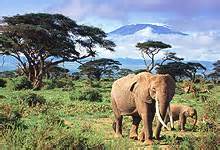
Boni used to be a dry season refuge for elephants, with large concentrations during the dry season. No elephants are thought to survive here today following years of wanton poaching.
Carnivores include the Vulnerable wild dog Lycaon pictus, spotted hyena crocuta, aardwolf Proteles cristata, leopard (Panthera pardus lion Panthera leo, cheetah Acynonix jubatus and black-backed jackal Canis mesomelas. Primates include the yellow baboon Papio cynocephalus and vervet monkey Cercopithecus pygerythrus.
Very little is known about birds with very few surveys done to date. As part of the East African coastal forest, the forest is likely to hold species characteristic of the East African Coast biome, possibly including globally threatened species such as Sokoke pipit. An expedition in the early 1970s recorded the restricted range Fischer’s turaco and four biome characteristic species: Mombasa woodpecker, Fischer’s greenbul, chestnut-fronted helmet-shrike and black-bellied starling in Boni.
Vegetation; The Boni forest, after which the reserve is named, is an indigenous open canopy forest and part of the Northern Zanzibar-Inhambane coastal forest mosaic. Harbouring densities of plant species that are among the highest in the world, the forest has been declared a biodiversity hotspot.
Boni National Reserve
Wildlife
Common herbivores in these reserves include hippopotamus Hippopotamus amphibious, bush pig Potamochoerus larvatus, warthog Phachocoerus africanus, buffalo Cyncerus caffer, common duiker Sylvicapra grimmia, topi Damaliscus lunatus topi and waterbuck Kobus ellipsiprymnus.

Boni National Reserve Contacts
Attraction Type: Wildlife, Scenery & Landscapes
Category: Birding Site, Animal Sanctuary, Forest
Region: Coast
City / Town: Lamu
Telephone: 254 20 600 0800 254 20 600 2345 254 20 237 9407
Email: reservations@kws.go.ke
Website: http://cca.kws.go.ke/BoniDodori.html
Entrance Fee: Yes
Why Visit
- Wildlife
- Scenery & Landscapes
- Photography
Unique for pristine coastal dry forest biodiversity, exceptional birdwatching, and rare endemic species in one of East Africa's last major coastal forest remnants.
What to See
Best Time to Visit – In Detail
Dry season (June-October, January-March) for better trail access and wildlife activity; wet periods enhance lush vegetation.
How to Get There
Location Details
Located in Lamu County, extreme northeastern Kenya, along the Kenya-Somalia border; part of the Boni-Lungi forest block, approximately 150 km northeast of Lamu town, accessible via rough tracks from Kiunga or Mangai.By Road
From Lamu or Kiunga via long rough dirt tracks; 4x4 vehicle essential due to remote and poor road conditions.
By Air
Charter flights to Lamu Island or Manda Airport, followed by boat and road transfer.
Primary Access: road
Road Condition: four_by_four
Entry Charges (Indicative)
Rates are indicative and subject to change. Please confirm via official sources (e.g., KWS eCitizen portal).
| Visitor Category | Age Group | Amount | Currency | Park Category | Notes |
|---|---|---|---|---|---|
| east_african_citizen | adult | 500 | KES | wilderness | — |
| kenya_resident | adult | 675 | KES | wilderness | — |
| non_resident | adult | 50 | USD | wilderness | — |
Connectivity, Safety & Health
- Connectivity: Very Limited – Minimal to no mobile coverage in this remote northeastern coastal region.
- Payments & Currency: M-Pesa, Credit / Debit Cards – Online payments via eCitizen/KWSPay strongly recommended; limited facilities in remote area.